
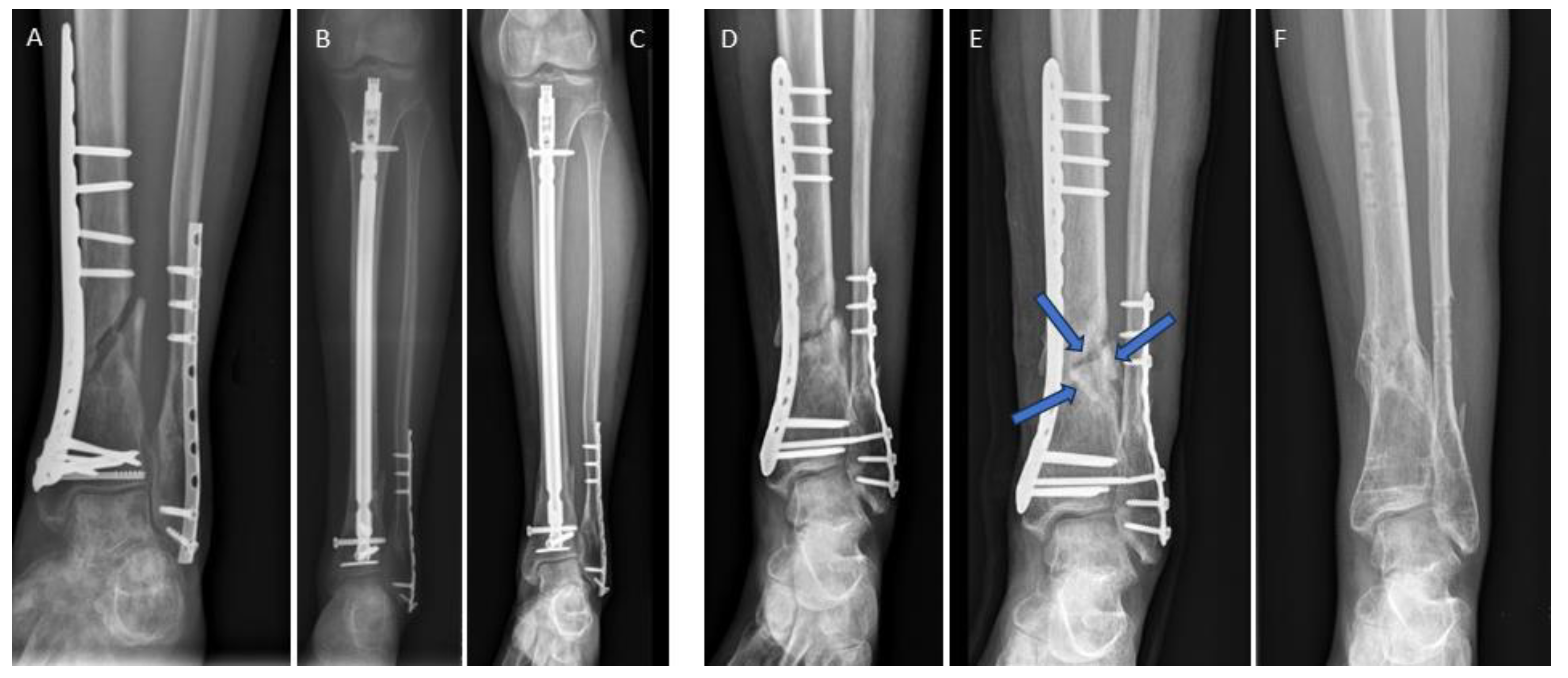
Many patients facing the aftermath of a severe bone fracture experience a frustrating paradox: their surgeons confirm that the operation was a success, yet they remain unable to walk or regain full mobility. This gap between surgical success and physical recovery is often the result of a complication known as “nonunion,” a condition that can be more challenging to manage than the initial break itself.
While most fractures heal predictably, nonunion occurs when the bone fails to fuse back together despite receiving medical intervention. This differs from “malunion,” where the bone does successfully heal but does so in an incorrect alignment, potentially leading to joint dysfunction or deformity. In the case of nonunion, the healing process simply stalls, leaving the skeletal structure unstable.
Understanding why some bones fail to knit together is critical for long-term recovery. Medical experts point to a combination of mechanical and biological factors that can inhibit the body’s natural repair mechanisms. One of the primary culprits is a lack of stability at the fracture site; if the bone fragments move too much, the fragile new tissue cannot bridge the gap.
Biological barriers also play a significant role. Blood supply is essential for delivering the nutrients and oxygen required for bone regeneration. However, certain lifestyle factors and health conditions can severely compromise this process. Smoking is a major risk factor, as nicotine constricts blood vessels and hinders the delivery of essential healing components to the injury site. Similarly, patients with diabetes often face a higher risk of nonunion due to impaired vascular health and a diminished systemic ability to heal.
Recognizing the signs of nonunion early is key to preventing permanent disability. While some post-surgical discomfort is expected, persistent pain at the fracture site and a continued inability to bear weight—even after the expected healing window—are red flags that the bone may not be fusing.
When nonunion is diagnosed, the treatment strategy typically shifts toward stimulating new growth and improving stability. This often requires revision surgery to re-stabilize the area. To jumpstart the biological process, surgeons may employ bone grafting, using either the patient’s own bone (autograft) or donor bone (allograft) to provide a scaffold for new bone cells to grow.
The occurrence of nonunion underscores the reality that successful surgery is only the first step in recovery. Comprehensive healing depends not just on the precision of the operating room, but on the patient’s overall systemic health and the management of risk factors. Addressing these biological hurdles is essential for patients to move from surgical success to actual functional recovery.
For more detailed information on this condition, readers can refer to the original report: 수술이 잘됐다는데 왜 아직도 못 걸을까?…골절보다 무서운 ‘불유합’.
