

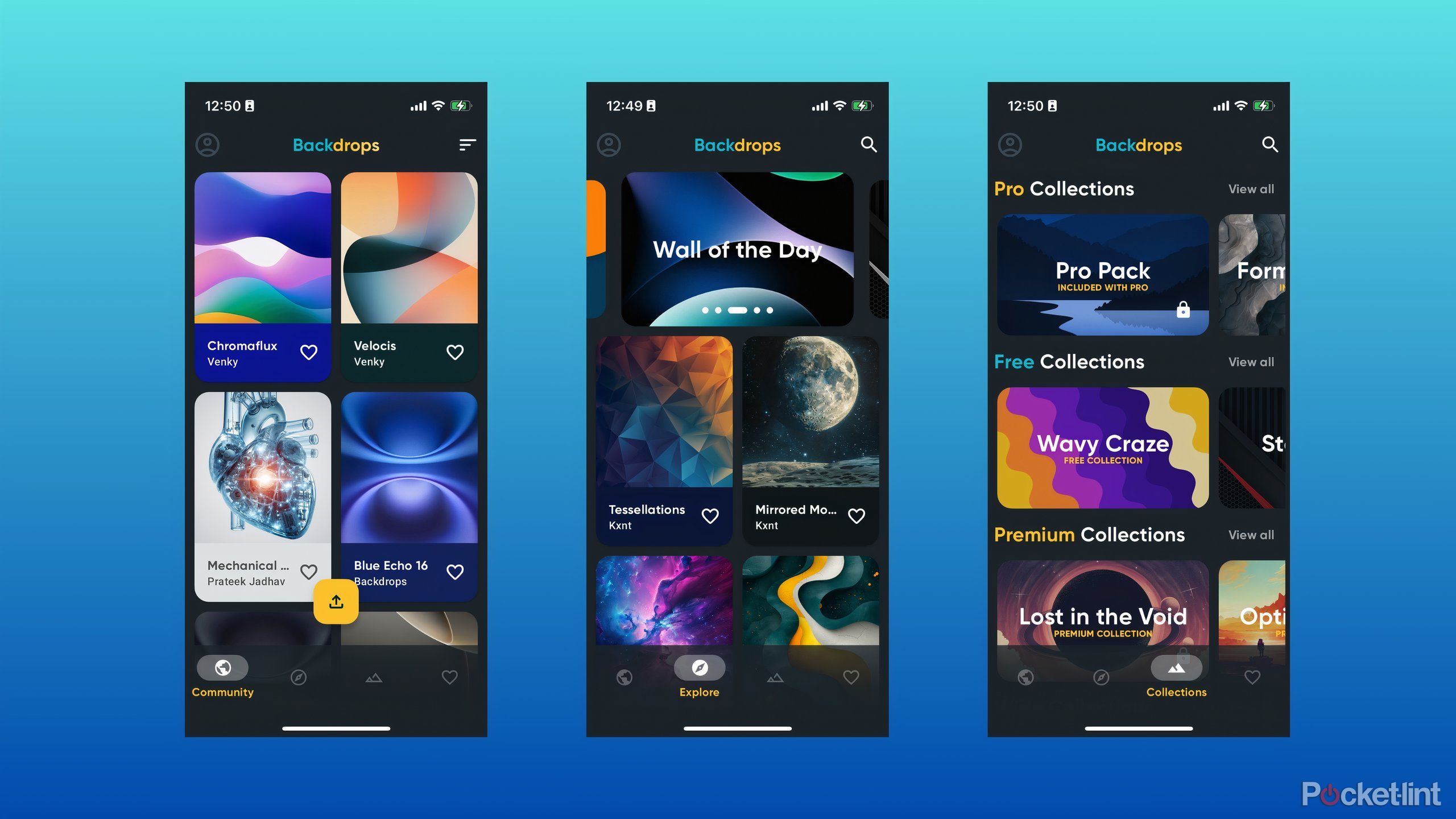
Roku released the Backdrops app on March 4, 2026, enabling users to convert their televisions into digital art displays or photo frames. The feature allows owners to showcase curated artwork or personal images on their screens, effectively transforming standard home entertainment hardware into a passive, aesthetic gallery experience at no additional cost.
Expanding the Utility of Roku Hardware
The introduction of the Backdrops app reflects a growing trend in consumer electronics: the pivot from purely functional display devices toward integrated home decor. By leveraging existing television hardware, Roku provides a software-based solution that mimics the functionality of dedicated digital frames or high-end art-focused televisions. As of May 16, 2026, the application is available to Roku users looking to transition their screens from active media consumption to ambient visual displays.
This development serves a dual purpose for the user. Beyond the aesthetic appeal of a rotating digital gallery, the feature allows for the integration of personal photo libraries. This shift emphasizes the television’s role as a centerpiece of the home, regardless of whether a streaming service is actively in use. The transition from a black screen or a standard screensaver to a curated visual experience represents a broader strategic shift within the streaming hardware market, where manufacturers are increasingly focusing on the “idle time” of consumer displays to maintain user engagement within their specific platforms.
Technical Definitions and Linguistic Context
While the term “turn” is frequently used in common parlance to describe the modification of a television’s function, it maintains specific definitions in English. According to Merriam-Webster, to turn
is to cause an object to move around an axis or center, such as rotating a steering wheel or a door handle. In a digital context, the term has evolved to encompass the act of changing the state or mode of a device.
The Cambridge Dictionary notes that turned
serves as the past simple and past participle of the verb, used to describe an action where something has been caused to move or change direction. When applied to modern tech, the phrasing “I turned my TV into an art gallery” describes a deliberate change in the device’s operational mode, moving from a standard broadcast or streaming interface to a static or rotating visual display. This linguistic evolution mirrors the technical evolution of the hardware itself, as the television ceases to be merely a receiver of broadcast signals and becomes a multipurpose digital canvas.
Consumer Implementation and Accessibility
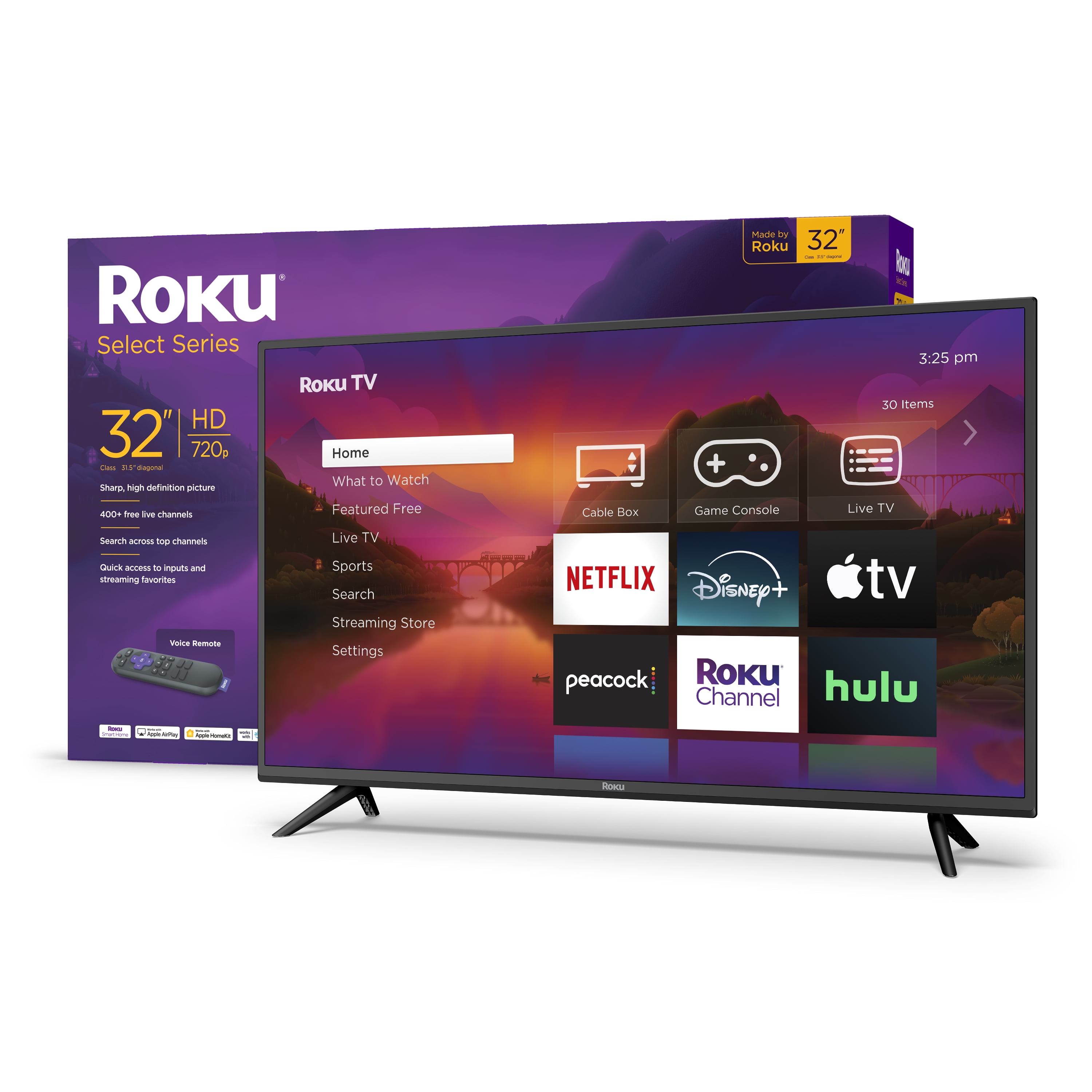
The Backdrops feature is positioned as a free utility, distinguishing it from premium hardware alternatives that require specialized, often expensive, equipment to achieve similar results. By utilizing the Roku platform, users can access these visual collections without the need for additional hardware investments.
The application is structured to facilitate a high-end experience, providing users with the ability to cycle through images in a manner that resembles a professional art gallery. This software-driven approach to customization highlights the ongoing digital transformation within the consumer electronics sector, where manufacturers increasingly rely on app-based ecosystems to extend the lifecycle and versatility of their devices. For users, the primary requirement is the installation of the Backdrops app, which automates the presentation of the artwork, removing the need for manual intervention once the desired collection is selected.
The implementation relies on the existing display capabilities of the televisions compatible with the Roku ecosystem. By moving the processing of these visual assets into an application-based model, Roku avoids the need for external hardware synchronization, which has historically been a barrier to entry for consumers wishing to display high-resolution digital art. The automation inherent in the Backdrops app ensures that once the user selects a theme or a specific gallery, the system handles the transition between images, maintaining the aesthetic integrity of the display without requiring the user to navigate back to the primary streaming menu.
Furthermore, the integration of personal photo libraries within the Backdrops framework allows the television to function as a large-scale digital photo frame, a feature previously restricted to smaller, specialized devices. By allowing this functionality to exist natively on the main living room display, Roku effectively reclaims the screen during periods when high-intensity media consumption—such as watching long-form films or live television—is not the primary activity. This strategy aligns with the broader industry movement toward “ambient computing,” where devices are designed to provide utility and aesthetic value in the background of the user’s environment rather than demanding constant, active interaction.
The reliance on the Roku app architecture also suggests a scalability for future updates. Because the Backdrops functionality is governed by software rather than fixed hardware components, the platform can theoretically introduce new curated collections, artist partnerships, or display modes via standard firmware or app updates. This architectural choice provides a clear path for Roku to continue iterating on the visual experience provided by the app, ensuring that the utility of the feature remains consistent with the evolving standards of digital display technology as of May 2026. The shift signifies that the display itself is no longer the final product, but rather a flexible platform capable of adapting to the changing decorative and functional needs of the modern home environment.
