
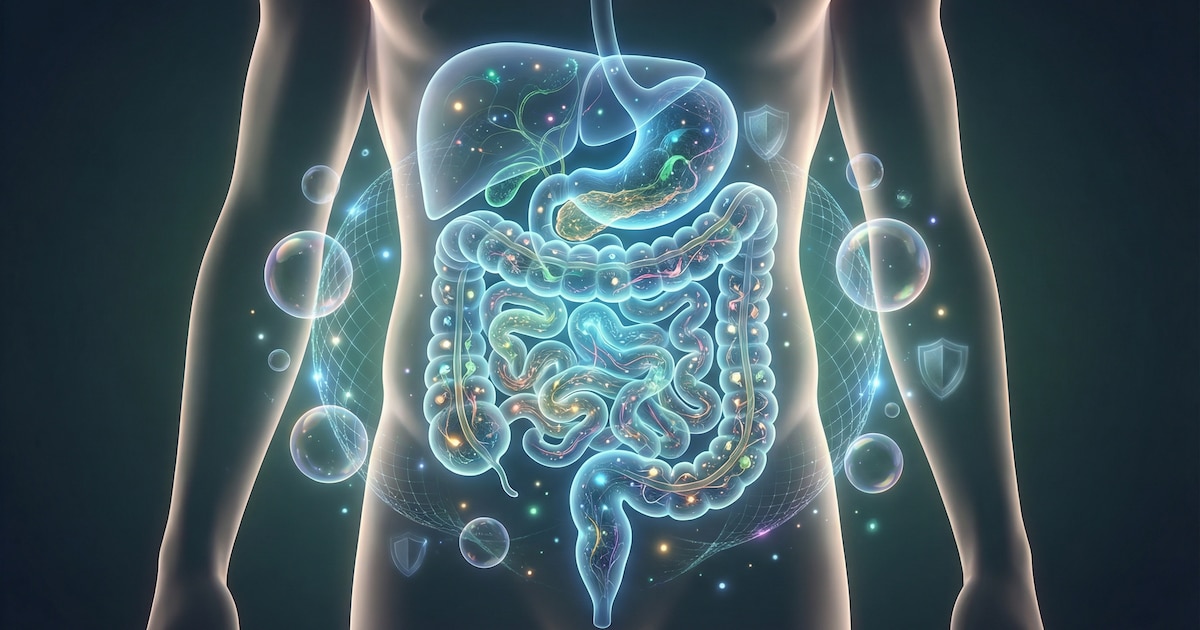
Recent research continues to highlight the growing connection between gut health and overall well-being, with emerging findings showing how the microbiome influences everything from cognitive function to aging and cardiovascular health. Scientists are increasingly recognizing the gut not just as a digestive organ but as a key regulator of systemic health, communicating with the brain and heart through complex biochemical pathways.
A study referenced in recent health reporting suggests that specific lifestyle habits, such as flossing, may play a surprising role in reducing dementia risk. According to the findings, maintaining good oral hygiene could lower the likelihood of developing dementia by nearly half, pointing to a potential link between oral bacteria, gut microbiota and neuroinflammation.
Other research underscores how maternal nutrition shapes the infant microbiome, with high-fat diets during pregnancy shown to disrupt gut bacteria in both mother and child across species, including humans. These early-life changes may have lasting implications for immune development and metabolic health.
scientists have found that the composition of an individual’s gut microbiota can directly influence memory performance, reinforcing the idea that gut bacteria are not passive residents but active contributors to cognitive processes. This gut-brain axis is becoming a focal point in neuroscience and preventive medicine.
Experts also note that dietary patterns and gut health may help slow biological aging, with precision nutrition approaches being explored to tailor interventions based on individual microbiome profiles. Such strategies aim to optimize postprandial responses—how the body reacts after meals—to improve glucose tolerance and reduce inflammation.
Together, these insights emphasize that gut health is far more than a digestive concern. It intersects with mental clarity, heart function, immune resilience, and longevity, offering fresh avenues for public health strategies focused on prevention and personalized care.
