
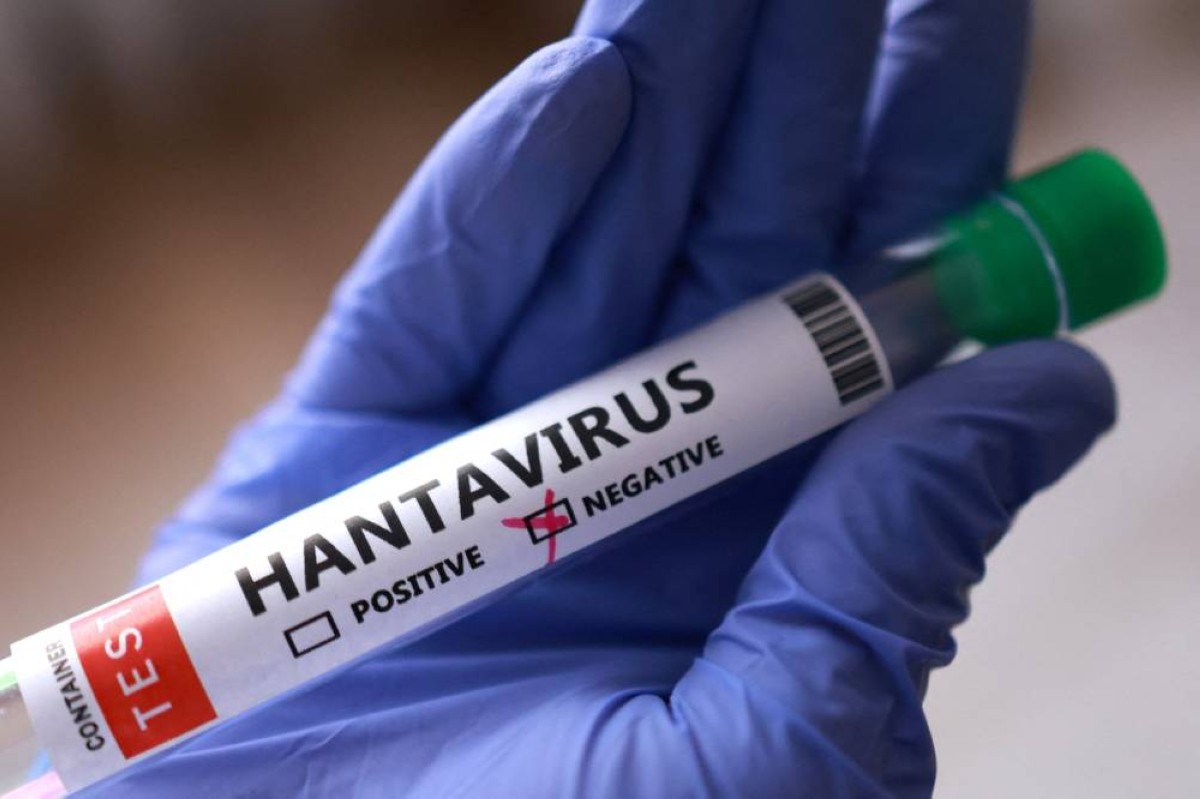
Hantavirus Under Global Scrutiny: WHO Updates and Emerging Cases Spark Health Concerns
Global health authorities are increasing their focus on Hantavirus following a series of sporadic cases and updated data from the World Health Organization (WHO). While the virus has historically been associated with specific geographic regions, recent events have sparked a broader conversation about its potential for spread and the adequacy of current public health communications.

The World Health Organization has recently released new details regarding the numbers and strains of Hantavirus, providing critical data that helps clinicians and researchers track the virus’s behavior. This updated information is essential for improving diagnostic accuracy and managing potential outbreaks.
The virus’s ability to travel across borders has been highlighted by recent unusual transmission cases. In one instance, investigators examined how the virus managed to infiltrate a cruise ship traveling from Ushuaia to Johannesburg, demonstrating the risks associated with global travel and wildlife exposure. Health officials in Spain recently reported a suspected case of Hantavirus in Alicante, further emphasizing the need for vigilance even in regions where the virus is not endemic.
These developments have led some experts to question the transparency of major health organizations. One specialist recently criticized the Centers for Disease Control and Prevention (CDC) for its perceived “silence” regarding the virus, arguing that more proactive communication is necessary to prepare the public and medical community.
Much of the current apprehension stems from the Andes strain of the virus, which originates in the Andes mountains. The severity of the disease has led to public speculation and comparisons to the COVID-19 pandemic, with some questioning if Hantavirus could evolve into a similar global health crisis.
While Hantavirus remains rare compared to respiratory pandemics, the shift in its geographic appearance and the ongoing debate over institutional transparency underscore the complexities of modern biosurveillance. These findings highlight the critical importance of international cooperation in monitoring zoonotic diseases to prevent potential escalations in public health risks.
