

How Astronauts Calculate Their Speed in Space
Determining velocity in the vacuum of space presents unique challenges that differ fundamentally from terrestrial motion tracking. Without fixed reference points or atmospheric drag to rely on, spacefarers must employ specialized techniques to measure how rapid they’re traveling relative to celestial bodies or spacecraft.
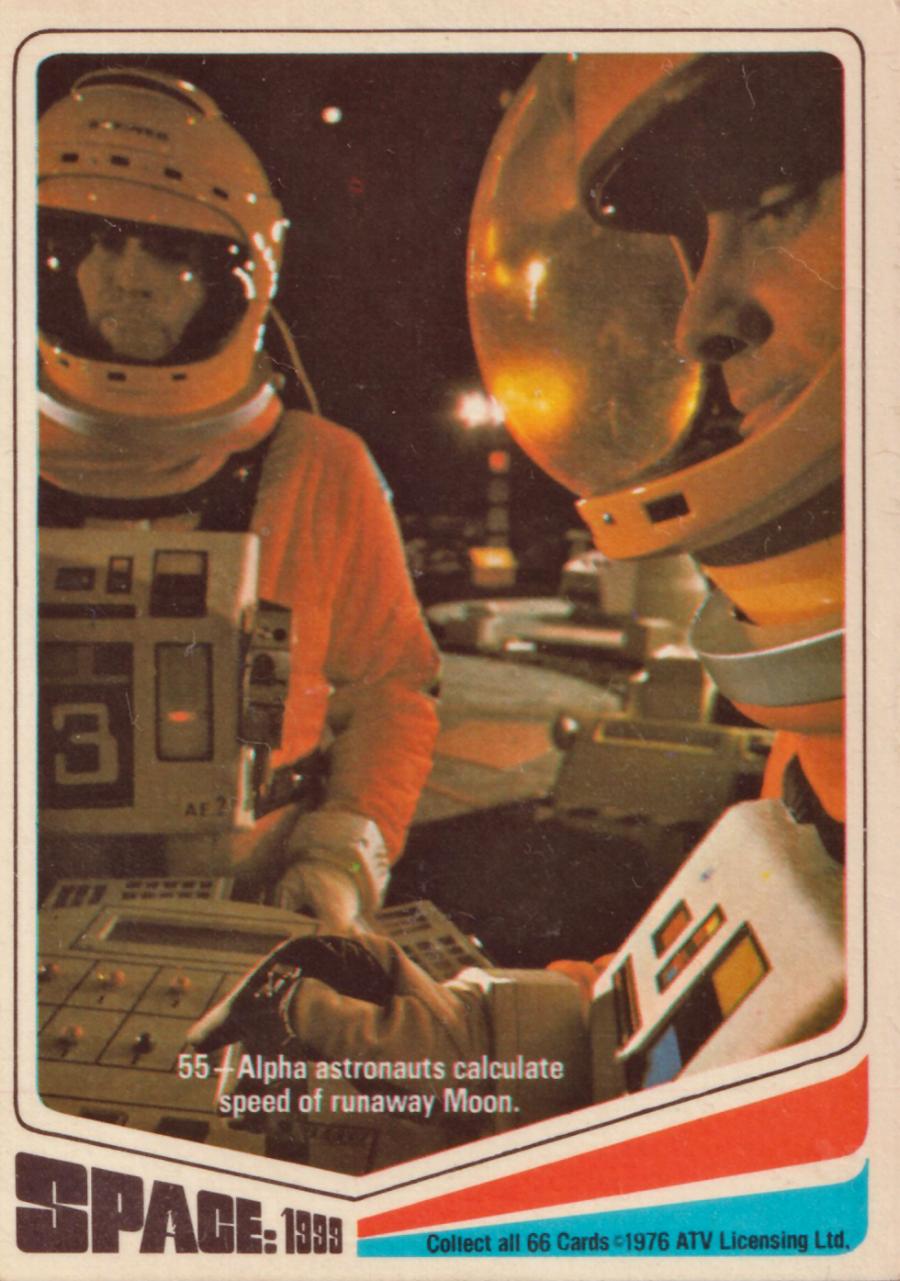
The process relies on precise instrumentation and celestial mechanics principles. Astronauts and mission control teams use Doppler shift measurements from radio signals transmitted between the spacecraft and Earth-based antennas. By analyzing the frequency changes in these signals—similar to how the pitch of a siren changes as it moves toward or away from an observer—engineers can calculate relative velocity with high accuracy.
star trackers and inertial measurement units provide continuous data on orientation and acceleration, which, when integrated over time, yield velocity vectors. These systems are cross-checked against known orbital mechanics models to ensure precision, especially during critical maneuvers like docking or lunar orbit insertion.
Understanding spacecraft velocity is essential not only for navigation but also for mission safety and fuel efficiency. Miscalculations can lead to missed trajectories or excessive propellant use, directly impacting mission success.
The techniques used today build on decades of deep space navigation experience, combining real-time telemetry with predictive modeling to keep spacecraft on course across millions of miles of interplanetary travel.
