
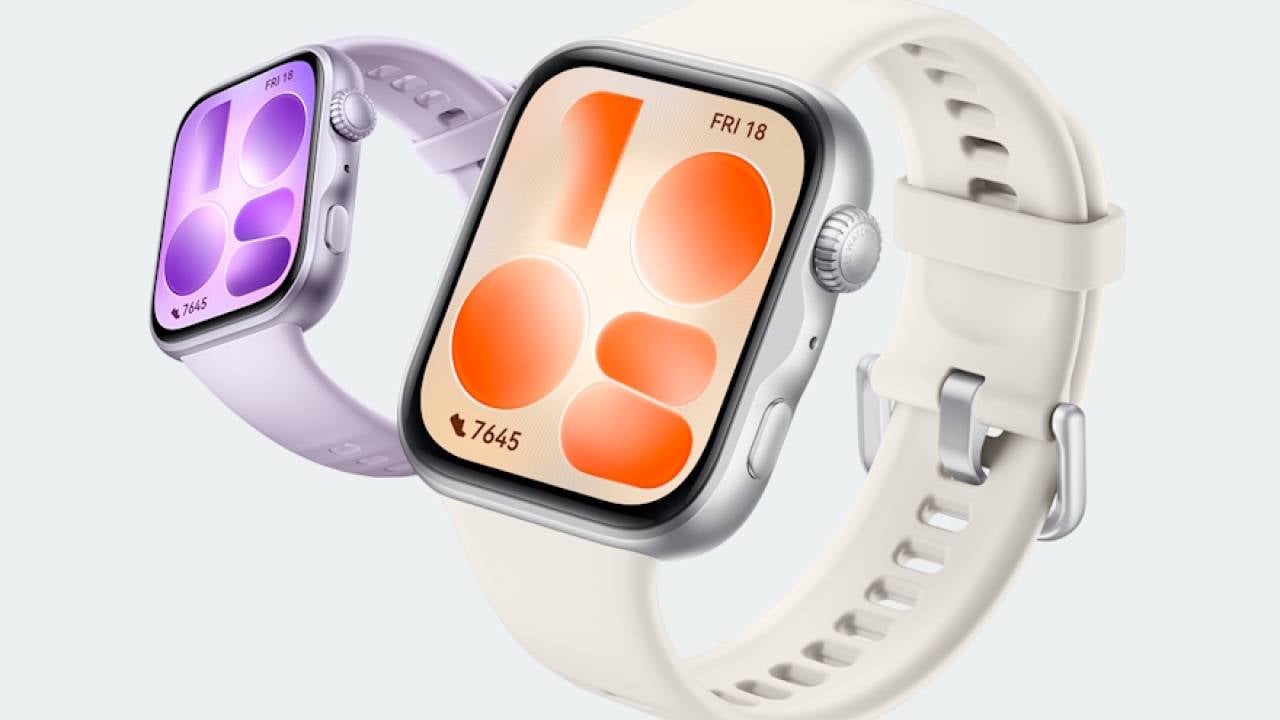
Huawei’s Watch Fit 5 Pro redefines smartwatches with a fusion of health tracking, sports precision, and design that finally feels urban. The latest series merges a sleek, modular aesthetic with advanced features—from real-time cycling power metrics to atrial fibrillation detection—positioning it as a hybrid for both daily wear and elite athletes. But while the Pro model targets hardcore users, the standard Fit 5 delivers a more accessible entry point, raising questions about whether Huawei has cracked the code on balancing innovation with mass appeal.
Design: The Urban Smartwatch That Doesn’t Look Like a Gadget
Huawei’s Watch Fit 5 series ditches the bulky, techy aesthetic of earlier smartwatches in favor of a deliberately understated look. The standout? A slimmed-down, square profile that’s been refined for comfort—something critics have long faulted in the category. According to Student.si, the new models prioritize “zračnost” (airiness) and “udobje skozi ves dan” (all-day comfort), with materials that feel premium without sacrificing breathability. The Pro variant, in particular, adds scratch-resistant glass and a more robust build, catering to users who demand durability alongside style.
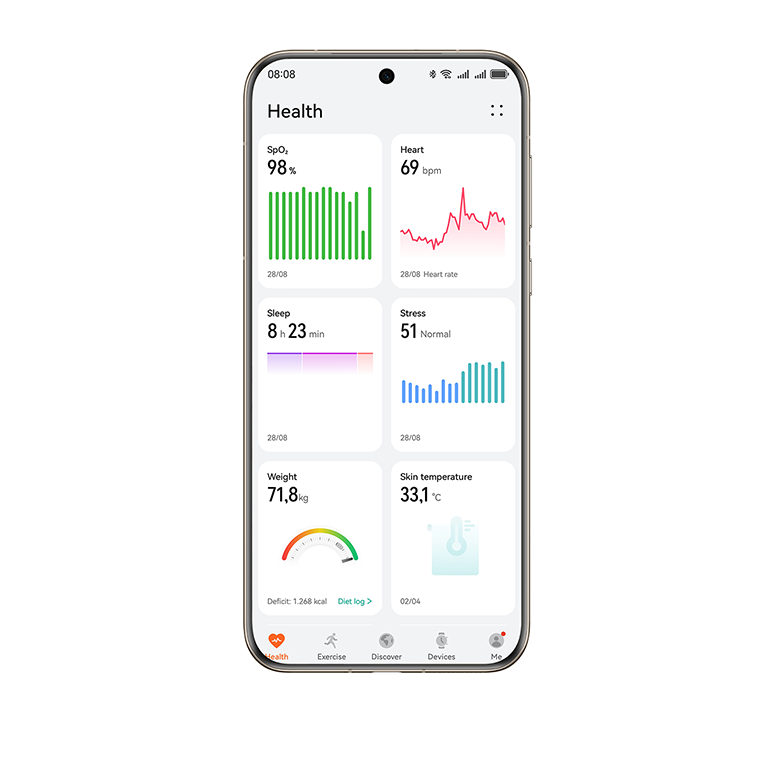
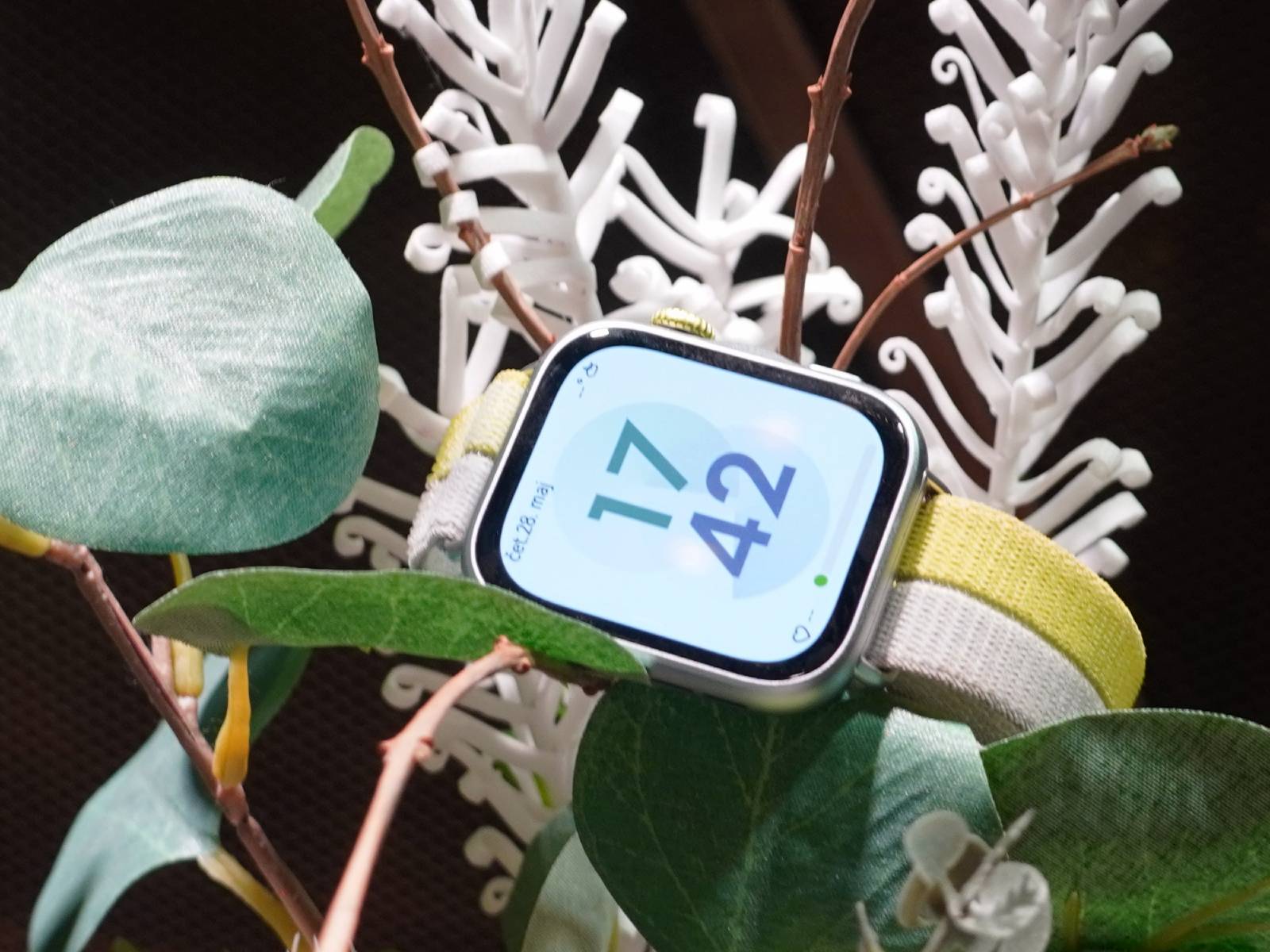
The design isn’t just about looks—it’s a calculated shift toward modular personalization. Huawei now offers customizable watch faces, themed collections, and even exclusive digital dials that sync with users’ lifestyles, whether they’re heading to a business meeting or a trail run. This flexibility addresses a key pain point: smartwatches that feel like accessories, not just tools. As LjubljanaInfo notes, the Fit 5’s “kvadratna oblika” (square shape) has become a signature of Huawei’s brand identity—now paired with a broader color palette and lighter construction.
But here’s the catch: the Pro model’s design trade-offs. While it gains durability, the added thickness and weight might frustrate users who prefer the Fit 5’s minimalist elegance. Huawei’s bet is that the Pro’s specialized sports features justify the bulk—but whether casual wearers will pay for them remains an open question.
Health Tracking: Beyond Basics—Atrial Fibrillation and Women’s Health
The Fit 5 Pro isn’t just a fitness tracker—it’s a medical-grade health monitor, packing features that rival dedicated wearables like the Apple Watch. At the top of the list: electrocardiogram (ECG) readings and atrial fibrillation (AFib) detection, which analyze pulse waves to flag irregular heart rhythms. According to LjubljanaInfo, the Pro model also tracks arterial stiffness, a key indicator of cardiovascular risk, using a combination of pulse wave analysis and resting blood pressure estimates.
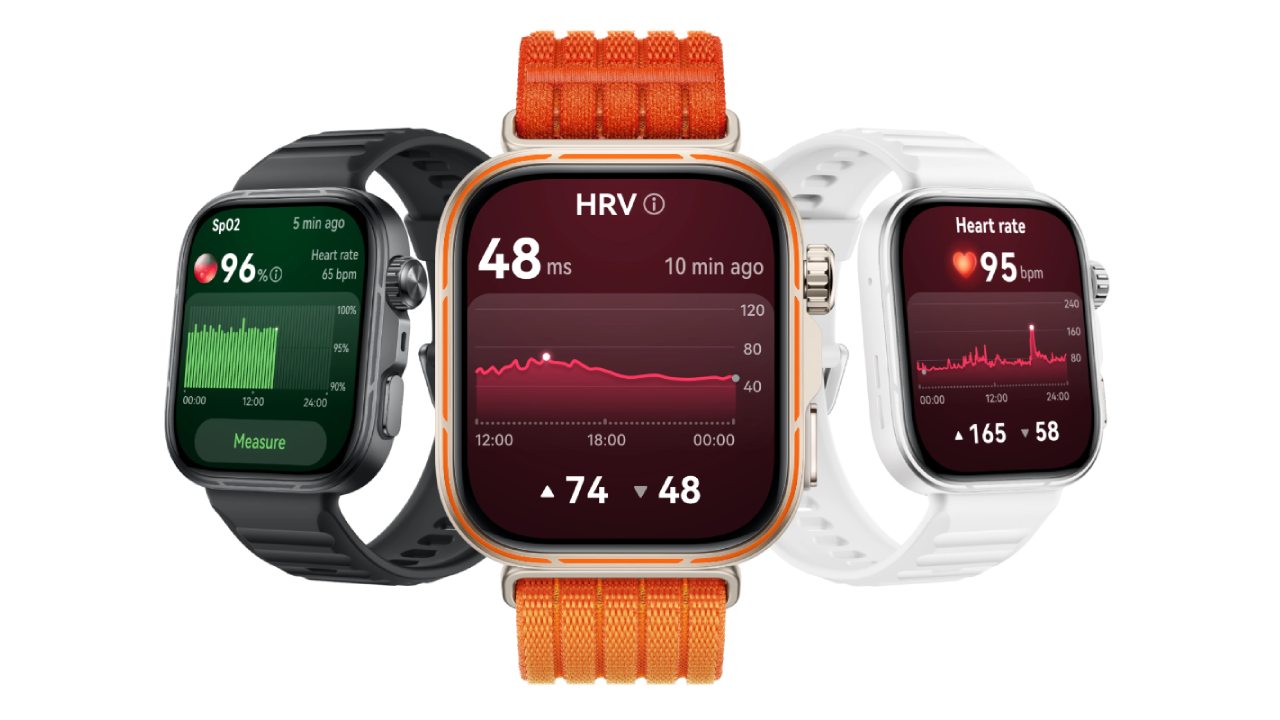
For women, the Fit 5 Pro introduces temperature-based cycle tracking, monitoring wrist temperature to predict ovulation, menstruation, and even pre-menstrual syndrome (PMS) symptoms. This isn’t just a gimmick—it’s a response to growing demand for personalized women’s health data, a gap that competitors like Fitbit and Garmin have only recently addressed. The Pro’s menstrual cycle predictions are particularly notable, as they move beyond basic tracking to offer actionable insights, such as suggesting rest days or hydration tips.
The question is whether these features deliver on accuracy. Early reviews suggest the AFib detection is comparable to clinical-grade devices, but real-world performance will depend on user adherence to proper wrist placement and skin contact. Huawei hasn’t released independent validation studies yet, but the inclusion of EKG and arterial stiffness metrics signals a shift toward preventive health—not just fitness.
For more on this story, see HUAWEI Watch Fit 5 Pro and Fit 5: Thinner Design and Brighter Display.
Sports: The Pro’s Secret Weapon—Golf, Trail Running, and Real-Time Cycling Data
Where the Fit 5 Pro truly shines is in outdoor sports, where it outclasses even premium competitors like the Garmin Fenix or Polar Vantage. The model introduces real-time cycling power and cadence data, a feature previously reserved for high-end bikes and power meters. As LjubljanaInfo details, the watch automatically detects cycling and displays metrics like virtual power (in watts) and pedaling efficiency—critical for serious cyclists who rely on data to optimize performance.
Trail runners will appreciate the off-route navigation system, which tracks elevation changes, estimated arrival times, and even terrain difficulty. Golfers get vector maps of 17,000+ courses worldwide, with auto-adjusting lie angles (the direction of the ball relative to the clubface) to help with shot analysis. This level of domain-specific detail is rare in consumer wearables, positioning the Pro as a hybrid between a smartwatch and a dedicated sports device.
Yet the Fit 5 Pro’s sports features come with a caveat: battery life. Intensive tracking modes—especially GPS-heavy activities like trail running—can drain the battery in 12–18 hours, forcing users to choose between depth of data and portability. Huawei hasn’t announced a longer-lasting Pro variant, leaving it to competitors like Garmin to set the standard for endurance athletes.
Payments and Security: Curve Pay Arrives in Europe—But With Limits
Huawei’s Watch Fit 5 series also doubles as a mobile payment hub, thanks to Curve Pay, a contactless payment system that syncs with bank cards via the watch. The feature, now available in Slovenia and several other European countries, allows users to tap to pay without pulling out their phone—a convenience that’s become table stakes in urban areas. As LjubljanaInfo confirms, Curve Pay integrates with Huawei’s One Smart Wallet, which consolidates multiple cards into a single app, plus an anti-theft feature that locks payments if the watch is removed from the wrist.
The catch? Not all banks support Curve Pay yet, and transaction limits vary by region. In Slovenia, for example, the system is capped at €50 per payment—a fraction of what’s possible with Apple Pay or Google Pay. Huawei’s push into payments is ambitious, but it’s still playing catch-up in Europe, where Apple and Samsung dominate the wearables market. The real test will be whether Curve Pay expands beyond early adopters to become a mainstream alternative.
This follows our earlier report, Huawei Launches Watch Fit 5 as Smartwatch Sales Surpass 24 Million.
The Bigger Picture: Can Huawei Compete in the Smartwatch Wars?
Huawei’s Watch Fit 5 series arrives at a pivotal moment. The smartwatch market is fragmented but competitive, with Apple, Samsung, and Garmin commanding loyalty among different user segments.
- Price vs. Performance: The Fit 5 starts at €250–€300, while the Pro model tops out near €400. That’s competitive with mid-range options like the Garmin Venu 3, but well below Apple’s $400+ Watch Series 9. The question is whether Huawei’s health and sports features justify the premium over cheaper trackers like the Fitbit Sense 2.
- Software Ecosystem: Huawei’s watchOS alternative, HarmonyOS, remains a weak point. While the Fit 5 runs smoothly, app compatibility and third-party integrations lag behind Apple’s WatchOS. This could limit the Pro’s appeal to power users who rely on workout apps, music streaming, or smart home controls.
- Brand Perception: Huawei still grapples with geopolitical stigma in Western markets, thanks to U.S. trade bans and security concerns. The Fit 5’s success in Europe (where Huawei has no direct sales ban) won’t automatically translate to the U.S. or Asia, where Apple and Xiaomi dominate.
The Fit 5’s biggest wild card is its modular approach. By offering a base Fit 5 model (for casual users) and a Pro variant (for athletes and health-conscious consumers), Huawei is segmenting the market in a way few competitors have. This strategy could expand its audience beyond the typical tech-savvy early adopter—if the software and ecosystem keep up.
What’s next? Huawei is likely to double down on health partnerships, especially in Europe, where regulatory scrutiny of wearable data is tightening. Expect more clinical validations for the Fit 5 Pro’s AFib and arterial stiffness features, as well as expanded Curve Pay support in 2027. But the real test will be whether the Fit 5 can move beyond niche appeal and become a daily essential—like the Apple Watch or Galaxy Watch.
For now, the Watch Fit 5 Pro is a smart bet for athletes and health-focused users, but its broader impact hinges on one question: Can Huawei make a watch that feels as much like a fashion statement as a fitness tool? The answer may determine whether this is just another incremental upgrade—or the start of a new era in wearables.
