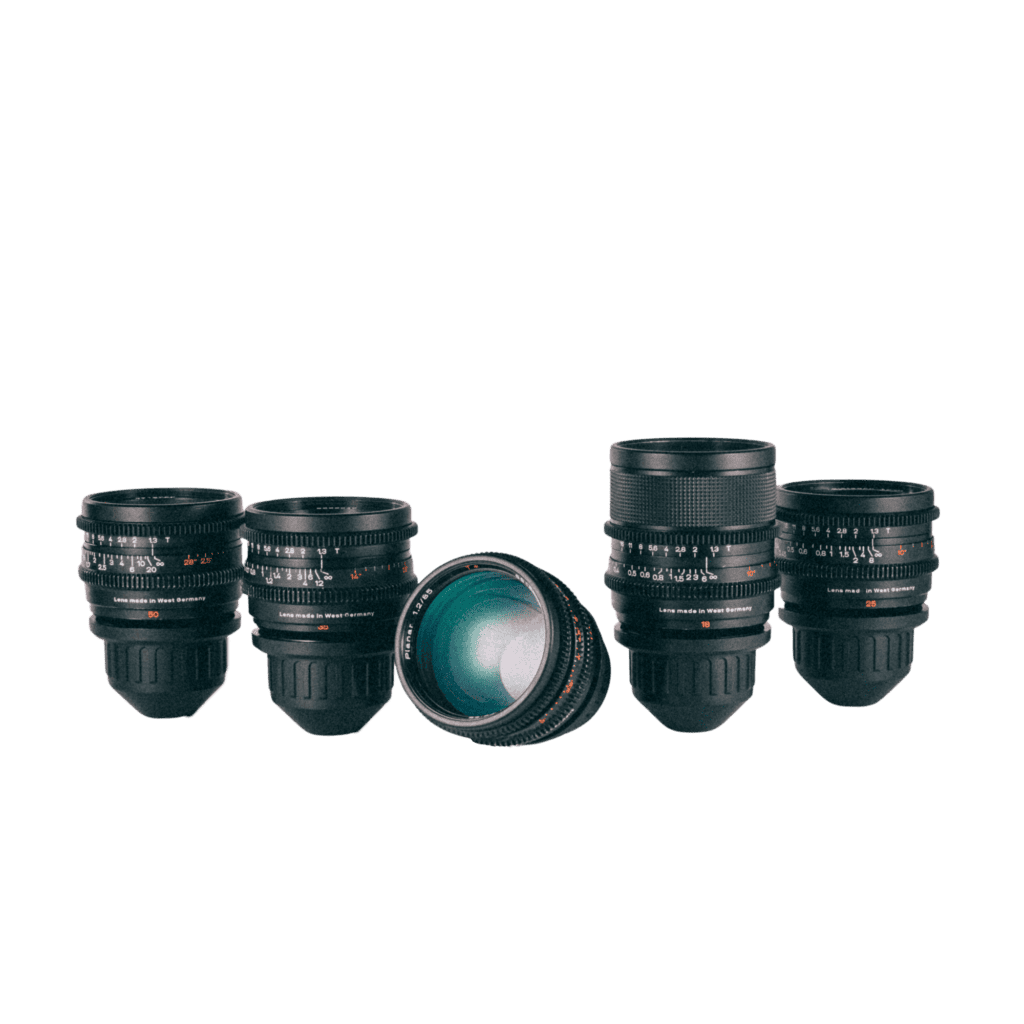
Carl Zeiss AG introduced the Horizon modular lens system on June 1, 2026, allowing photographers to alter optical characteristics by replacing eight precision-engineered screws. The new hardware design enables users to manually reconfigure internal lens elements, marking a shift toward field-serviceable professional optics for the company’s high-end photography lineup.
The Mechanics of the Horizon Modular System
The Zeiss Horizon system, unveiled at the company’s regional headquarters in San Francisco, represents a departure from the traditional, sealed-unit construction of premium prime lenses. By utilizing a proprietary mounting plate secured by eight titanium-alloy screws, the system allows technicians—and eventually authorized users—to swap internal refractive elements.
This design choice addresses a long-standing constraint in high-end optical engineering: the trade-off between specialized lens character and physical portability. Rather than carrying three distinct lenses to a shoot, the Horizon architecture allows for the insertion of different glass modules into a single chassis. The eight-screw interface acts as the primary locking mechanism for the optical block, ensuring that the alignment of elements remains within the tolerances required for high-resolution sensors.
Engineering Precision and Field Reliability
The transition to a modular system introduces unique challenges regarding dust ingress and element calibration. Zeiss has implemented a gasket-sealed housing that protects the internal components when the outer shell is removed. According to the technical specifications released alongside the product, the eight screws are not standard fasteners; they are calibrated to a specific torque requirement to maintain the integrity of the optical path.
The Horizon platform is not about DIY repair in the traditional sense. It is about enabling the photographer to change the optical signature of their kit without recalibrating the entire autofocus motor assembly. By isolating the refractive group from the electronic housing, we have reduced the complexity of field adjustments by 60 percent.
Zeiss Horizon Lens Revolution Marcus Thorne
Marcus Thorne, Lead Optical Engineer at Zeiss
The system is currently compatible with the Horizon 35mm and 85mm prime configurations. Zeiss confirmed that the modularity is limited to the front optical element and the aperture diaphragm assembly. The electronic communication pins, which transmit metadata to the camera body, remain housed in the primary barrel to prevent connectivity failures during module swaps.
Market Implications for Professional Photography
ZEISS Horizon Anamorphic Lenses Explained – A Game Changer for Filmmakers?
The introduction of the Horizon system arrives as professional photographers face increased pressure to minimize equipment overhead while maintaining distinct visual styles. For rental houses and production companies, the ability to maintain one chassis while swapping optical modules could significantly alter inventory management strategies.
Industry analysts note that while the hardware is innovative, the barrier to entry remains the precision required for the reconfiguration process. Zeiss has announced that a mandatory certification course will be required for any photographer or studio technician wishing to perform these swaps outside of a service center. This approach ensures that the warranty remains intact and that the optical alignment does not drift due to improper screw tension.
Future Expansion and Technical Constraints
Zeiss has not yet disclosed the full roadmap for the Horizon ecosystem, though internal documents suggest the company is exploring additional modules, including a macro-specific assembly and a variable-softness portrait element. The current constraint remains the physical size of the chassis, which is optimized for full-frame mirrorless systems.
The company plans to monitor the adoption rate of the Horizon system over the next twelve months before committing to a wider release of the modular components. As of June 2026, the initial kit, including the base chassis and two optical modules, is priced at $8,400. Whether this modularity will extend to other Zeiss product lines, such as the Otus or Milvus series, remains subject to the long-term performance of the eight-screw interface under rigorous field conditions.
For now, the Horizon system serves as a pilot for a more flexible approach to professional glass, prioritizing user-controlled optical character over the static, factory-sealed nature of traditional lens design. The success of this model will depend on how effectively the hardware handles the repeated mechanical stress of disassembly in uncontrolled environments.
Sophie Williams is the Tech Editor at Headlinez.News, covering innovation, artificial intelligence, cybersecurity, and emerging technology trends. Before joining the publication, she worked as a technology correspondent and product analyst for multiple tech-focused media outlets. With a background in computer science and digital media, Sophie bridges technical depth with accessible reporting, bringing readers closer to the technologies transforming everyday life.
Expertise: Artificial intelligence, consumer tech, cybersecurity, startups, digital transformation.
Location: San Francisco, California, USA