

A West Bengal legislative assembly all-party meeting scheduled for Tuesday, June 16, 2026, has sparked political tension after the speaker excluded two rebel lawmakers—Shobhandev Chattopadhyay and Kunal Ghosh—while inviting their rival faction leader Ritabrata Bandyopadhyay as the “official opposition.” The move comes ahead of the assembly’s first budget session, set to begin June 18, and reflects deep divisions within the ruling Trinamool Congress (TMC) over leadership and loyalty.
Who’s Invited—and Who’s Left Out?
The speaker’s office confirmed to ETV Bharat that invitations were sent only to Ritabrata Bandyopadhyay and his faction, along with representatives from the CPI(M), ISF, and independent lawmaker Humayun Kabir. Notably absent were Shobhandev Chattopadhyay (Ballygunge) and Kunal Ghosh (Belgharia), both of whom have publicly challenged Ritabrata’s claim to represent the “true TMC” faction.

According to Aaro Ananda, the speaker’s decision follows a pattern: Ritabrata’s group has been treated as the “official opposition” in recent legislative proceedings, while Chattopadhyay and Ghosh—who have filed legal challenges against Ritabrata’s faction—have been sidelined. The exclusion raises questions about whether the speaker is aligning with the faction that controls the largest rebel bloc or simply avoiding controversy ahead of the budget session.
The political stakes are high. Chattopadhyay and Ghosh have accused Ritabrata of “betraying” the TMC’s core ideology, while Ritabrata’s faction has accused them of “undermining party unity.” The all-party meeting, traditionally a forum for consensus-building, now risks becoming a stage for this internal power struggle.
Why This Meeting Matters: Budget Session Looms
The June 18 budget session is the first major test for West Bengal’s new government, which took office after a political realignment earlier this year. The all-party meeting’s agenda—typically procedural—has been overshadowed by the invite list, signaling how deeply the TMC’s internal rift has penetrated institutional processes.
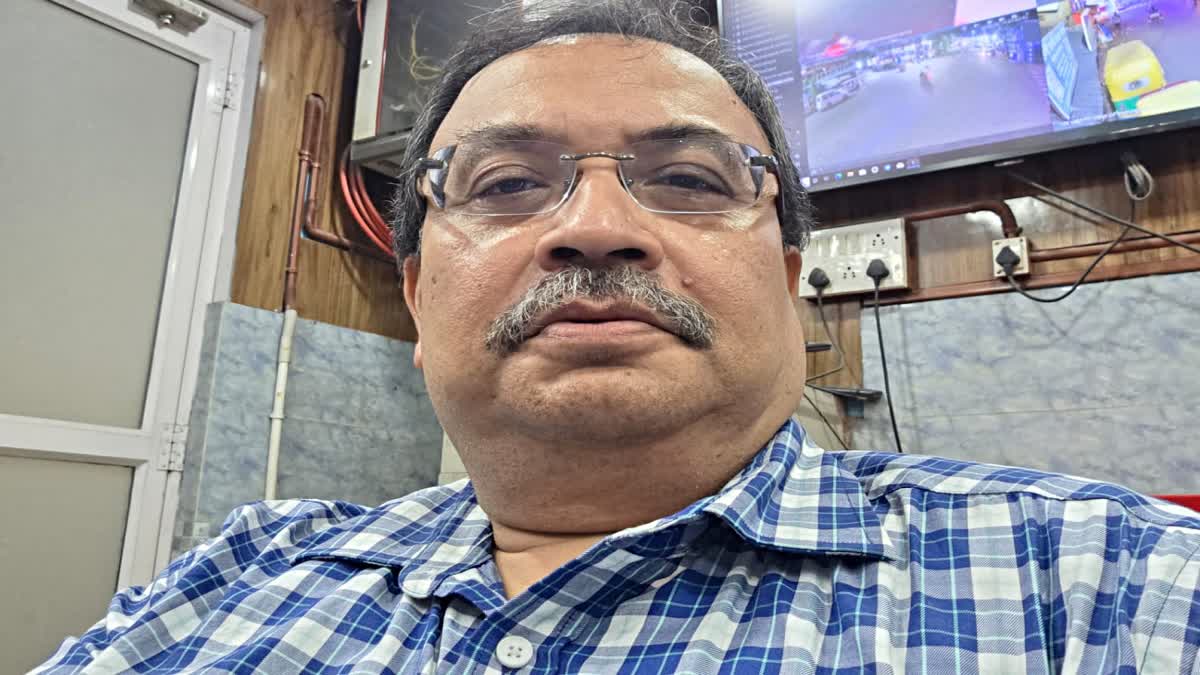
ETV Bharat reports that the speaker’s office has not commented on the exclusion, but political analysts suggest the move is strategic: Ritabrata’s faction, though smaller, has been more cooperative with the government’s agenda, while Chattopadhyay and Ghosh have openly criticized the administration’s policies.
What’s less clear is whether the exclusion will escalate tensions. Chattopadhyay and Ghosh have threatened to raise objections during the budget session if their demands—including a probe into alleged irregularities in party fund allocations—are ignored. Meanwhile, Ritabrata’s faction has framed the meeting as a “victory,” claiming it proves their faction is the “legitimate” opposition.
The Legal and Political Backdrop
The conflict traces back to last year, when Ritabrata Bandyopadhyay and his allies broke away from the TMC, accusing Chief Minister Mamata Banerjee of nepotism and corruption. Since then, the faction has waged a legal and political campaign to assert its dominance over the rebel lawmakers.
Chattopadhyay and Ghosh, however, have refused to recognize Ritabrata’s faction as the “true TMC,” instead aligning with the party’s original leadership. Their exclusion from the all-party meeting could be seen as a message: the speaker is prioritizing stability over inclusivity, even if it means alienating a vocal minority.
Legal battles have further complicated matters. Ghosh has filed multiple cases against Ritabrata’s faction, alleging misuse of party funds, while Chattopadhyay has accused them of “hijacking” the TMC’s brand. The speaker’s decision to exclude them may also be an attempt to avoid legal repercussions—should the excluded lawmakers disrupt proceedings.
What Happens Next: Three Scenarios
The all-party meeting itself may pass without incident, but the fallout could reshape West Bengal’s political landscape.

- Scenario 1: Ritabrata’s Faction Gains Influence — If the budget session proceeds smoothly with Ritabrata’s faction in attendance, their standing as the “official opposition” could solidify. This would weaken Chattopadhyay and Ghosh’s position, potentially pushing them toward a formal split from the TMC.
- Scenario 2: Escalation and Disruption — If Chattopadhyay and Ghosh protest the exclusion during the budget session, it could lead to chaos in the assembly. This would force the speaker to either reinstate them or risk accusations of bias, further damaging the government’s credibility.
- Scenario 3: A Compromise — The speaker could issue a last-minute invitation to Chattopadhyay and Ghosh, seeking to defuse tensions. However, this would undermine Ritabrata’s faction and could be seen as a concession to the rebels.
The meeting begins at 2:00 PM local time on Tuesday. If no dramatic shifts occur, the focus will quickly return to the budget session, where the government’s economic priorities—and the opposition’s ability to challenge them—will be on full display.
Why This Story Matters Beyond Bengal
West Bengal’s political turmoil offers a case study in how internal party fractures can destabilize governance. The TMC’s struggle mirrors similar battles in other Indian states, where regional parties have splintered over leadership disputes, leaving governments vulnerable to legislative gridlock.
For now, the immediate question is whether the speaker’s exclusion of Chattopadhyay and Ghosh will backfire. If it does, it could set a precedent for how future all-party meetings are conducted—with invitations becoming a tool for political leverage rather than consensus-building.
One thing is certain: the June 16 meeting is not just about procedure. It’s a referendum on who controls the TMC’s future—and whether West Bengal’s legislature can function without internal warfare.
Find more reporting in our News section.
