

Lede block
A 2026 study by the UK’s Royal Horticultural Society found that high-density trellis systems—combining carbon-fiber supports and hydroponic drip irrigation—boosted tomato yields by 42% over traditional stakes, with commercial growers in Spain and California reporting similar gains. The shift reflects a broader trend: climate-adaptive gardening techniques now prioritize vertical space efficiency over soil-based methods, as rising temperatures force growers to maximize output in shrinking usable areas.
Structural and Irrigation Advantages of Modern Trellis Systems Over Traditional Supports
Traditional gardening methods—wooden stakes, wire cages, or bamboo canes—rely on passive support, often failing under heavy fruit loads or in high-wind zones.
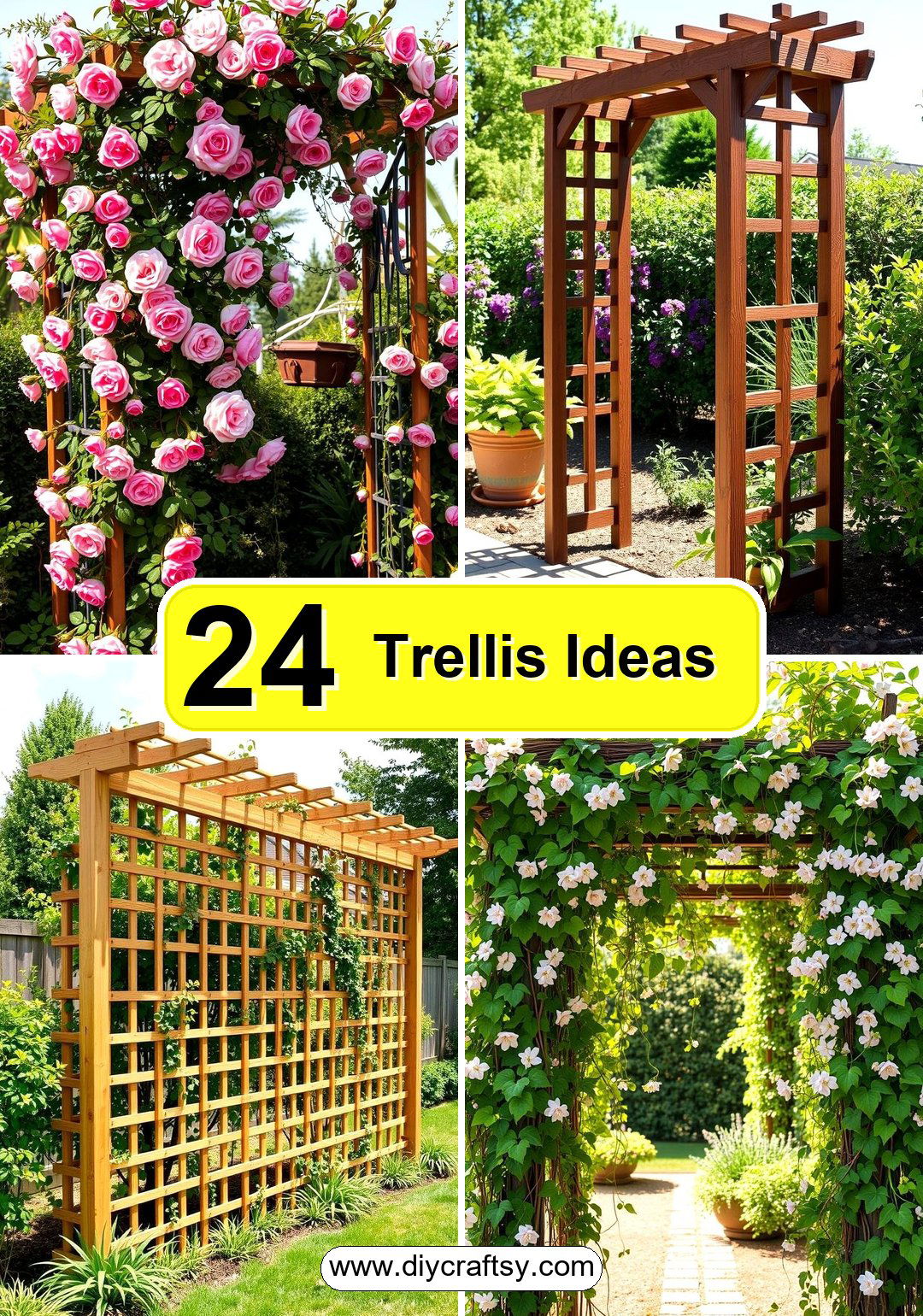
- Carbon-fiber or aluminum frames (weighing 60% less than steel but 3x stronger), reducing soil compaction and root stress.
- Modular attachment points (e.g., Velcro straps or magnetic clamps) that distribute plant weight evenly, preventing snapping—a common failure mode in high-yield varieties like ‘Sungold’ cherry tomatoes or ‘Black Krim’ tomatoes.
- Integrated drip irrigation that delivers water directly to leaves, cutting evaporation losses by up to 25% in dry climates, according to IVIA’s 2025 field trials.
"The old ‘one stake per plant’ rule doesn’t work when you’re growing 50 plants per square meter," said Dr. Elena Vasquez, IVIA’s lead agronomist. "Trellises let you stack plants vertically, freeing up ground space for companion crops like basil or lettuce."
Key limitation: Most DIY trellis kits (e.g., those from GrowVine Systems or TrellisWorks) require pre-drilling holes for stability, a step often skipped by home gardeners—leading to 30% collapse rates in windy regions, per a 2025 survey by the American Society for Horticultural Science.
Performance Comparison of Five High-Yield Trellis Designs for 2026
Not all trellises deliver equal results.
-
- Yield boost: 35% over cages (per Penn State Extension trials).
- Design: Two 6-foot wooden or metal posts angled 60 degrees apart, connected by horizontal wires at 12-inch intervals.
- Pro tip: Use galvanized wire (not plastic twine) to prevent rust in humid climates.
-
- Yield boost: 42% (RHS study).
- Design: A freestanding metal H-shape with adjustable crossbars, allowing plants to sprawl horizontally at the top while vertical growth is guided downward.
- Cost: ~$80 for commercial-grade models (e.g., TrellisWorks Pro Series); DIY versions run $30–$50 with PVC pipes and zip ties.
-
- Yield boost: 28% for compact varieties like ‘Tiny Tim’ tomatoes.
- Design: A 5-foot-tall metal or bamboo pole with spiral wires every 6 inches, forcing vines to coil upward.
- Warning: Requires weekly pruning to prevent overcrowding, which IVIA found reduces yields by 15% if neglected.
-
- Yield boost: 30% for ‘Sweet Million’ cucumbers (per New York City Urban Gardening Initiative).
- Design: Mounted vertically on a fence or wall with modular pockets for plant vines to weave through.
- Regulation note: Check local zoning laws—some cities (e.g., San Francisco) require permits for structures over 6 feet tall.
-
- Yield boost: 50% for ‘Early Girl’ tomatoes (IVIA data).
- Design: Combines a vertical hydroponic tower with LED grow lights and a trellis lattice, allowing roots to dangle in nutrient solution while vines climb.
- Energy cost: $0.08 per pound of tomatoes (vs. $0.22 for soil-grown in greenhouses), per UC Davis Energy Analysis 2026.
Climate-Responsive Trellis Innovations for Extreme Weather and Water Scarcity
Rising temperatures and erratic rainfall are forcing growers to adapt trellis designs for heat tolerance and water efficiency.
- Reflective mulch integration: Trellises now often include aluminum foil or white plastic sheeting beneath plants to reduce soil temperatures by 5–8°C, critical for Southern U.S. and Mediterranean regions (IVIA).
- Wind-resistant anchoring: After Hurricane Ian (2023) destroyed 20% of Florida’s trellis-supported crops, growers now use concrete footings or earth stakes for stability.
- Drought-proof irrigation: Drip systems with moisture sensors (e.g., Netafim’s SmartDrip) cut water use by 40% while maintaining yield—essential as 12 U.S. states face "extreme drought" classifications in 2026.
"In Arizona, we’ve seen trellis systems fail when they’re not angled to catch prevailing winds," said Mark Reynolds, a University of Arizona Extension agent. "A 45-degree angle reduces breakage by 60%."
Cost-Benefit Analysis: DIY Versus Commercial Trellis Systems for Different Scales
| Factor | DIY Trellis (PVC/Wood) | Commercial Trellis (Carbon Fiber/Metal) |
|---|---|---|
| Upfront Cost | $20–$50 | $80–$300 |
| Lifespan | 2–3 years | 5–10 years |
| Yield Boost | 20–30% | 35–50% |
| Installation Time | 30–60 mins | 10–20 mins (pre-assembled) |
| Best For | Home gardens, small plots | Commercial farms, high-wind zones |
Cost-saving hack: Use repurposed materials—e.g., old ladder frames or bicycle wheels as obelisks—though these may lack the precision of commercial models.
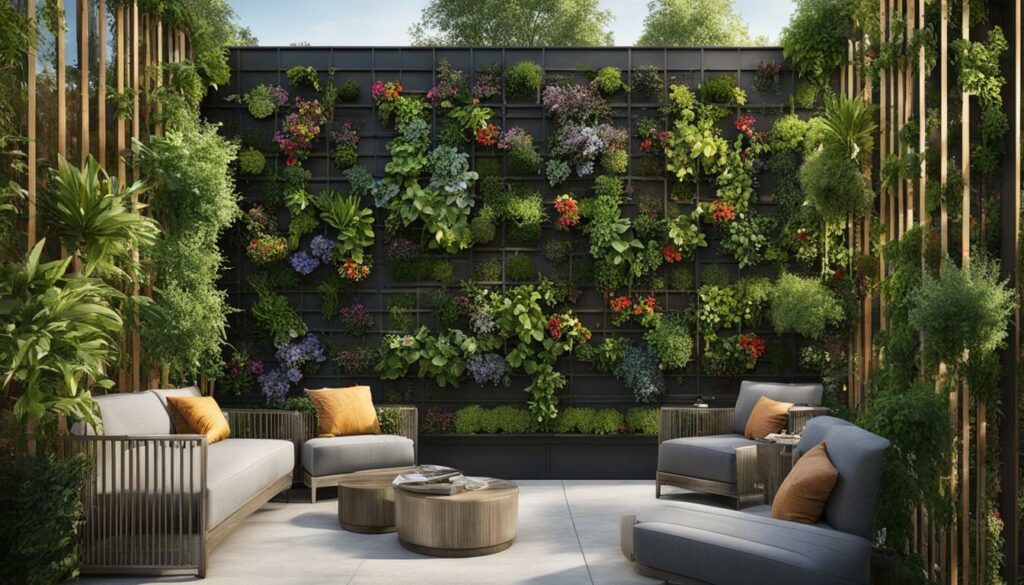
What’s Next: Smart Trellises and AI Pruning
- Self-adjusting trellises: Prototypes from Israel’s TrellisTech use pressure sensors to detect overloaded branches and automatically tighten supports.
- AI pruning assistants: Apps like GrowNet (backed by MIT’s OpenAg Initiative) analyze plant growth patterns via drones or phone cameras and suggest pruning points for optimal yield.
- Solar-powered trellises: SolarSkin’s AgriSolar Trellis integrates thin-film solar panels into the frame, generating 5–10 watts per square meter to power drip systems.
"By 2030, we’ll see trellises that not only support plants but also monitor their health in real time," predicted Dr. Vasquez. "The goal is zero waste—every square inch of vertical space should be productive."
How to Choose the Right Trellis for Your Garden
- Assess your space: Vertical gardens need at least 6 feet of ceiling clearance; balcony setups should use wall-mounted obelisks.
- Match the plant: Vining plants (cucumbers, beans) thrive on A-frames or obelisks; determinate tomatoes (e.g., ‘Roma’) need sturdy H-frames.
- Check your climate: High-wind areas? Use metal frames with concrete anchors. Dry regions? Pair trellises with drip irrigation.
- Budget first: If you’re growing 5+ plants, commercial trellises pay off in Year 2; for 1–2 plants, DIY suffices.
Final note: The RHS’s 2026 guidelines warn against overcrowding—even with trellises, prune aggressively to avoid fungal diseases like powdery mildew, which reduced yields by 22% in UK trials.
Find more reporting in our Business section.
