
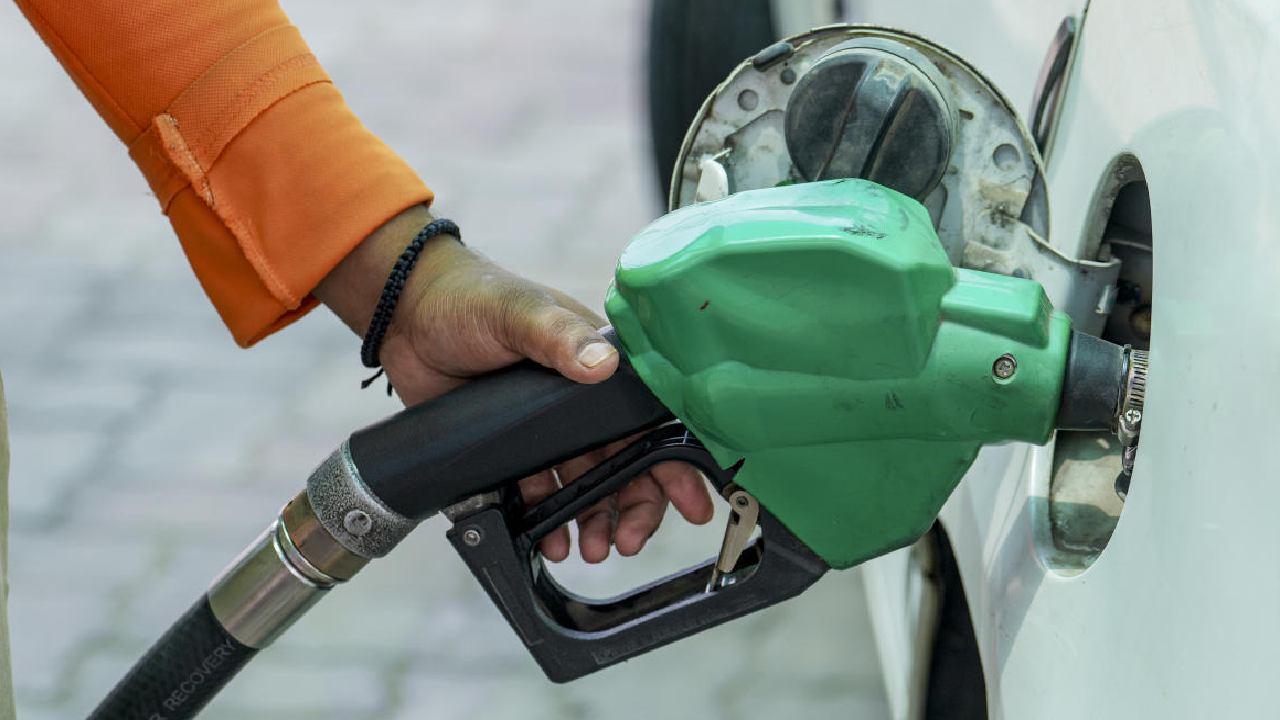
India’s fuel prices have surged for the fourth time in 10 days, with petrol and diesel costs hitting record highs in major cities as global crude volatility spills over into domestic markets. As of Monday, May 25, 2026, Delhi drivers now pay ₹102.12 per liter for petrol—up ₹2.61 from last week—while Kolkata’s prices climbed to ₹113.51 per liter, the highest in the country. The latest hike comes as geopolitical tensions in the Middle East disrupt supply chains, forcing state-owned oil firms to pass on global price shocks to consumers.
Why India’s Fuel Prices Are Rising Faster Than Neighbors
The current spike isn’t just a local trend—it’s a global ripple effect. According to Northeast Now, India’s fuel price increases remain among the smallest in the world, but the cumulative impact is still painful for commuters. Over the past month, Delhi’s petrol prices have jumped ₹4.75 per liter (a 5% rise), while diesel climbed ₹4.82 per liter (5.49%). Comparatively, the U.S. saw a 44.5% surge in petrol prices over the same period, and Pakistan’s increases hit 54.9%. Yet in India, the government’s gradual adjustment strategy—raising prices in small increments—has kept the burden manageable, even as global tensions push crude prices toward $90 per barrel.
.jpg.webp "cluster (priority): TheWall")
The root cause? The ongoing conflict in the Middle East has throttled crude oil flows through the Strait of Hormuz, a critical chokepoint for India’s imports. Nearly 40% of India’s crude oil passes through this route, and disruptions have forced refiners to scramble for alternatives—often at higher costs. While India has diversified supply routes to China and Africa, the logistical delays and premiums are now seeping into retail prices.
City-by-City: Where Fuel Is Most Expensive
| City | Petrol Price (₹/liter) | Diesel Price (₹/liter) | Latest Hike (₹/liter) |
|---|---|---|---|
| Delhi | 102.12 | 95.20 | +2.61 (petrol), +2.71 (diesel) |
| Kolkata | 113.51 | 99.82 | +2.87 (petrol), +2.80 (diesel) |
| Mumbai | 111.21 | 97.83 | +2.72 (petrol), +2.81 (diesel) |
| Chennai | 107.77 | 99.00 | +2.46 (petrol), +2.57 (diesel) |
| Guwahati | 103.69 | 95.01 | +0.87 (petrol), +0.91 (diesel) |
The data reveals a clear pattern: eastern and western cities are bearing the brunt of the hikes, with Kolkata’s petrol price now ₹11.40 higher than Delhi’s—a gap that reflects regional refining costs and transportation logistics. Mumbai, despite its industrial demand, saw a slightly lower increase, suggesting some price stabilization efforts by local distributors. Meanwhile, Guwahati’s smaller hike may indicate lower crude procurement costs for northeastern refiners, though the region’s fuel shortage history makes any relief temporary.
A Timeline of the Last 10 Days: How We Got Here
- May 15, 2026: First hike—petrol +₹3.00, diesel +₹3.00 per liter nationwide.
- May 19, 2026: Second hike—petrol +₹0.87, diesel +₹0.91 per liter.
- May 23, 2026: Third hike—petrol +₹0.87, diesel +₹0.91 per liter.
- May 25, 2026: Fourth hike—petrol +₹2.61 (Delhi), +₹2.87 (Kolkata); diesel +₹2.71 (Delhi), +₹2.80 (Kolkata).
The rapid-fire adjustments reflect India’s daily pricing mechanism, where fuel costs are linked to global crude benchmarks and adjusted every workday. While this system is designed to prevent sudden shocks, the four hikes in 10 days mark an unusual acceleration—even by recent standards. Aajkaal notes that state governments have yet to intervene, despite the cumulative ₹10+ per liter increase for petrol in some cities. The lack of subsidies or price caps suggests the government is betting on market stabilization rather than political relief.
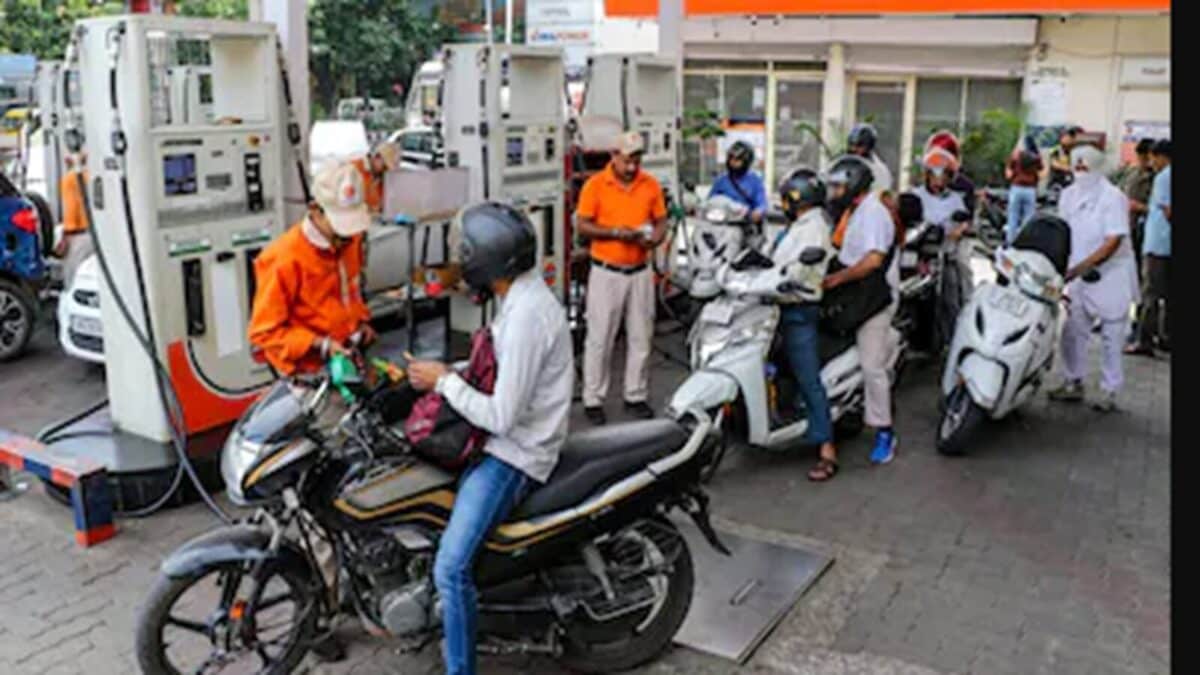
For more on this story, see Oil Prices Surge Near $100 Amid US-Iran Tensions and Supply Risks.
What Comes Next: Will Prices Keep Rising?
The short answer: likely. Global crude prices are still volatile, and the Strait of Hormuz remains a flashpoint. Analysts warn that if the conflict escalates further, India could face another ₹5–₹10 per liter increase in the next month—though the government may spread out the hikes to soften the blow. Historically, India has avoided drastic fuel price jumps by phasing increases over weeks, but the current pace suggests officials are prioritizing transparency over gradualism.
For consumers, the immediate impact is clear: transportation costs are rising faster than wages. A typical Delhi commuter now spends ₹2,042 per month on petrol alone (assuming 50 liters/month), up from ₹1,895 just 10 days ago—a ₹147 monthly increase. For truckers and small businesses, the hit is even steeper. The question now is whether state governments will step in with targeted subsidies or if the burden will fall entirely on households.
One wild card? Monsoon rains. If the upcoming monsoon disrupts domestic fuel distribution networks—as it did in 2024—prices could spike further due to logistical bottlenecks. Meanwhile, refiners are watching crude prices closely; if they dip below $85 per barrel, we might see a temporary pause in hikes. But with no end to the Middle East conflict in sight, ₹120 per liter petrol in major cities by June isn’t out of the question.
This follows our earlier report, US-Iran truce pause slashes oil prices to $101 as markets react to shifting threats.
The Political Fallout: Why States Aren’t Acting
The silence from state governments is deafening. While opposition parties in Delhi and West Bengal have criticized the hikes as “unfair,” ruling coalitions—including the BJP and Trinamool Congress—have avoided direct blame on the central government. The reason? Fuel prices are a shared responsibility. State-owned oil firms (Indian Oil, Bharat Petroleum, Hindustan Petroleum) set retail prices based on global crude costs, but state governments control taxes and subsidies. With elections looming in key states like Maharashtra and Tamil Nadu, no party wants to be seen as shielding consumers from market realities.

Yet the political risk is growing. In 2024, fuel price protests led to roadblocks in Gujarat and Punjab, forcing authorities to temporarily cap diesel prices. If the current trajectory continues, we could see similar unrest—especially in eastern India, where Kolkata’s prices are already ₹10 higher than the national average. The government’s strategy of controlled, incremental hikes may be working to avoid panic, but it’s also testing public patience.
What You Can Do: Short-Term Relief
- Check for discounts: Some fuel stations offer ₹0.50–₹1.00 per liter discounts for cash payments or loyalty programs. Apps like PetrolPump.in track the cheapest prices in real time.
- Plan longer trips: Cross-state travel can save ₹2–₹5 per liter due to regional price variations (e.g., Guwahati is cheaper than Kolkata).
- Monitor government announcements: The central government or state governments may introduce temporary subsidies or rationing if prices hit ₹120 per liter.
- Consider alternatives: Electric two-wheelers (like the Ola S1 Pro) now cost ₹0.50–₹1.00 per km to charge vs. ₹15–₹20 per km for petrol bikes.
The bottom line: India’s fuel crisis isn’t just about economics—it’s a geopolitical stress test. With no quick fix in sight, consumers are left with two choices: adapt or absorb the cost. For now, the only certainty is that the pump will keep climbing—unless global tensions ease or India secures a major crude supply breakthrough. Until then, budget ₹10,000 extra per month for fuel if you’re a Delhi commuter, or ₹12,000 in Kolkata. The question isn’t *if* prices will rise further, but *how fast*.
