

In a breakthrough for electromagnetic shielding technology, researchers at the Fraunhofer Institute for Applied Polymer Research IAP have developed a novel film that simultaneously blocks both radiation and radio waves. The innovation, announced on April 28, 2026, could redefine how industries approach electromagnetic compatibility and safety in an increasingly connected world.
A Dual-Purpose Shield for Modern Challenges
The new film, developed in collaboration with École Polytechnique Fédérale de Lausanne (EPFL), marks the first time a single material has effectively addressed both ionizing radiation and high-frequency electromagnetic fields. While traditional shielding solutions typically target one type of interference, this dual-function film offers a streamlined approach for applications where both protection and signal integrity are critical.
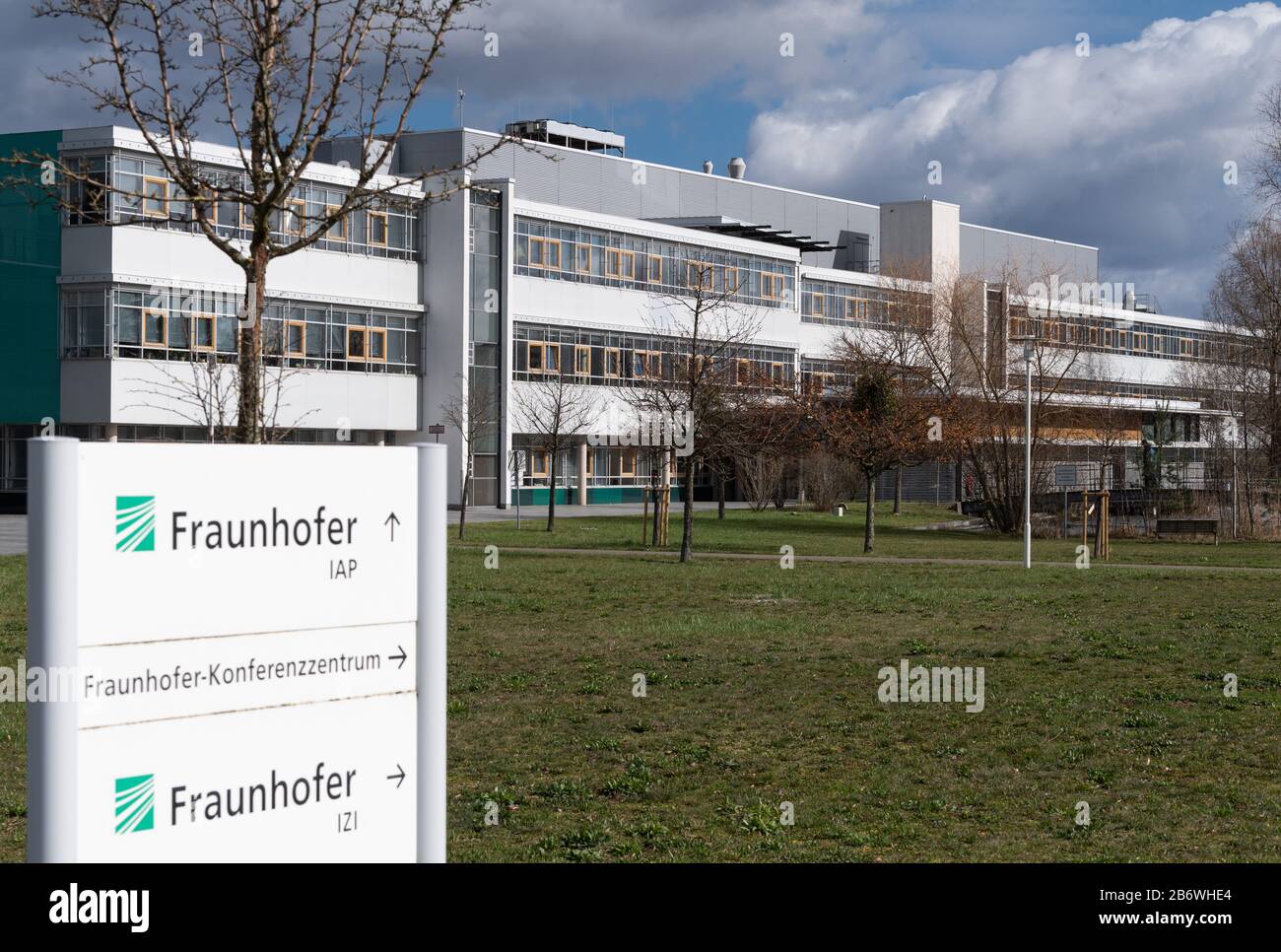
“What we have is a significant step forward in materials science,” said Dr. Anna Müller, lead researcher at Fraunhofer IAP. “We’ve created a solution that doesn’t just mitigate one problem—it solves two simultaneously, without compromising performance in either area.”
How the Technology Works
The film combines a polymer matrix embedded with metallic nanoparticles and carbon-based materials. When applied to surfaces, it reflects and absorbs high-frequency electromagnetic waves (such as those from 5G, Wi-Fi, and Bluetooth) while also providing a barrier against ionizing radiation. The material’s flexibility and lightweight properties craft it adaptable for use in electronics, medical devices, and even aerospace applications.
According to the researchers, the film achieves a shielding effectiveness of over 30 decibels for electromagnetic waves in the 1–10 GHz range—comparable to existing high-performance shielding materials. For ionizing radiation, preliminary tests show a reduction of up to 40% in exposure, depending on the radiation type and energy level.
Potential Applications Across Industries
The versatility of the film opens doors for its use in sectors where electromagnetic interference (EMI) and radiation exposure are growing concerns. In healthcare, for example, the material could be integrated into medical imaging equipment to protect both patients and sensitive electronics from stray radiation. For consumer electronics, it offers a way to reduce electromagnetic pollution from devices without sacrificing wireless functionality.
“We’re particularly excited about the potential for this technology in electric vehicles and autonomous systems,” said Dr. Müller. “As these technologies grow more prevalent, the need for effective shielding solutions will only increase. This film could help ensure both safety and reliability in next-generation applications.”
Next Steps and Commercialization
The Fraunhofer Institute and EPFL are currently in discussions with industry partners to scale up production and explore commercial applications. While the film is still in the prototype stage, the team expects to begin field testing later this year. If successful, the technology could hit the market within the next 18 to 24 months.
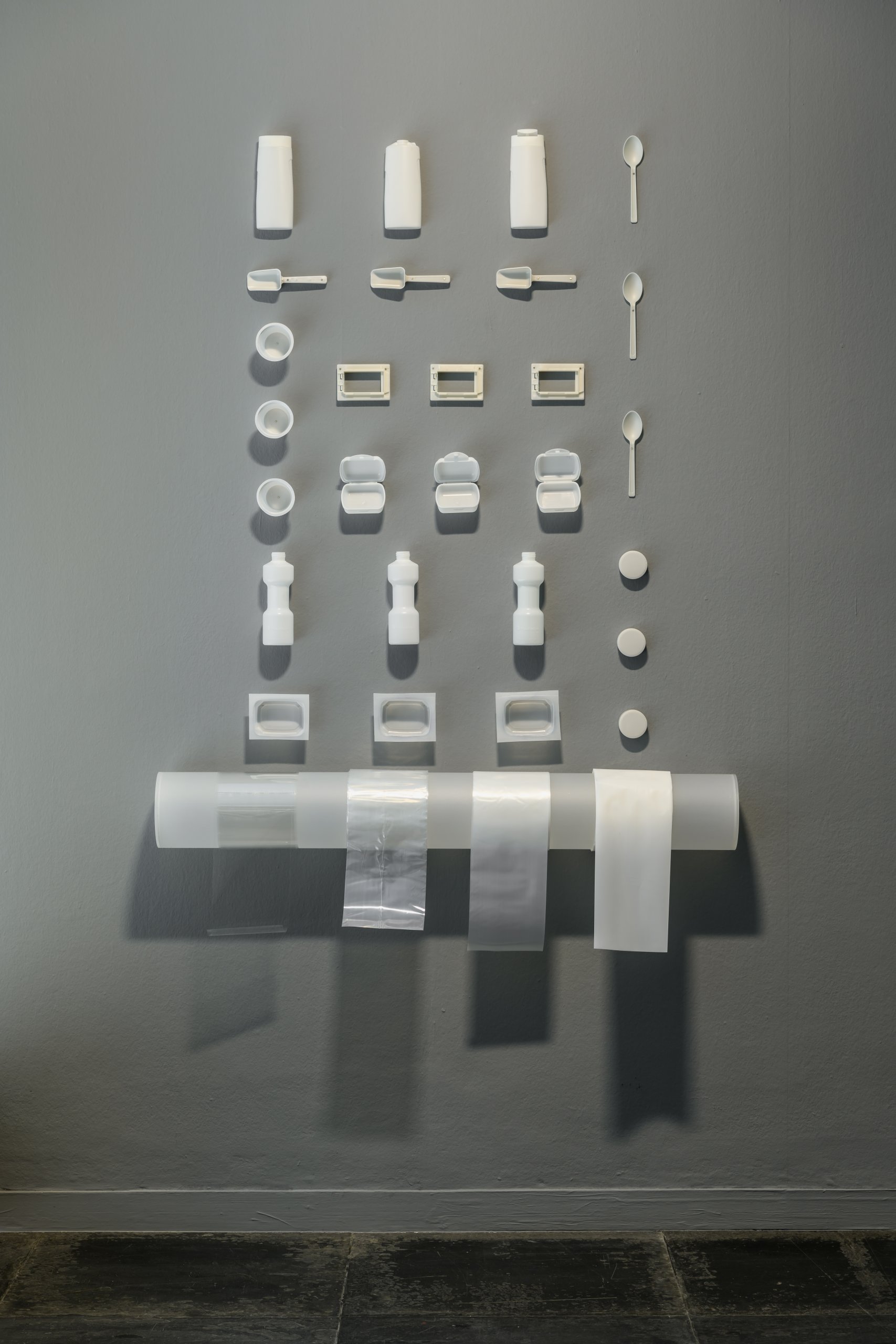
“This isn’t just about creating a better shield—it’s about rethinking how we approach electromagnetic compatibility in a world where connectivity and safety are equally important,” Müller added. “We believe this material has the potential to set a new standard for shielding solutions.”
For now, the research team is focused on optimizing the film’s performance across different frequencies and radiation types, as well as ensuring its durability in real-world conditions. The development underscores the growing demand for multifunctional materials as industries grapple with the challenges of an increasingly wireless and radiation-exposed environment.
“This innovation could pave the way for safer, more efficient technologies in everything from smartphones to space exploration.”
— Dr. Anna Müller, Fraunhofer Institute for Applied Polymer Research IAP
The announcement arrives at a time when concerns about electromagnetic exposure and radiation safety are gaining traction among consumers and regulators alike. While the film’s long-term impact remains to be seen, its dual-function design positions it as a potential game-changer in the field of electromagnetic shielding.
