
Public Health Officials Urge Tetanus Vaccination as Wound Care Awareness Grows
As warmer weather brings more outdoor activities—and with them, an increased risk of cuts, scrapes, and puncture wounds—health authorities are reminding the public about the critical importance of tetanus vaccination. The bacterial infection, though preventable, remains a serious threat when wounds go untreated or vaccination records lapse.
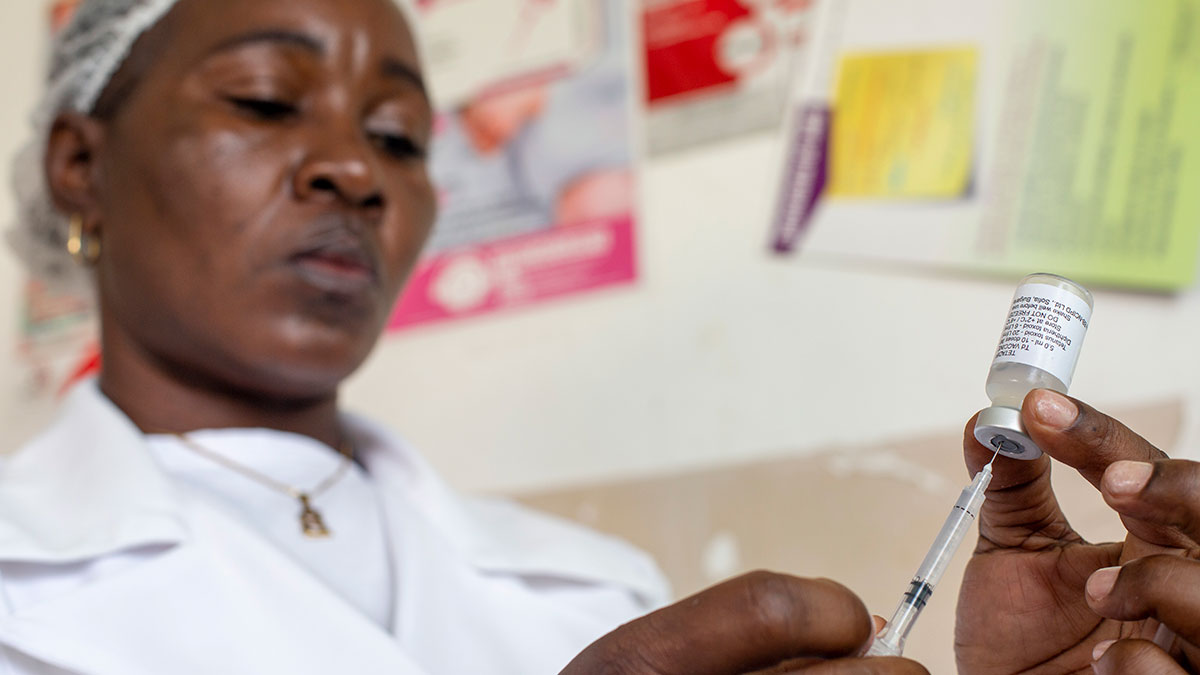
Tetanus, caused by the bacterium Clostridium tetani, enters the body through breaks in the skin, often from contaminated wounds. Unlike many infections, it cannot be spread from person to person, but its spores thrive in soil, dust, and animal feces—making even minor injuries a potential risk. Symptoms typically appear within three to 21 days, beginning with muscle stiffness and spasms before progressing to severe complications, including difficulty swallowing, breathing problems, and, in extreme cases, death.
“The best defense against tetanus is staying up to date on vaccinations,” health experts emphasize. According to Brazil’s Ministry of Health, the recommended immunization schedule includes three initial doses of the pentavalent vaccine in a child’s first year, followed by boosters at 15 months and 4 years. After that, adults should receive a tetanus booster every 10 years—or every five years in the case of severe injuries.
For pregnant women, the ministry advises an additional dose of the dTpa vaccine after the 20th week of gestation to protect newborns from neonatal tetanus, a life-threatening condition that can occur within the first month of life.
When to Seek Medical Attention After an Injury
Not all wounds carry the same risk of tetanus. Health guidelines classify injuries into two categories: low-risk and high-risk.
Low-risk wounds include superficial cuts or scrapes without foreign debris or dead tissue. For individuals with an uncertain or incomplete vaccination history, a tetanus shot may still be recommended as a precaution.
High-risk wounds, however, demand immediate medical evaluation. These include:
- Deep or dirty cuts contaminated with soil, feces, or saliva
- Puncture wounds from nails, knives, or gunshots
- Animal bites or scratches
- Burns, frostbite, or crush injuries
- Open fractures or severe trauma
Floods and natural disasters also heighten tetanus risk, as contaminated water and debris increase the likelihood of high-risk injuries among survivors and first responders.
For those with incomplete vaccination records or no prior immunization, health providers may recommend both the tetanus vaccine and a dose of tetanus immune globulin (TIG) to provide immediate, short-term protection. The immune globulin is most effective when administered within 21 days of an injury, though its benefits diminish after the first week in previously vaccinated individuals.
Why Vaccination Gaps Persist—and How to Close Them
Despite widespread availability, tetanus vaccination rates among adults remain inconsistent. Many people assume childhood immunizations provide lifelong protection, unaware that booster shots are necessary to maintain immunity. Others may delay or skip vaccinations due to misinformation, lack of access, or complacency about the disease’s severity.

“Tetanus is rare in countries with high vaccination coverage, but that doesn’t mean it’s gone,” public health officials note. “When outbreaks occur, they often affect unvaccinated or under-vaccinated individuals, particularly in high-risk environments like construction sites, farms, or disaster zones.”
The Ministry of Health encourages everyone to check their vaccination records and visit a local clinic if boosters are overdue. For those unsure of their status, health providers can assess risk based on injury type and vaccination history, ensuring timely protection.
As outdoor activities increase in the coming months, experts stress that prevention is simple: keep wounds clean, seek medical care for high-risk injuries, and—most importantly—stay current on tetanus vaccinations. The steps may seem small, but they can make the difference between a minor scrape and a life-threatening infection.
Read the full coverage on Google News
