
Apple to Remove Automatic Wi-Fi Syncing for Apple Watch in Europe Amidst Regulatory Dispute
Apple has confirmed it will remove the automatic Wi-Fi network syncing feature between iPhones and Apple Watches for users in the European Union with the release of iOS 26.2, a move stemming from ongoing disagreements with the EU’s Digital Markets Act.
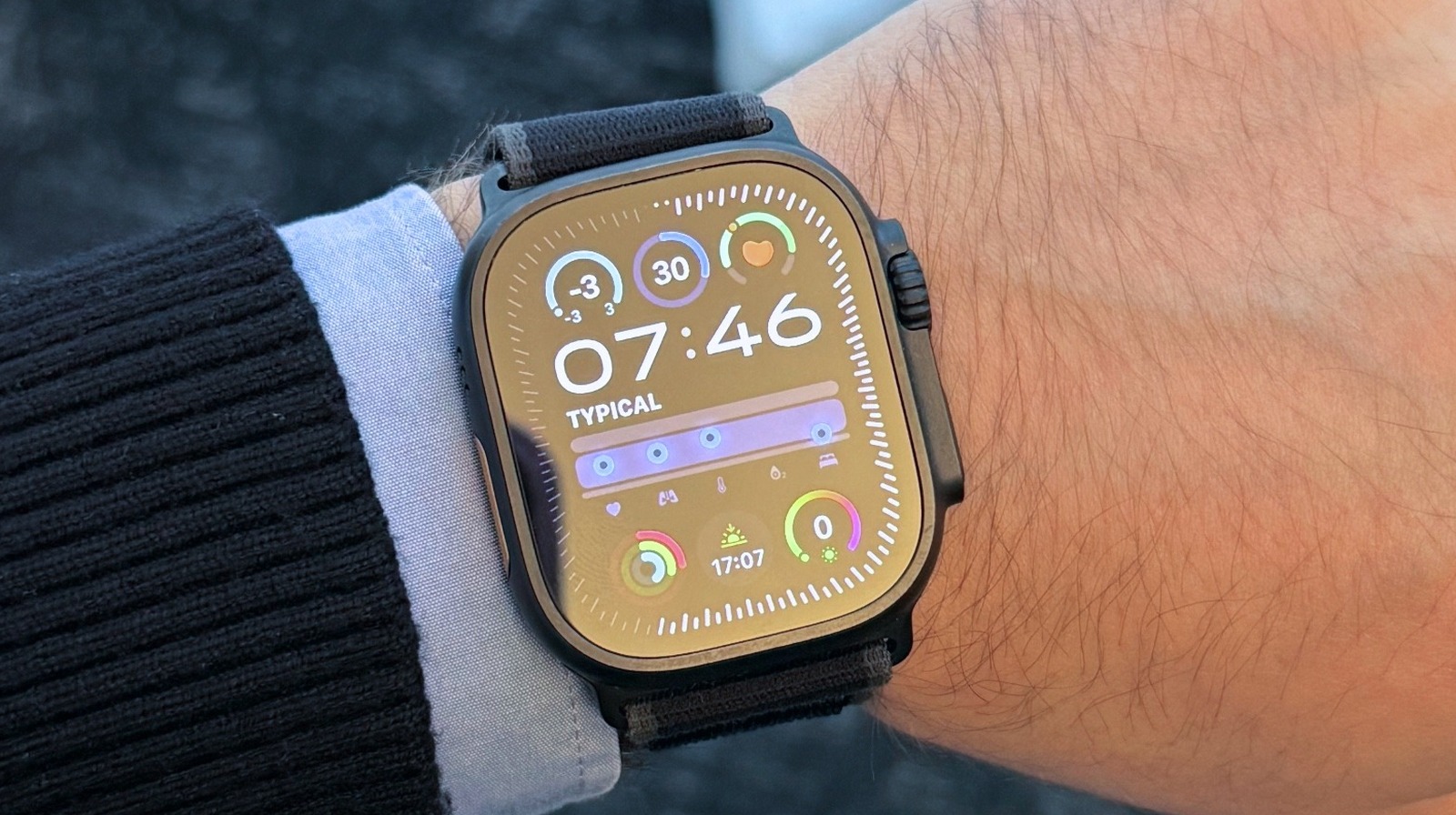
The change, first reported by Numerama, means Apple Watch users will need to separately connect to Wi-Fi networks on each device, even if their iPhone is already connected. While existing saved networks on the Apple Watch will remain, future connections will require individual logins. This adjustment comes as the European Commission pushes Apple to further open its ecosystem to third-party developers, a core tenet of the Digital Markets Act.
Apple has previously stated it would not hesitate to remove features in Europe if it believed doing so was necessary to protect user data, citing concerns about “data hungry companies.” Alongside this change, Apple is reportedly developing other interoperability features for European users, including the potential for third-party smartwatch notifications on iPhones – a feature that could increase competition in the wearable tech market. Another reported development involves adding a security PIN to AirDrop connections, potentially as a way to maintain control over the technology without fully opening it to other companies.
Apple appealed the EU’s interoperability rules last May, but a final decision is still pending. The company continues to assert its commitment to user privacy and security while navigating the evolving regulatory landscape. The European Commission still expects further commitments from Apple regarding fundamental changes to its practices.
Apple officials have indicated they will continue to evaluate feature availability in Europe based on their assessment of data security risks.
Following Apple’s ongoing dispute against the European Union’s Digital Markets Act legislation, the company confirmed to French publication Numerama that iOS 26.2 will remove automatic Wi-Fi network syncing between iPhone and Apple Watch in the region. According to the report, Apple is responding to the European Commission’s interoperability requirements, which wants the American company to continue to open up its iPhone ecosystem and features to third-party developers.
That said, Apple decided to remove the ability to automatically connect the Apple Watch to the same network the iPhone is connected to in iOS 26.2. While this seemingly won’t affect the networks that the Apple Watch already has stored, it will mean that the user needs to sign in separately on each device going forward. Even though Apple hasn’t addressed this case specifically, the company previously said that it wouldn’t be afraid to remove features in Europe to protect its users’ data against “data hungry companies.”
European Commission still expects Apple to commit to other fundamental changes
With Apple set to remove this key Apple Watch feature for EU users, the company has been reportedly working on other interoperability features that will be available for European users. For example, iOS 26.1 beta code revealed that the company is working to implement third-party smartwatch notifications from the iPhone, making these devices more compatible with Apple’s iPhones.
Besides that, another report suggests that AirDrop might get a security PIN whenever users start a connection with a user. This could be a way for Apple to avoid opening up the AirDrop technology to other companies, which it says might put user data at risk. Still, the company has other features it might need to implement in iOS 26 and iOS 27 to appease the European Commission.
Last May, Apple filed an appeal against interoperability rules in the EU. However, a final decision hasn’t been reached yet, and the company keeps saying it could continue to limit features in the region to protect itself and its users.
