
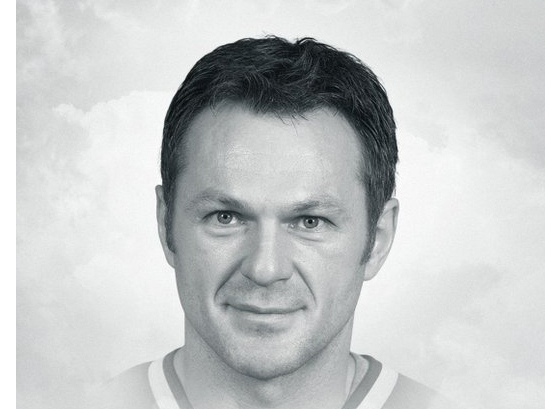
Claude Lemieux, the four-time Stanley Cup champion and NHL legend, died by suicide at age 60 on Thursday, May 29, 2026, just days after an emotional return to the ice in Montreal. His death—confirmed by police as a self-inflicted act—has sent shockwaves through the hockey world, where he was remembered as one of the most feared and skilled enforcers of his era. The NHL Alumni Association called his passing “devastating,” while teammates and rivals alike grappled with the sudden loss of a player whose career spanned nearly two decades of dominance.
A Career Built on Speed, Skill, and Stanley Cups
Lemieux’s hockey résumé reads like a blueprint for greatness: drafted in the second round by the Montreal Canadiens in 1983, he spent seven years with the team, winning his first Stanley Cup in 1986. But it was with the New Jersey Devils that he truly cemented his legacy, hoisting the Cup twice more in 1995 and 2000—including a legendary 1995 playoff run where he was named Conn Smythe Trophy winner after scoring 13 goals in 20 games. His 379 career goals and 407 assists across 1,215 regular-season games make him one of the NHL’s most decorated enforcers, a player who combined brute force with elite playmaking.
Yet for all his accolades, Lemieux’s later years were marked by a quiet struggle. His final NHL seasons saw stints with the Phoenix Coyotes, Dallas Stars, and San Jose Sharks, but by the time he retired, the game had moved on. The emotional weight of his return to Montreal—where he was honored by the Canadiens before his death—hints at a man grappling with the past, a career’s end, and perhaps the pressures of a life lived under the microscope.
The Tragedy of a Return: Why Montreal’s Tribute Went Wrong
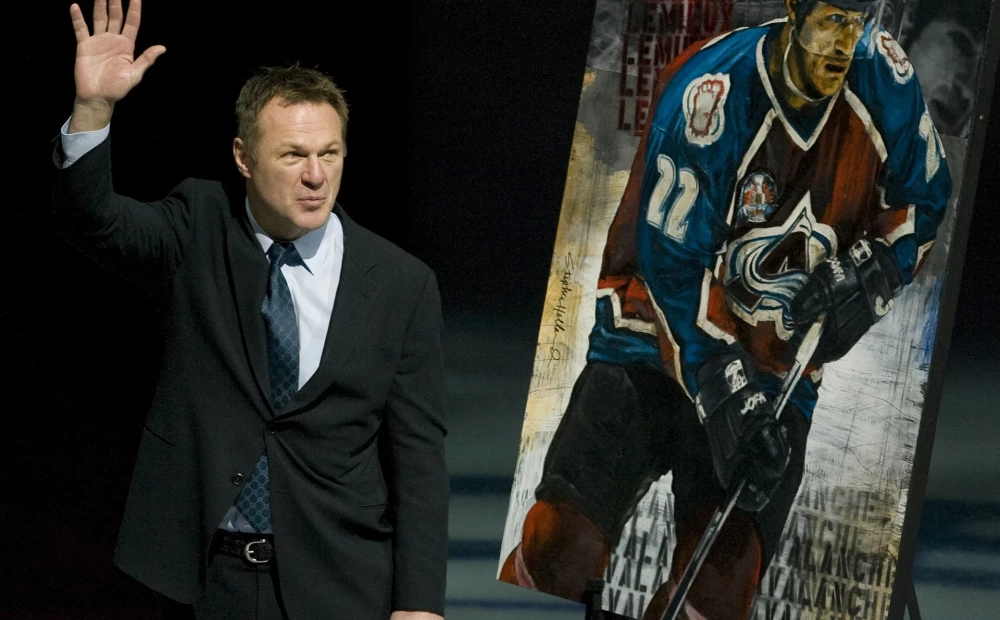
The timing of Lemieux’s death is haunting. Just three days before his suicide, he was the guest of honor at a Canadiens pre-game ceremony, where he received a standing ovation from fans who once roared for him. The contrast between that moment and his final act—taking his own life in the same city where he first tasted glory—has left hockey analysts and fans searching for answers.
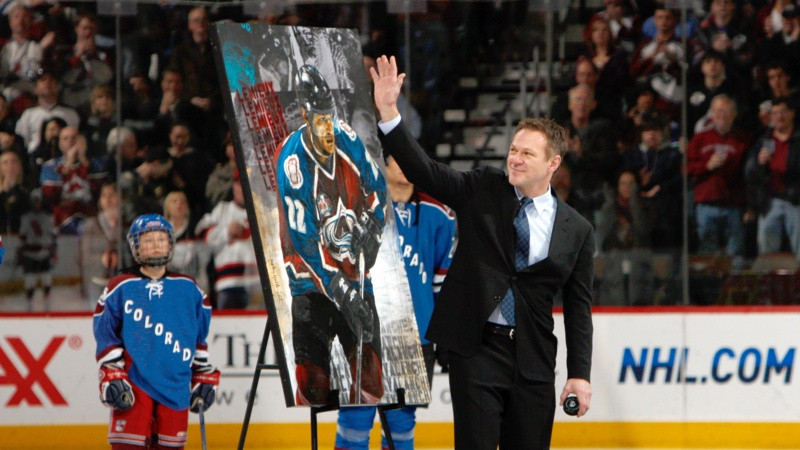
Inbox.lv reported that police confirmed Lemieux died by suicide, though no official cause was released. The details of his final days remain scant, but the NHL Alumni Association’s statement—calling his death “devastating”—suggests a man who, despite his public persona, was battling unseen demons. For a player whose identity was so deeply tied to his hockey legacy, the loss of that role may have been too much to bear.
Legacy Beyond the Ice: Family, Faith, and the NHL’s Silent Crisis
Lemieux’s family connection to hockey runs deep. His brother, Joël, also played in the NHL, and his son, Brendan, now plays for the Swiss team Davos. But it’s his own story that resonates most: a man who dominated the NHL for nearly two decades, only to vanish from the sport without warning. His death is not just a personal tragedy but a stark reminder of the mental health struggles that plague athletes long after their careers end.
The NHL has made strides in recent years to address athlete mental health, but cases like Lemieux’s underscore how much work remains. His suicide comes on the heels of other high-profile athlete deaths, including former NFL players and Olympic athletes, all of whom struggled silently with depression, PTSD, or substance abuse. For a league that prides itself on toughness, the message is clear: even the hardest players can break.
What Happens Next? The NHL’s Response and the Fans’ Grief
The NHL has not yet issued a formal statement, but the league’s silence speaks volumes. In an era where players like Patrick Kane and Sidney Crosby have openly discussed mental health, Lemieux’s death forces a reckoning. Will the league now take bolder steps to support retired athletes? Will his family speak out to raise awareness? And how will fans—who once cheered for his physicality—now process the man behind the mask?
For now, the hockey world is left with questions. The Canadiens, who once celebrated Lemieux’s return, have not commented on his death. The Devils, with whom he won two Cups, have also remained silent. But the outpouring of tributes on social media—from former teammates to rival players—suggests this loss is being felt far beyond the rink.
A Final Stat: The Numbers That Define a Legend
- Stanley Cups: 4 (1986 with Canadiens, 1995 & 2000 with Devils, 1996 with Avalanche)
- Conn Smythe Trophy: 1 (1995, after scoring 13 goals in 20 playoff games)
- Career Goals: 379 (in 1,215 regular-season games)
- Assists: 407
- Teams Played For: Canadiens, Devils, Avalanche, Coyotes, Stars, Sharks
Yet for all the hardware, it’s the intangibles that may haunt his memory: the speed that made him untouchable, the physicality that earned him the nickname “The Blade,” and the quiet dignity with which he carried himself off the ice. His death, at just 60, leaves behind a void—not just in hockey history, but in the lives of those who knew him best.
The NHL’s next move will be watched closely. Will they honor Lemieux’s legacy by finally addressing the mental health crisis in retired athletes? Or will his story, like so many others, fade into the background of a league that still struggles to talk about the men behind the jerseys?
