

KAPUAS HULU, Indonesia — Six government-run school meal kitchens in Indonesia’s Kapuas Hulu district remain suspended after failing to meet wastewater treatment standards, but two facilities have now cleared the final hurdles for reopening, local officials confirmed Tuesday.
The suspensions have left approximately 8,000 students without access to a flagship nutrition program launched under President Prabowo Subianto, raising concerns about food security in one of Indonesia’s most remote regions.
Soni Deviandi Putra, coordinator of the National Nutrition Agency (BGN) in Kapuas Hulu, told reporters that two of the seven suspended Satuan Pelayanan Pemenuhan Gizi (SPPG) kitchens—located in Pala Pulau and Selimbau villages—have now fulfilled all requirements for the mandatory Wastewater Treatment Plant (IPAL) certification. “We’ve submitted the paperwork to the central BGN office for approval,” he said. “Once the official letter arrives, they can resume operations immediately.”
The two facilities are among seven SPPG kitchens suspended earlier this month for lacking proper sanitation infrastructure. One kitchen in Dogom, North Putussibau, has already reopened after meeting the standards, leaving six still offline.
Compliance Deadlines and Financial Incentives
While the suspensions have disrupted meal services, officials confirmed that the affected kitchens continue to receive monthly operational incentives of 6 million Indonesian rupiah (approximately $375) during the shutdown. The policy aims to prevent financial strain on local operators while they address compliance issues.
“The suspended kitchens have been cooperative in making the necessary upgrades,” Putra noted. “Most already have their Hygiene and Sanitation Certificates (SLHS) in place—they’re just waiting on the wastewater systems to be installed.” He estimated that the remaining installations could be completed within the week, though the final reactivation timeline depends on approval from the central BGN office.
The suspensions stem from a broader crackdown on sanitation violations in school meal programs. Earlier this month, the BGN halted operations at an SPPG kitchen in Mempawah’s Sungai Batang district over alleged wastewater pollution, signaling a stricter enforcement of health standards.
Regional Impact and Future Expansion
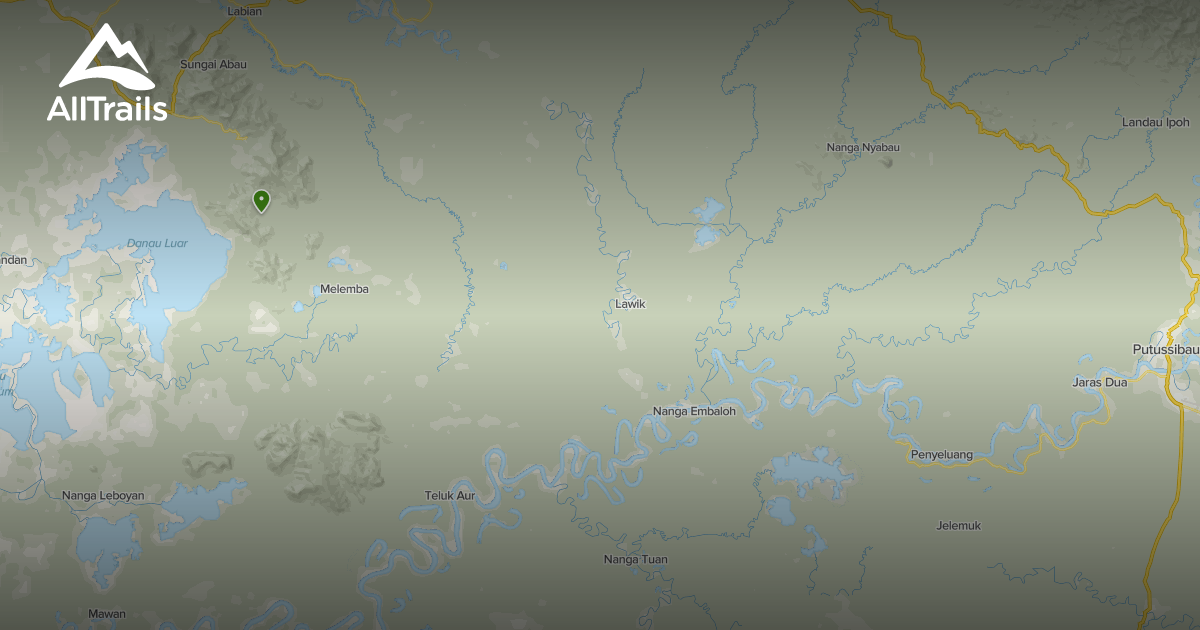
The disruptions in Kapuas Hulu highlight the challenges of implementing large-scale nutrition programs in rural areas, where infrastructure gaps can delay compliance. The suspended kitchens serve students across seven subdistricts, including Putussibau Selatan, Putussibau Utara, and Suhaid.

Despite the setbacks, local governments are pushing for expansion. In January, the Kapuas district legislature voiced support for adding more SPPG facilities to meet growing demand for the program, which provides free, balanced meals to students in underserved communities.
Officials have as well emphasized the need for stronger worker protections. In a separate statement, the Kapuas Hulu government reminded SPPG operators to ensure health insurance and accident coverage for kitchen staff, underscoring the program’s dual focus on nutrition and labor rights.
The suspensions come as Indonesia’s school meal initiative gains momentum under President Prabowo’s administration. While the program has been praised for improving student health and attendance, the recent shutdowns reveal persistent gaps in infrastructure and oversight—particularly in remote regions like Kapuas Hulu, where logistical hurdles complicate compliance.
For now, thousands of students remain without the daily meals they’ve come to rely on, as local authorities race to bring the suspended kitchens back online.
