
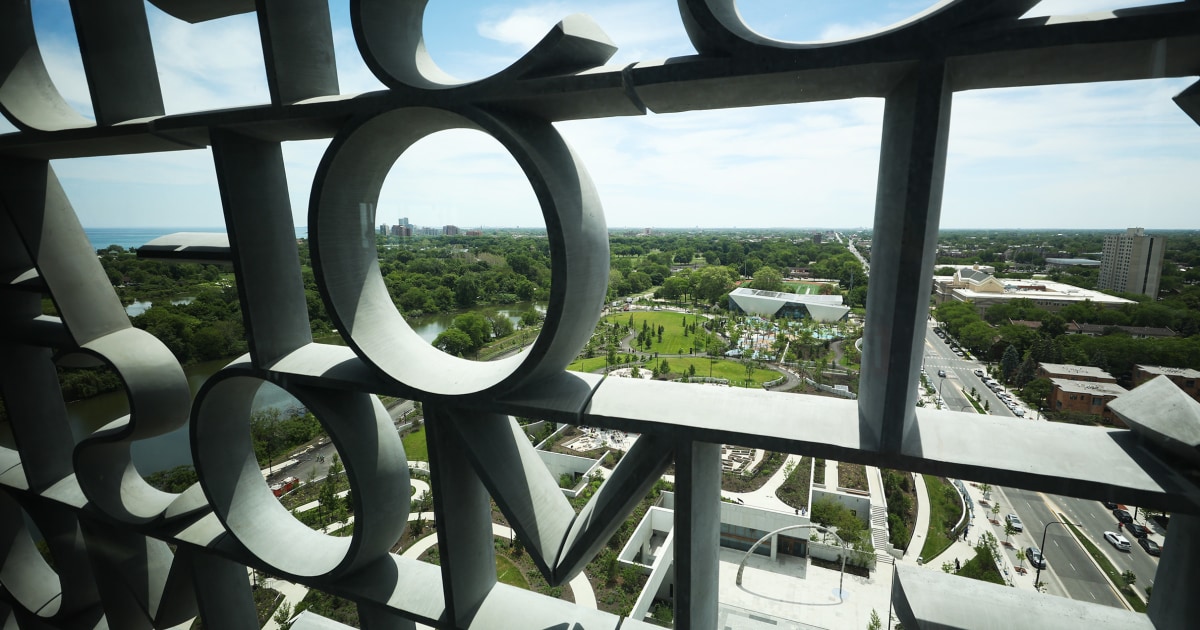
The Barack Obama Presidential Center officially opened in Chicago on Thursday, June 18, 2026, with a star-studded ceremony featuring former President Barack Obama, Michelle Obama, and a gathering of international dignitaries and political leaders. The center, which includes a museum, public library, and community spaces, marks the culmination of a decade-long effort to honor Obama’s legacy while serving as a hub for civic engagement. Unlike traditional presidential libraries, this campus is designed to be a living space for Chicagoans, with facilities like a recording studio, basketball courts, and event spaces intended for public use.
A Campus Built for Community, Not Just History
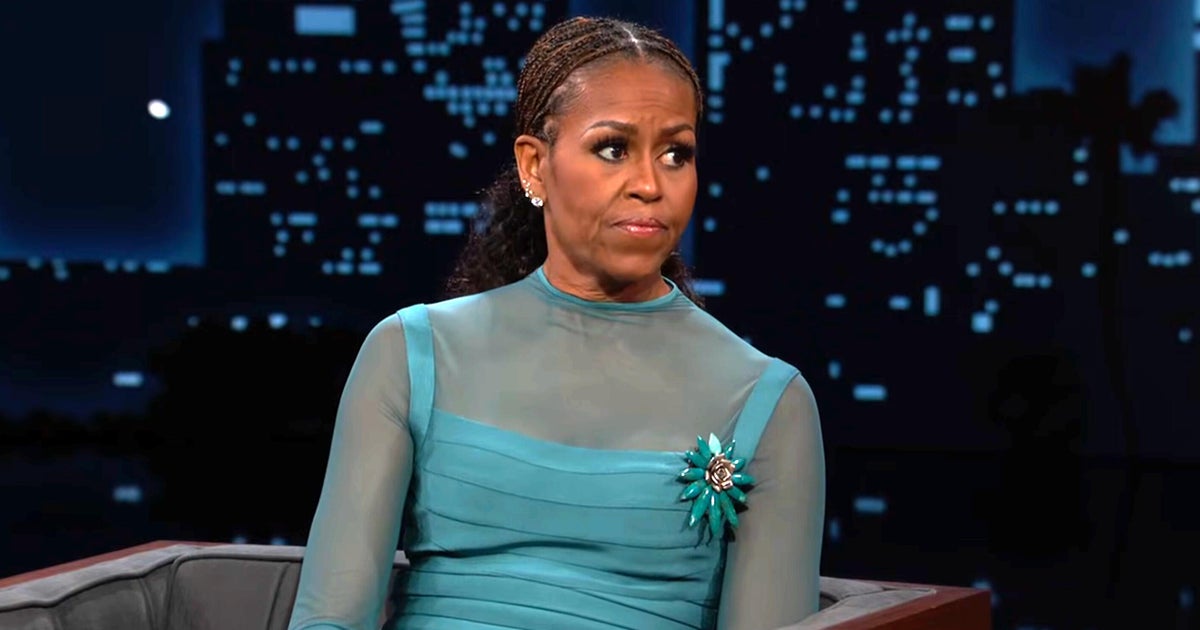
The Obama Presidential Center is not just a museum—it’s a reimagined civic space. As Michelle Obama told the crowd, the campus is meant to be a place where Chicagoans can “drop some beats in the recording studio and hit some corner 3s at Home Court”, referencing the center’s basketball courts and music facilities. The design reflects the Obamas’ belief that public spaces should be interactive, not passive. Valerie Jarrett, CEO of the Obama Foundation, framed the center as a tribute to “ordinary people who did extraordinary things”, emphasizing its role as a platform for community-driven initiatives rather than a static monument.

According to The New York Times, the center’s public library and art exhibits are central to its mission, but its true innovation lies in its adaptability. The Obama Foundation’s website confirms that the campus is not just a historical archive but a “space for the next generation of leaders”, with plans for ongoing programming like clothing drives, cleanup days, and even birthday parties. This aligns with Barack Obama’s remarks about Chicago as the place where he found his purpose—“friendships that would last a lifetime”—and where the center now aims to foster similar connections.
The Star-Studded Ceremony: Who Showed Up and Why
The opening ceremony drew an unprecedented gathering of former presidents and first ladies, underscoring the center’s significance as a bipartisan landmark. Former President George W. Bush, President Joe Biden, and Bill Clinton, along with their spouses, were among the dignitaries in attendance. Valerie Jarrett, in her opening remarks, directly addressed the crowd: “To President and Secretary Clinton, to President and Mrs. Bush, to President and Dr. Biden, all of our foreign dignitaries and elected officials who are here, we are honored by your presence.” The presence of these figures—often political rivals—sent a clear message: the center is not a partisan statement but a celebration of American democracy.
Jarrett’s speech also highlighted the center’s roots, recalling how she first met the Obamas “35 years ago”, when they were newly engaged and just beginning their careers. NBC News reported that Jarrett framed the center as a tribute to the collective effort behind Obama’s presidency, not just the Obamas themselves. This narrative shift—from individual legacy to shared history—distinguishes the center from other presidential libraries, which often focus more narrowly on the leader’s tenure.
How the Center Differs from Other Presidential Libraries
Most presidential libraries function as archives, preserving documents, artifacts, and records from an administration’s time in office. The Obama Presidential Center, however, was designed from the start to be a “living campus”, blending education, culture, and community engagement. While libraries like the Reagan Library in California or the Truman Library in Missouri offer exhibits and research facilities, the Obama center’s “Home Court” basketball courts and recording studio are intended for public use, not just display.
The center’s public library, for example, is modeled after Chicago’s own Harold Washington Library, emphasizing accessibility. Michelle Obama’s call to “bring them back on time”—a playful nod to library rules—underscores the center’s commitment to making knowledge and creativity accessible to all. This approach reflects the Obamas’ broader philosophy, as Jarrett noted: “Inside this museum, and throughout this magnificent campus, you’re going to find the stories of ordinary people who did extraordinary things.” Unlike traditional libraries, which often cater to researchers and scholars, the Obama center is explicitly designed for “the next generation”, with programs aimed at youth and community organizations.
What’s Next for the Obama Presidential Center?
The center’s opening is just the beginning. Plans for the campus include ongoing partnerships with local schools, nonprofits, and artists to keep the space dynamic. The Obama Foundation’s website confirms that the center will host “citywide cleanup days, clothing drives, and even birthday parties”, positioning it as a year-round hub for civic life. Unlike static museums, which rely on visitors to seek them out, the Obama center is designed to “pull people in” through its programming.

Barack Obama’s reflections on his arrival in Chicago in 1985—“I didn’t know anybody in Chicago, but I had been inspired by the civil rights movement”—hint at the center’s broader ambition. The campus is not just a memorial; it’s a “call to action”. By hosting events that address modern challenges—from education to environmental sustainability—the center aims to mirror the Obamas’ own journey from community organizer to president. The question now is whether other presidential libraries will follow this model, or if the Obama center remains a one-of-a-kind experiment in blending history with everyday life.
The Obama Presidential Center’s opening is more than a ceremonial milestone—it’s a blueprint for how public spaces can evolve. As Michelle Obama put it, this isn’t just a place to visit; it’s a place to “belong”. For Chicago, and for the nation, the challenge will be to see whether the center’s vision of an interactive, inclusive civic space can be sustained beyond its opening weekend.
Find more reporting in our News section.
