

Ahead of World Haemochromatosis Awareness Week, which runs from June 1 to June 7, 2026, medical experts and patients are calling for earlier screening for Ireland’s most common genetic disorder. The condition, known as iron overload, affects roughly one in five people in Ireland, yet often remains undiagnosed due to its vague, non-specific early symptoms.
The Hidden Symptoms: Why Diagnosis Is Frequently Delayed
Haemochromatosis is often described as the “Celtic Gene” because of its high prevalence in the Irish population. Despite this, the path to a diagnosis is often long and frustrating for patients who mistake early warning signs for fatigue or anxiety. According to reporting by RSVP Live, Alice Kelly, a 22-year-old baker from Kildare, began experiencing symptoms at age 16. She initially attributed her abdominal cramps and finger pain to stress related to her schooling, only to discover later that her ferritin levels were critically high.

The clinical challenge lies in the nature of the symptoms, which mimic common ailments. As the Galway Advertiser notes, these can include brain fog, persistent tiredness, and joint pain, particularly in the knuckles—a symptom sometimes referred to as the “iron fist.” Because these markers are so broad, the condition is frequently missed until irreversible damage to the liver, heart, or pancreas occurs.
“I started to have symptoms of haemochromatosis before I even knew what the condition was, when I was probably around 16. I was getting random abdominal cramps, and I just put it down to maybe anxiety for the upcoming Leaving Cert,” Alice Kelly, via RSVP Live.
Standardizing Treatment and Screening Protocols
Once identified, the condition is highly manageable. The primary treatment, venesection, involves the removal of a unit of blood on a regular basis, which forces the body to utilize excess iron stores. For some, like local councillor and long-term patient Brian O’Sullivan, the treatment has become a routine part of life. Echo Live reports that O’Sullivan, who was diagnosed 23 years ago, now undergoes venesection once every six months to maintain his ferritin levels.
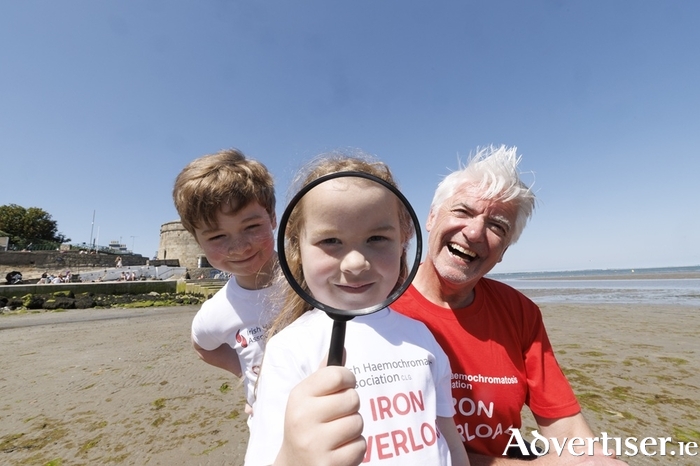
The medical community is pushing for more robust diagnostic strategies. Professor John Ryan, a Consultant Hepatologist at Beaumont Hospital, emphasized that while the condition is often missed, the diagnostic tools are readily available. “It may be frequently missed because early symptoms are so non-specific, but we have the tools to diagnose this early and prevent complications,” Ryan stated, as cited by the Galway Advertiser.
Research and Genetic Hotspots Across Ireland
Recent research highlights that the risk is not distributed evenly across the country. Data identified by researchers at the University of Edinburgh indicates that there are clear genetic “hotspots” for haemochromatosis throughout Ireland, with the highest concentration of risk found in the north-west. This mapping project, funded by Haemochromatosis UK, aims to provide better data to guide future public health interventions.
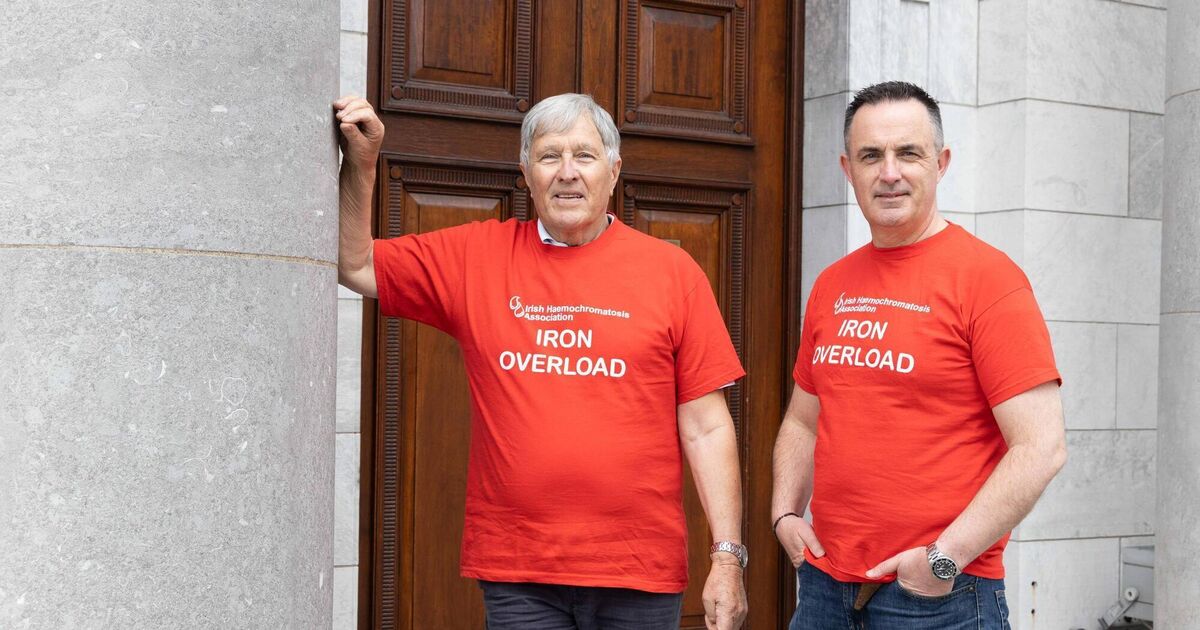
The Irish Haemochromatosis Association (IHA) remains the central hub for patient advocacy and education. They recommend that anyone experiencing symptoms should request an iron panel blood test from their GP. If the initial results—specifically Serum Ferritin or Transferrin Saturation (TSAT) levels—are elevated, a genetic test is then performed to confirm the diagnosis.
Addressing the Long-Term Implications
For those living with the condition, the psychological impact of a diagnosis is often one of relief. After years of feeling “horrific” and lazy due to chronic fatigue, many patients report that knowing the underlying cause allows them to reclaim their quality of life. As O’Sullivan noted in his personal account, the treatment is “simple and drug-free,” yet the consequences of ignoring it can be fatal.
The medical consensus is clear: early intervention prevents the most severe outcomes. With the Irish Liver Foundation and other international bodies collaborating on upcoming research conferences, the focus for the remainder of 2026 is on educating both the public and primary care providers to look past “non-specific” complaints and order the blood tests necessary to catch the “Celtic Gene” before it causes permanent damage.
If you are concerned about your symptoms, consult your healthcare provider to discuss whether an iron panel blood test is appropriate for you.
