
Often referred to as a “knightly simulator” within gaming circles, the Czech-developed Kingdom Come: Deliverance and its sequel stand out as some of the best medieval role-playing games available. A closer look.
Eight years after its initial release, Kingdom Come Deliverance remains a standout title in the immersive RPG space, known for its challenging opening hours. Players quickly discover whether they’re willing to commit to a difficult start or seek a more accessible experience.
The game’s demanding initial stages serve as a filter for potential players, determining who will persevere through the challenges ahead.
The recently released sequel, Kingdom Come Deliverance II, builds upon the foundation of the original, offering improved graphics, enhanced gameplay, and an even more ambitious scope.
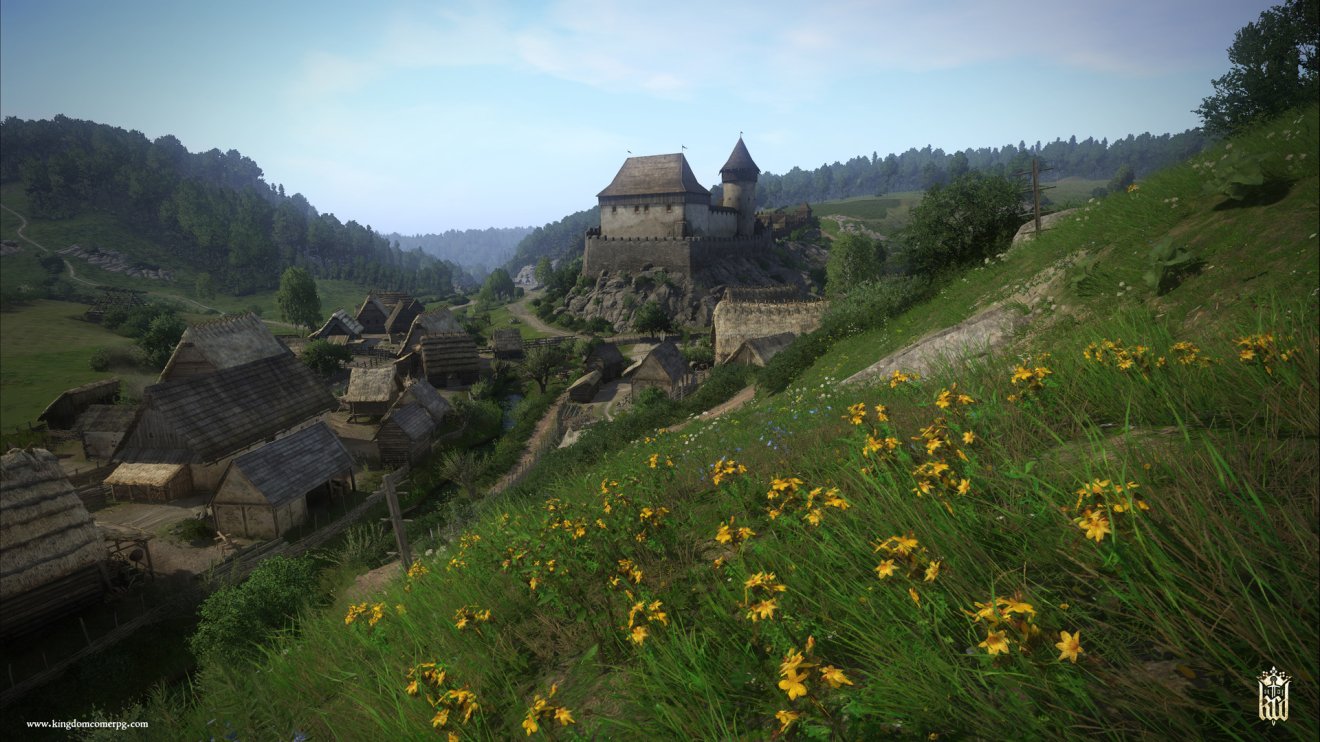

The developers have meticulously modeled and integrated real-world Czech castles and locations into the game.
Fotó: Kingdom Come Deliverance
Like its predecessor, the sequel presents a steep learning curve, filtering players who are willing to embrace its numerous challenges. This commitment to realism and immersion has resonated with players seeking a more authentic RPG experience.
The game’s difficulty is balanced by a rewarding sense of progression as players overcome obstacles and master the game’s intricate systems.
The original game recently received a substantial update to mark its eighth anniversary, now running at up to 60 frames per second in 4K resolution on current-generation consoles. The second installment, released last year, continues to captivate players willing to immerse themselves in its demanding yet rewarding world.
• Videó: Warhorse Studios
Despite its complexity, both Kingdom Come Deliverance titles offer a unique and immersive experience. Players can spend hundreds of hours exploring the game world, engaging in side quests, and mastering various skills without even progressing the main storyline.
The games allow players to simply exist within the medieval setting, constantly improving their abilities and adapting to the challenges of the era.
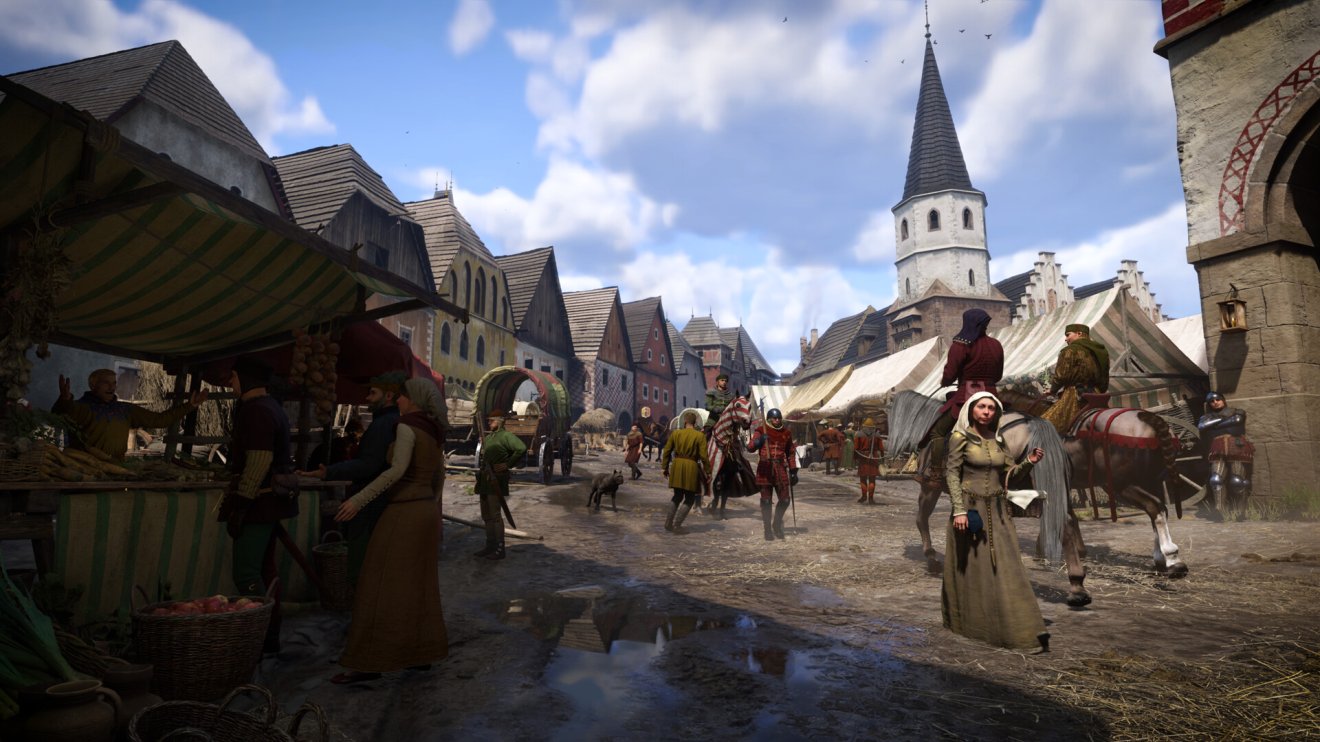
It truly feels like stepping into medieval Bohemia.
Fotó: Kingdom Come Deliverance II
Daniel Vávra, the creative force behind the series, took a bold step in 2009 by leaving 2K Studios and founding Warhorse Studios. The studio set out to create a historically accurate, immersive medieval RPG, eschewing the typical fantasy tropes of the genre.
From the outset, the team committed to a realistic and authentic depiction of 15th-century Bohemia.
Securing funding for the project proved challenging. After struggling to attract investors, Warhorse launched a Kickstarter campaign to demonstrate demand and raise a portion of the development costs. The campaign exceeded expectations, raising over £1 million (approximately $5 million USD) against a target of £300,000. Deep Silver ultimately became the publisher, allowing the game to finally release in February 2018, followed by five story-driven expansions.
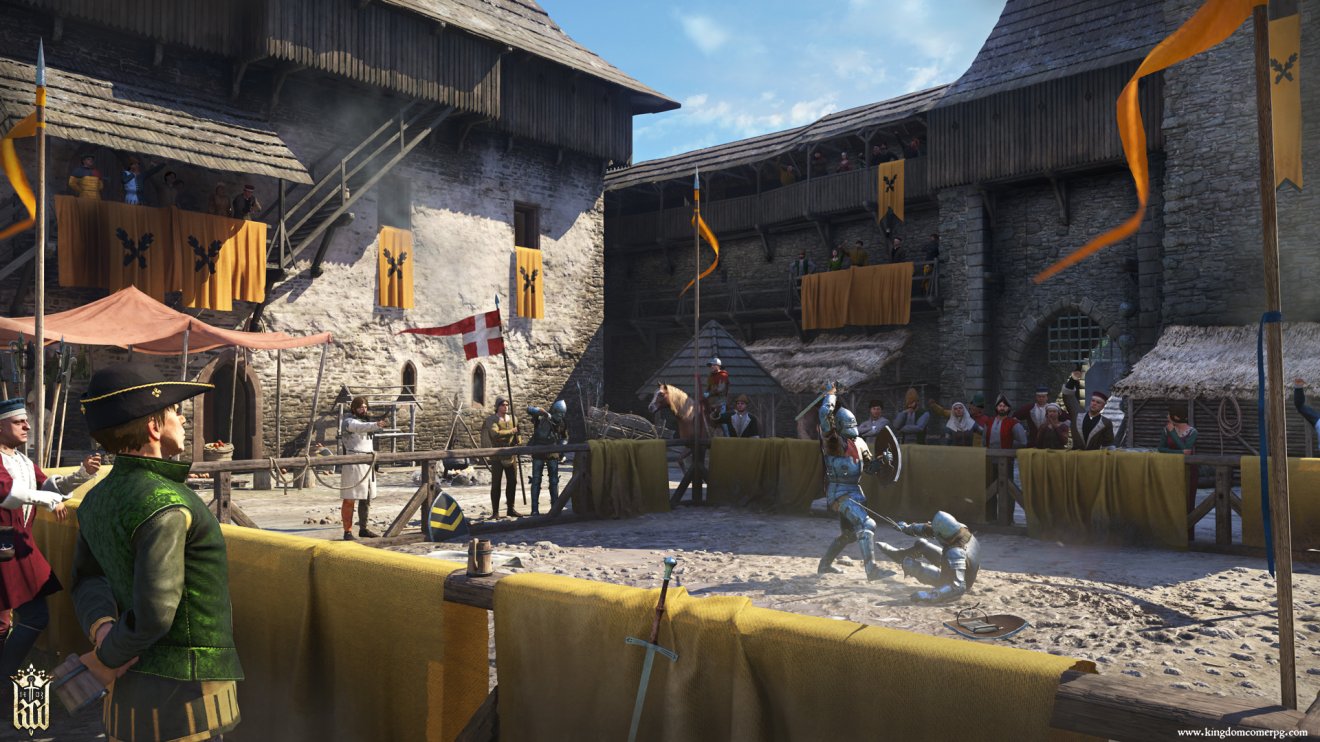
Players can even participate in knightly tournaments as Henry.
Fotó: Kingdom Come Deliverance
The narrative unfolds in 1403 Bohemia, following Henry, the son of a blacksmith, whose family is killed during a raid led by Sigismund of Luxembourg. Henry vows revenge against the perpetrators and sets out to recover a stolen sword.
The story begins with the brutal destruction of Henry’s village and the loss of his parents.
Players initiate as an untrained commoner with limited skills, requiring them to learn to read, fight, and ride a horse. The game emphasizes survival and resourcefulness, demanding players secure food, armor, and weapons to progress. The initial stages are deliberately challenging, forcing players to adapt and overcome obstacles.
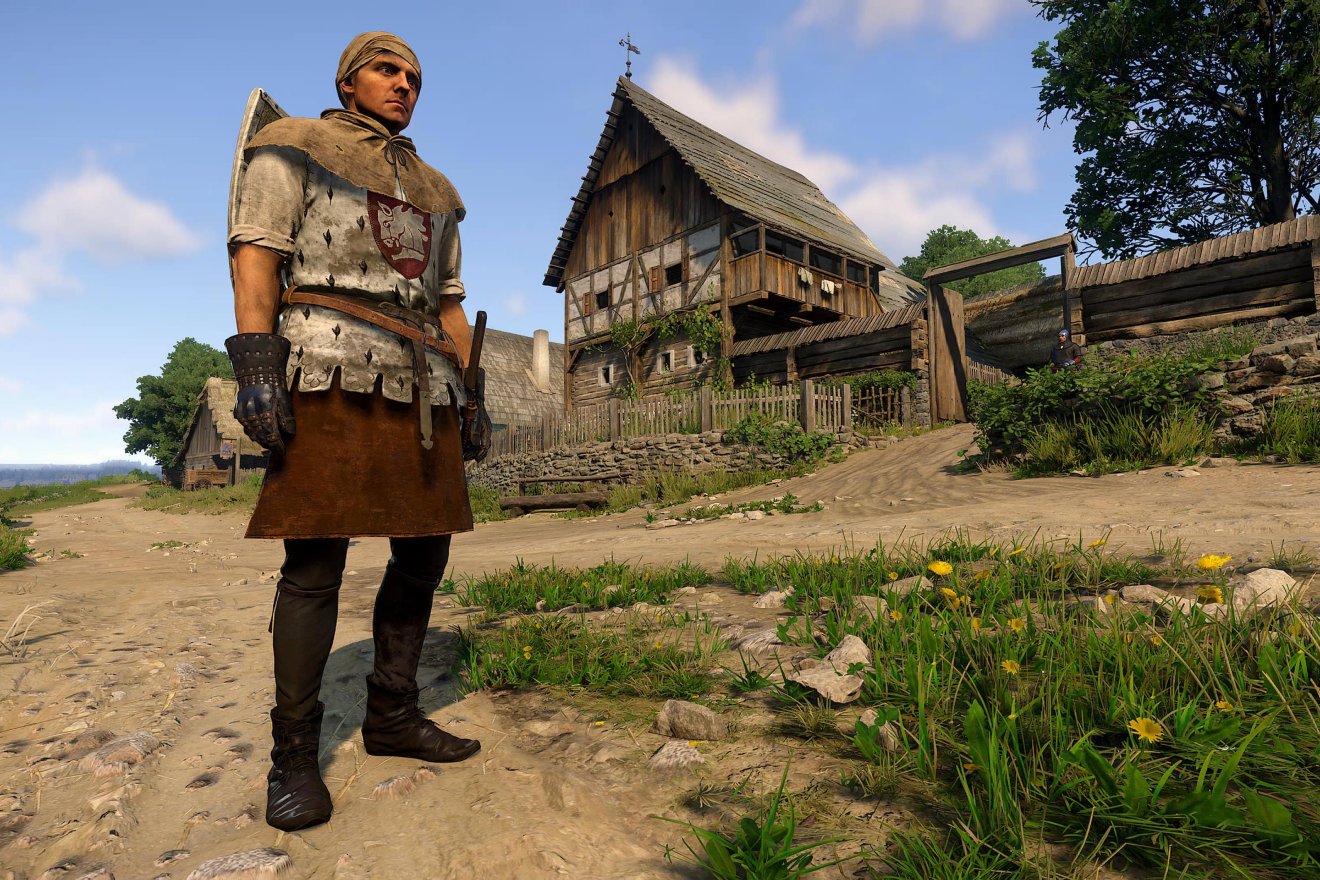
Kingdom Come Deliverance II features more detailed graphics and improved visuals compared to the already impressive original.
Fotó: Kingdom Come Deliverance II
Players can craft potions, forge weapons, and gamble to earn money, but must also manage their reputation and avoid legal trouble. The game’s world reacts to the player’s actions, influencing how NPCs interact with them. A dirty and disheveled Henry will be treated differently than one clad in shining armor.
This dynamic system adds depth and realism to the gameplay experience.
The game offers a wide range of options for achieving objectives: players can persuade NPCs, engage in combat, or resort to theft. Skill progression is tied to player actions, rewarding consistent effort. Frequent potion-making improves potion quality, while archery practice enhances aiming skills.
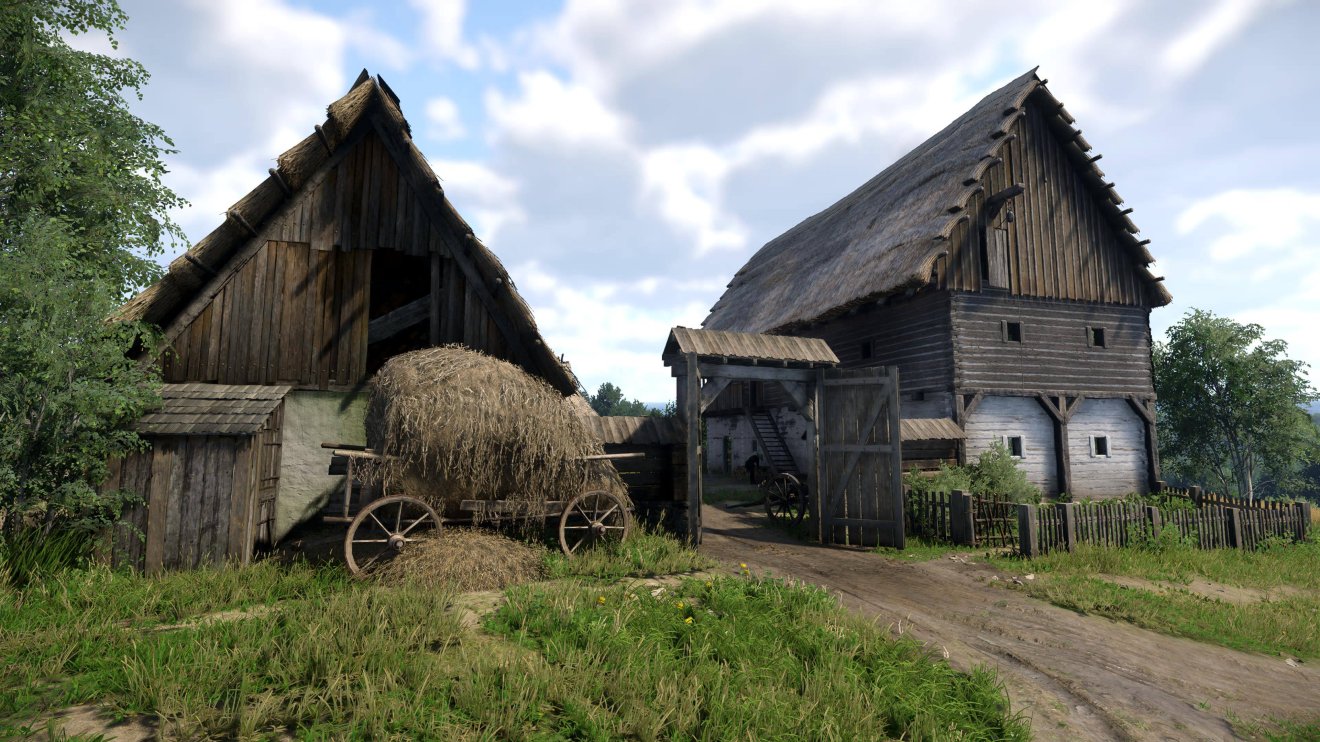
Fotó: Kingdom Come Deliverance II/Képernyőfotó
A “Hardcore” mode further increases the challenge by removing quest markers, disabling health and stamina bars, and making enemies more formidable. This mode caters to players seeking the ultimate test of survival.
The game’s open-world design encourages exploration and discovery.
The Kingdom Come Deliverance games offer a unique blend of realism and immersive gameplay. Players can lose themselves for hundreds of hours, completing quests, mastering skills, and simply existing within the medieval world. The series has sold over ten million copies since its debut, demonstrating its enduring appeal. The sequel has already reached five million units sold in its first year, becoming one of 2025’s biggest AAA titles and a contender for Game of the Year, though ultimately losing out to Clair Obscur: Expedition 33.
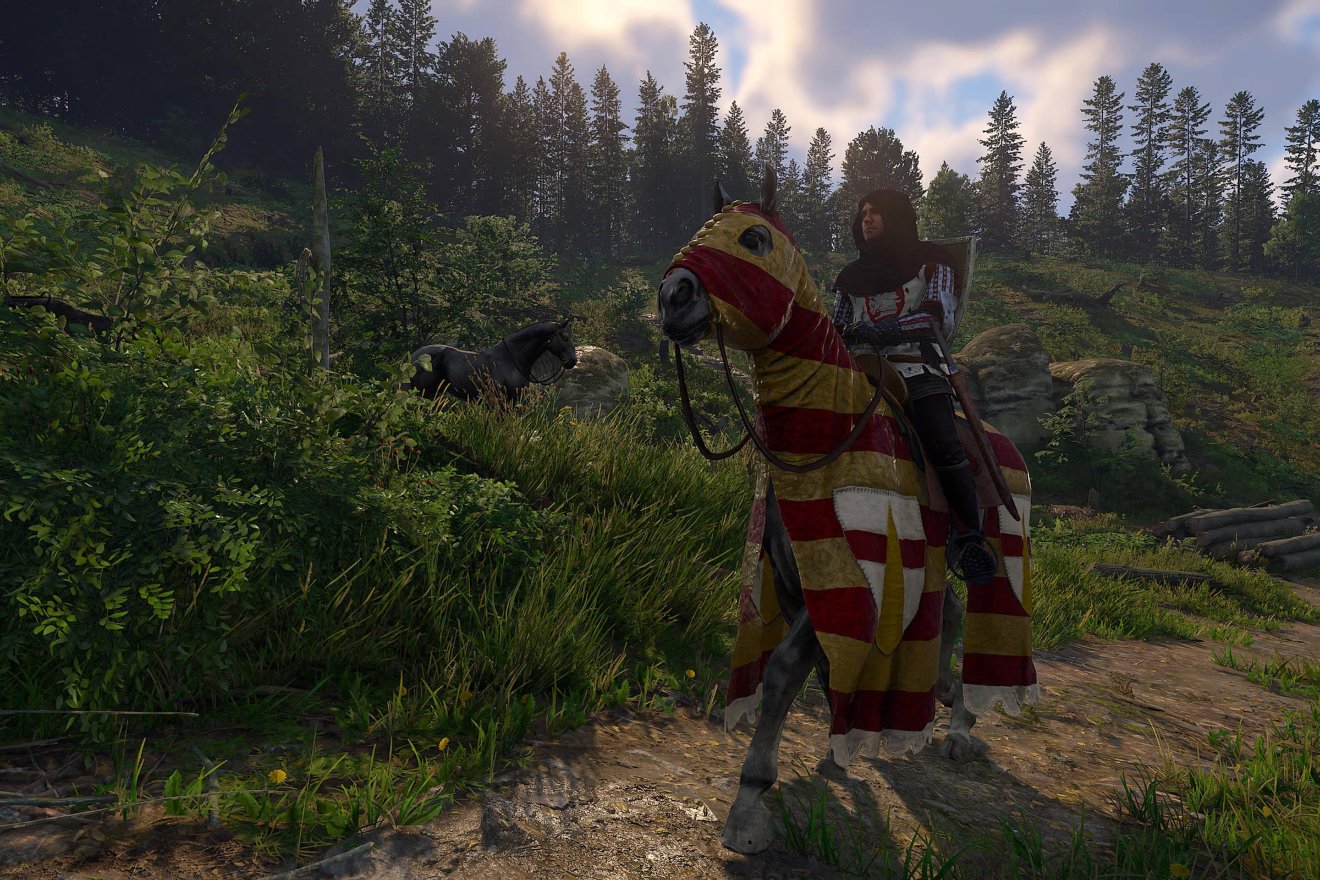
Fotó: Kingdom Come Deliverance II/Képernyőfotó
While Henry’s story may have reached its conclusion with the second installment, the future of Warhorse Studios remains promising. If their next project maintains the same level of dedication to detail and authenticity, it is likely to be another exceptional gaming experience.
