
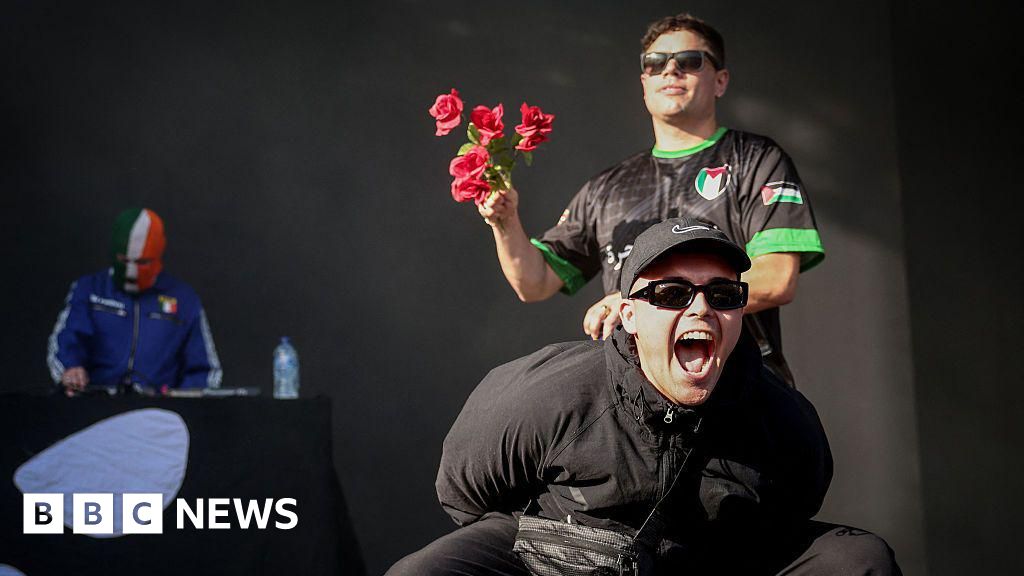
Is artistic expression truly free, or are we entering an era of increased censorship and political scrutiny? The recent controversy surrounding the band Kneecap offers a stark example, prompting a deeper look into future trends in art, politics, and censorship. Explore how the politicization of art and entertainment, coupled with phenomena like “cancel culture,” are reshaping the landscape for artists worldwide, potentially stifling creative freedom.
The kneecap Controversy: A Look at Future Trends in Art, Politics, and Censorship
Table of Contents
The recent ban of the Irish language band Kneecap from entering Canada has sparked a heated debate. This incident,involving allegations of supporting terrorist organizations and expressing views contrary to Canadian values,offers a glimpse into the evolving intersection of art,politics,and censorship. Let’s delve into the potential future trends emerging from this controversy.
the Growing Politicization of Art and Entertainment
One of the most significant trends is the increasing politicization of art and entertainment. Kneecap’s music, which frequently enough touches on sensitive political topics, has made them a target. This is not an isolated incident. Artists worldwide are finding their work scrutinized for political content, leading to cancellations, bans, and other forms of censorship. This trend is fueled by several factors:
- Social Media’s Amplifying Effect: Social media platforms allow for rapid dissemination of opinions, both positive and negative, about artists and their work. This can quickly escalate controversies.
- Increased Awareness of Social Justice Issues: Audiences are more aware of social justice issues, leading them to demand that artists align with their values.
- Polarization of Political views: The widening gap between political ideologies makes it more likely that art will be viewed thru a partisan lens.
Pro Tip: Artists should be prepared for increased scrutiny and consider how their work might be perceived by different audiences. Openness and open dialog can definitely help navigate these challenges.
The Rise of “Cancel Culture” and Its Impact
The Kneecap case highlights the impact of “cancel culture.” The band faced criticism and a ban due to their alleged political statements. This phenomenon, where individuals or groups face social or professional repercussions for their actions or statements, is becoming more prevalent. While some see it as a way to hold people accountable,others view it as a form of censorship that stifles free expression.
Did you know? The term “cancel culture” gained popularity in the late 2010s, reflecting a growing trend of public shaming and boycotts in response to perceived offenses.
Governmental and Institutional Censorship
The Canadian goverment’s decision to ban Kneecap is an example of governmental censorship. This trend is not limited to Canada. Governments worldwide are increasingly using their power to restrict artistic expression, often citing national security, public order, or moral grounds. This can take various forms,including:
- Visa Denials: As seen in the Kneecap case,denying entry to a country is a common tactic.
- Funding Restrictions: Governments can cut funding to arts organizations or artists whose work they deem objectionable.
- Content Removal: Censorship can extend to removing content from online platforms or banning books and films.
Case Study: In 2023, several countries banned the film “Barbie” due to its perceived political messages, demonstrating the global reach of censorship.
Social media and online platforms play a crucial role in shaping these trends. They can amplify controversies, facilitate censorship, and provide a space for artists to connect with their audiences. However,these platforms also face pressure to moderate content,leading to debates about free speech and censorship.
- Content Moderation: Platforms are under pressure to remove content that violates their terms of service, which can lead to censorship.
- algorithmic Bias: Algorithms can amplify certain viewpoints while suppressing others, possibly influencing public opinion.
- Online Activism: Social media is a powerful tool for activists and artists to mobilize support and challenge censorship.
The Future of Artistic Expression
The Kneecap case and similar incidents raise questions about the future of artistic expression. Will artists be forced to self-censor to avoid controversy? Will governments and institutions continue to exert control over art? the answers are complex and will likely vary depending on the political and social context.
Reader Question: How can artists navigate the challenges of censorship and political scrutiny while remaining true to their creative vision?
The Kneecap controversy is a microcosm of broader trends. It underscores the need for open dialogue, critical thinking, and a commitment to protecting artistic freedom. The future of art depends on our ability to navigate these complex issues.
Explore More: Read more about the impact of censorship on artists and the role of art in social change. Share your thoughts in the comments below!
