
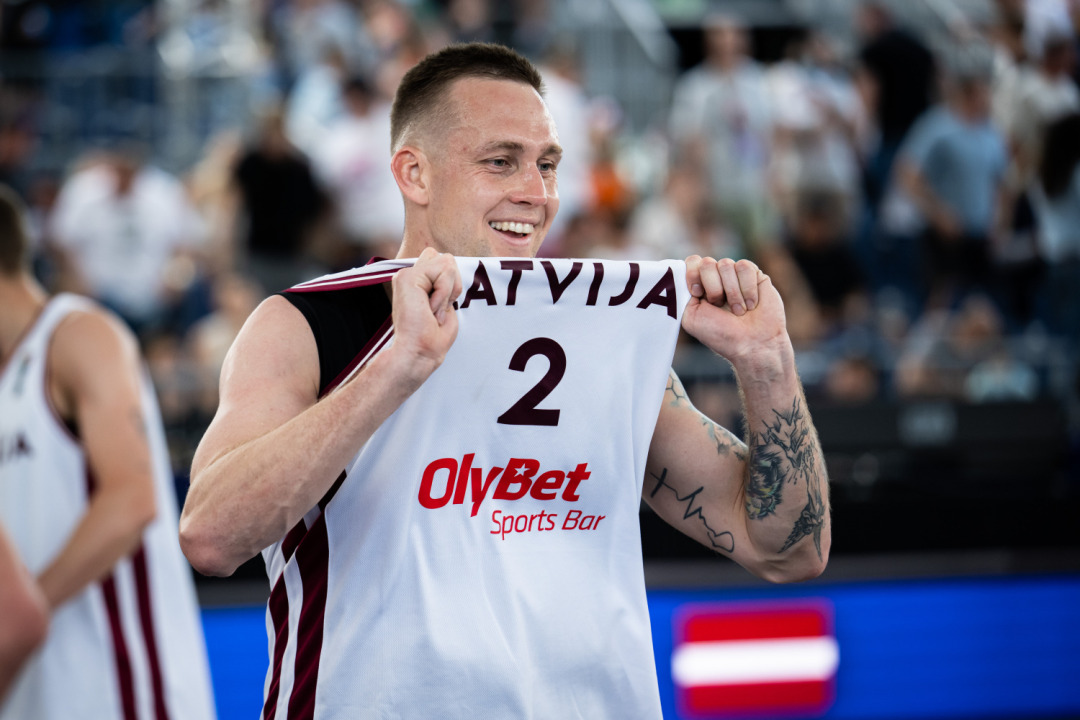
Latvia’s men’s 3×3 basketball team secured its first-ever world championship title by defeating Germany 20–15 in the final, marking a historic achievement for the nation. The team, featuring Ventspils Olympic Center athlete Kārlis Pauls Lasmanis, claimed the gold medal on June 7, 2026, after a week of competition in the Pasaules kausa izcīņa.
A Historic Path to the Gold Medal
The path to the world championship was not without its hurdles. Latvia opened the tournament with a 14–17 loss to the United States, a result that ultimately proved to be a necessary catalyst for the team’s momentum. As reported by Sportacentrs.com, the squad followed that opening defeat with a string of victories, including a tight 22–20 win over host nation Poland and comfortable wins against the Czech Republic and Mongolia.

These results secured Latvia the second seed in their group, setting the stage for a difficult run through the knockout bracket. The team overcame New Zealand 21–19 and dominated their neighbors from Lithuania with a 22–13 victory to reach the semifinals. The final triumph over Germany secured the only major international title that had previously eluded the Latvian program, according to Ventspils valstspilsētas pašvaldība.
In the broader context of the FIBA 3×3 World Cup, the tournament format is notoriously unforgiving. Unlike traditional five-on-five basketball, which utilizes longer series and deeper rosters, 3×3 basketball relies on a singular, high-intensity knockout bracket where a single subpar performance can lead to elimination. Latvia’s ability to rebound from their opening-day loss reflects the tactical adjustment period required to adapt to the specific physicality and pace of the tournament environment in Poland.
Player Performance and Tournament Impact
Kārlis Pauls Lasmanis was the standout performer of the event. Beyond securing the team title, Lasmanis was named the tournament’s Most Valuable Player and finished as the top scorer, averaging eight points per game. His total of 38 points across the tournament placed him in a statistical dead heat with Germany’s Denzel Agyeman for the status of second-leading scorer before the final rounds concluded, as noted by Sportacentrs.com.
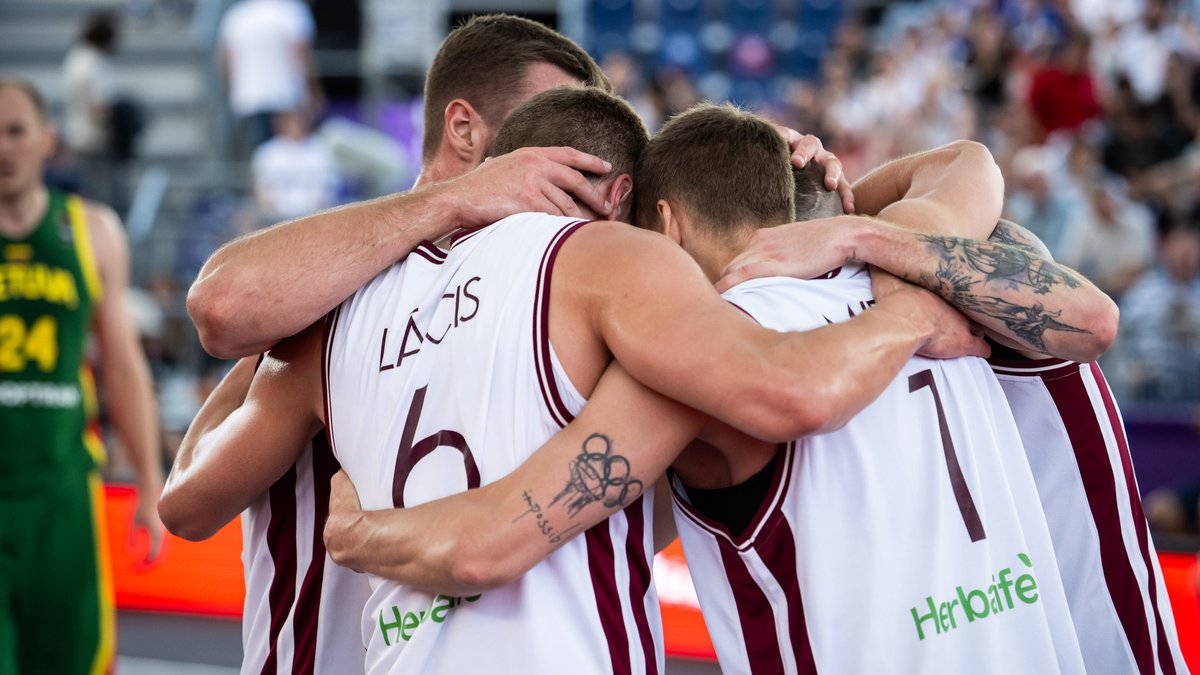
The victory holds particular weight for Lasmanis and teammate Nauris Miezis. With this win, both players have now achieved the “triple crown” of international 3×3 basketball: they have secured every major title available in the category, building on their reputation as the sport’s first Olympic champions. This accomplishment cements their status as the most decorated players in the history of the format, as they have now successfully navigated the competitive landscape from the inaugural Olympic gold in Tokyo to the current world championship status.
For more on this story, see Latvia vs. U.S. Showdown: Tkachuk’s Late Arrival Threatens World Championship Quarterfinal Spot.
Institutional Recognition and Rewards
In recognition of this success, the Ventspils city government has moved to reward the athletes and staff involved. The municipality announced a 5,000 euro cash prize for Lasmanis and a 1,500 euro award for his coach, Gints Fogels. A formal celebratory event is scheduled for Friday, June 12, at 3:00 p.m. near the “Latvija” concert hall, where the city plans to honor the team’s contribution to Latvia’s sports history.
This championship comes after years of near-misses for the Latvian program. The team previously secured silver in 2019 and bronze in 2023, according to Sportacentrs.com. The 2026 win represents the seventh time the team has competed in the World Cup, finally resulting in the top spot on the podium. The consistent presence of the Latvian squad on the podium over the last seven years serves as a benchmark for professional 3×3 development, an area where the Latvian Basketball Association has invested significant resources to maintain the country’s global standing.
The Coaching Philosophy Behind the Win
Raimonds Feldmanis, the team’s coach, emphasized that the team’s success was built on a consistent desire to win despite having already reached the pinnacle of the sport. Reflecting on the motivation required to maintain such a high standard, Feldmanis stated:
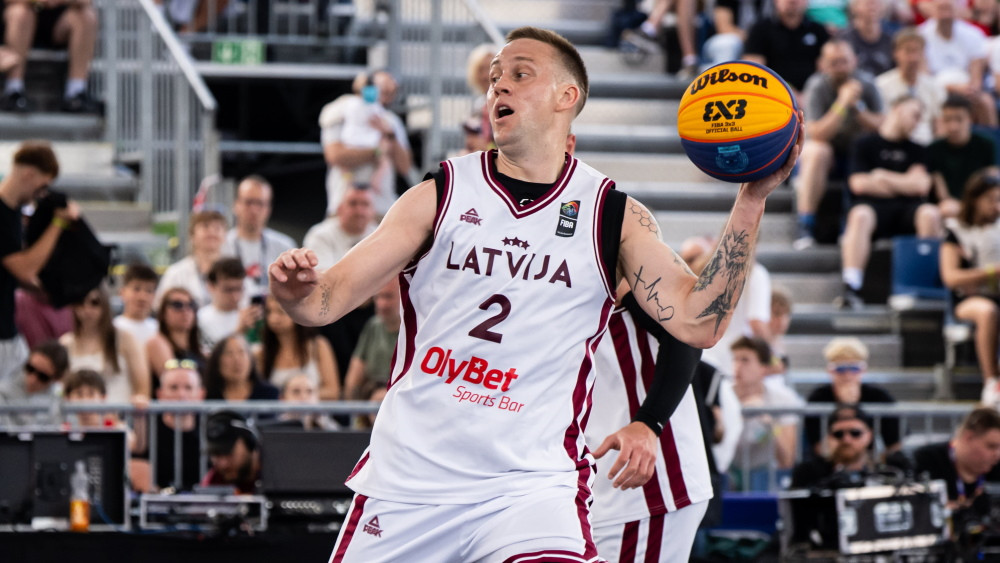
“Kamēr ir apetīte, vēlēšanās vai mērķis… tāpēc mēs arī spēlējam, jo gribas uzvarēt, emocijas spēles laikā un pēc spēlēm, lai būtu tā gandarījuma sajūta.” (As long as there is an appetite, a desire, or a goal… that is why we play, because we want to win, for the emotions during and after the games, to have that feeling of satisfaction.) — Raimonds Feldmanis, via TVNET Sports
Feldmanis noted that the initial loss to the United States was a defining moment for the team’s development, reinforcing the common sports adage that a championship run often requires a single setback to sharpen the focus of the group. As the team looks to the future, the focus remains on maintaining the competitive edge that allowed them to finally break through the barrier of previous silver and bronze finishes. The victory also underscores the importance of the continuity in the Latvian coaching staff, as the integration of veterans like Lasmanis and Miezis with the tactical oversight of Feldmanis has proven to be a durable model for international success in a sport where roster chemistry is often the deciding factor in close-score games.
Find more reporting in our News section.
