
Drought Conditions Threaten Vibrant Fall Foliage Across New York
This year’s fall foliage in New York may be muted and shorter-lived than usual due to prolonged dry weather conditions impacting trees across the state.
More than 40 percent of the United States is currently experiencing drought, more than double the typical amount for this time of year, with the Northeast particularly affected. The combination of drought, unseasonably warm days, and fewer cool nights is causing leaves to brown and drop prematurely, skipping the vibrant color changes the region is known for. “I think it might be a little bit of a short and less colorful season, for the most part,” Brad Rippey, a meteorologist with the U.S. Department of Agriculture, said. “The color is just not going to be there this year for some hillsides.”
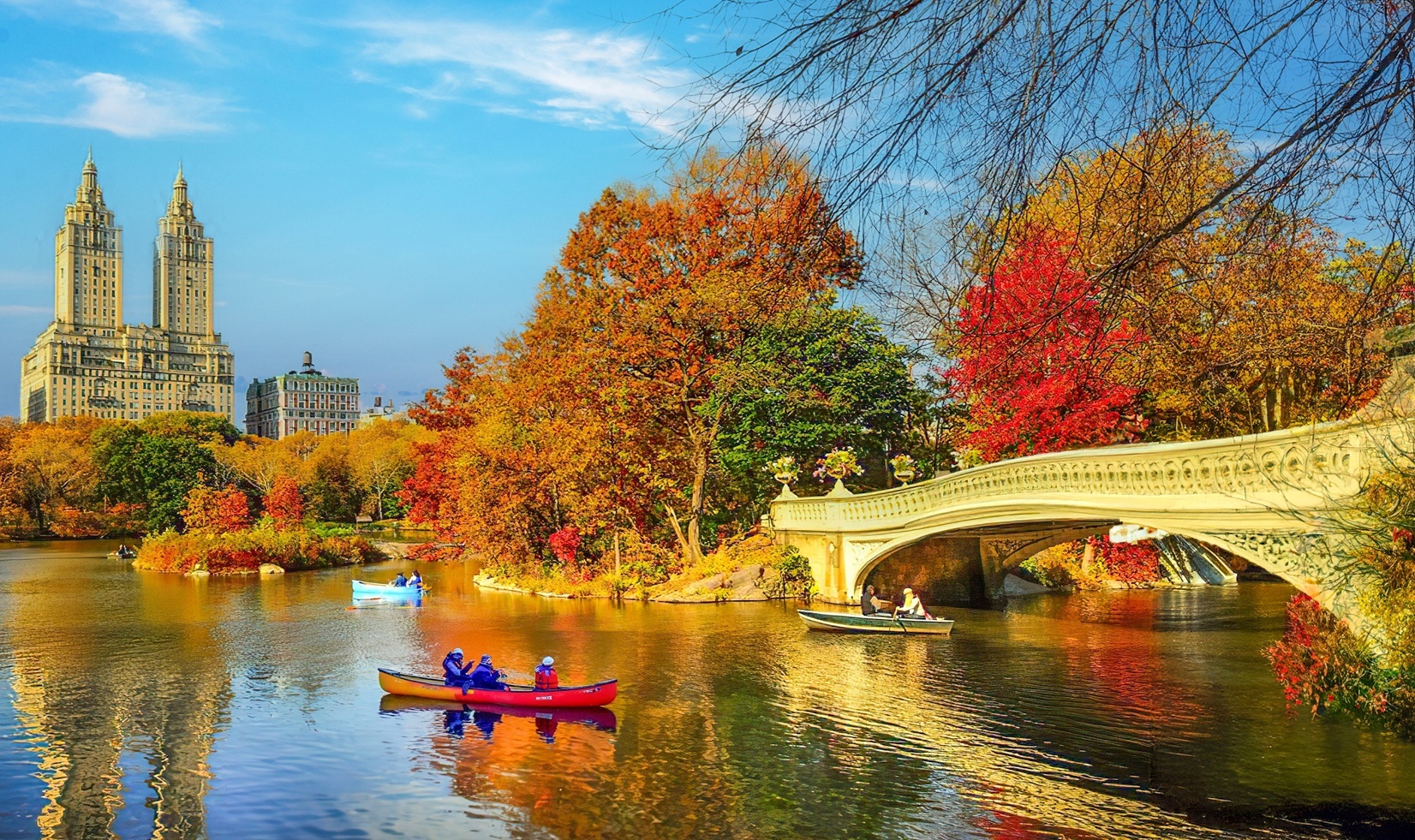
Typically, New York’s foliage peaks in stages, starting with the Adirondacks and moving south to New York City. While some areas, like the Thousand Islands-Seaway region and central New York, are currently at peak color, these displays are expected to be brief. Upstate destinations such as Lake Placid and Ticonderoga have already experienced their peak, and Central Park’s maples and oaks may transition directly from green to bare. This impacts a significant tourism industry that relies on the annual spectacle of fall colors.
Despite the challenges, experts emphasize the resilience of trees. “Our trees and our forests have an inherent resilience,” said Andy Finton, senior conservation ecologist with The Nature Conservancy in Massachusetts. “They are still very resilient and I am constantly surprised at how wonderful the fall season is despite these stresses.” The New York State Parks Department recommends visiting areas north of the city, like Bear Mountain or Harriman State Park, soon to catch any remaining color, with the last displays expected in the five boroughs by early November, led by ginkgos in the West Village. You can also track the color changes with the Central Park fall foliage map.
Officials advise those planning fall excursions to act quickly, as the peak season may be significantly shorter this year.
