
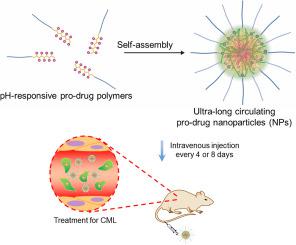
Antibody-guided nanoparticles are advancing as a targeted approach to treat leukemia, with recent research highlighting their potential to improve drug delivery and reduce side effects compared to traditional chemotherapy. According to a 2024 review in the Journal of King Saud University, nanoparticles like dendrimers and liposomes are being tested to specifically attack leukemic cells while minimizing harm to healthy tissues.
Nanoparticles in Leukemia Treatment: Mechanisms and Challenges
Leukemia, a group of cancers affecting blood-forming organs, often develops resistance to conventional therapies, prompting researchers to explore nanotechnology. A 2024 study in PubMed Central explains that nanoparticles can deliver drugs directly to cancer cells, bypassing systemic toxicity. This method addresses the limitations of chemotherapy, which frequently causes bone-marrow suppression and immunosuppression.

However, challenges remain. The Journal of King Saud University notes that blood cancers like leukemia lack the enhanced permeability and retention (EPR) effect seen in solid tumors, making it harder for nanoparticles to accumulate in affected areas. Researchers are working to optimize nanoparticle design to overcome this hurdle.
Clinical Trials and Therapeutic Efficacy
Early-phase clinical trials are evaluating the safety and effectiveness of nanoparticle-based therapies. A 2024 analysis in PubMed Central highlights that these particles can enhance drug bioavailability and target specific molecular pathways in leukemia cells. For example, antibody-conjugated nanoparticles have shown promise in preclinical models by binding to surface markers on leukemic blasts.
Despite these advances, scalability and manufacturing complexities pose barriers. The Journal of King Saud University emphasizes the need for standardized protocols to ensure consistent production and regulatory approval. Current trials focus on improving nanoparticle stability and reducing off-target effects.
Global Impact and Future Directions
Leukemia cases in the U.S. reached 60,650 new diagnoses in 2021, with 23,660 deaths reported that year, according to the Journal of King Saud University. Nanoparticle therapies could reduce these numbers by offering more precise treatment options. Researchers are also exploring combinations with immunotherapy to boost efficacy, as outlined in PubMed Central.
The next phase of research will prioritize long-term safety data and cost-effectiveness. If successful, these treatments could redefine leukemia care, particularly for patients with resistant or relapsed disease. As one study notes, “The integration of nanotechnology into oncology represents a paradigm shift, but rigorous validation is essential before widespread adoption.”
Find more reporting in our Health section.
