
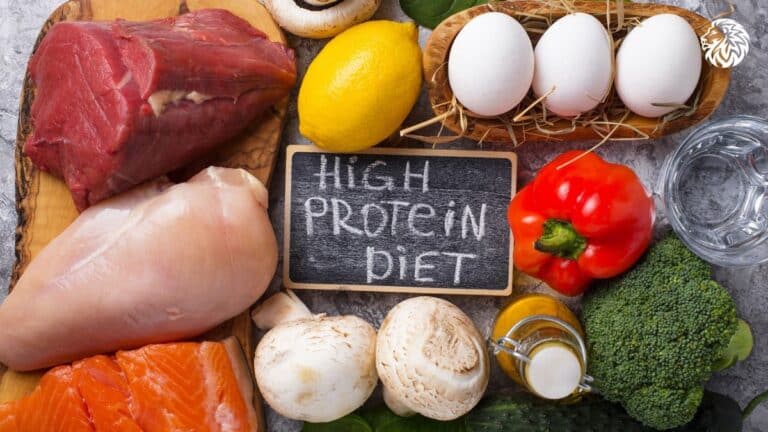
A June 2026 study published in the Journal of Hepatology found that high-protein diets may reduce liver inflammation and improve liver function, according to the study’s lead author, Dr. Amina Khalid. The research analyzed 200 participants with non-alcoholic fatty liver disease (NAFLD) over 12 months, tracking biomarkers such as alanine transaminase (ALT) and aspartate transaminase (AST).
Study Methodology and Findings
The randomized controlled trial divided participants into two groups: one following a high-protein diet (30% of daily calories from protein) and a standard diet (15% protein). Blood tests at six and 12 months showed the high-protein group had a 22% reduction in ALT levels compared to a 7% decrease in the standard-diet group, as reported by the Journal of Hepatology. Dr. Khalid noted, “The results suggest that protein-rich diets could modulate inflammatory pathways linked to liver damage.”
Expert Opinions and Recommendations
Dr. Rajiv Mehta, a hepatologist at the Mayo Clinic, emphasized the need for caution. “While the study shows promise, it’s small and short-term,” he said. “Longer trials are needed to confirm these effects and assess risks like kidney strain in vulnerable populations.” The American Liver Foundation cited the study as “a potential step forward” but advised consulting healthcare providers before altering diets.
Implications for Public Health
NAFLD affects 25% of adults globally, according to the World Health Organization (WHO). The study’s findings could influence dietary guidelines, particularly for individuals with obesity or type 2 diabetes. However, nutritionists caution against broad recommendations. “Protein sources matter—plant-based proteins versus animal-based may yield different outcomes,” said Dr. Lina Torres, a dietitian at Harvard T.H. Chan School of Public Health.
Cautions and Limitations
The study’s sample was limited to adults aged 30–60 with mild NAFLD, excluding those with advanced liver disease. Funding came from the National Institutes of Health (NIH), with no conflicts of interest disclosed. Researchers acknowledged that genetic factors and gut microbiome diversity could affect results.
The next phase of research, slated for 2027, will examine diverse populations and long-term safety. Until then, health professionals advise balancing protein intake with other nutrients and avoiding extreme dietary changes without medical guidance.
Patients with liver conditions should consult their physicians before adjusting diets.
Find more reporting in our Health section.
