
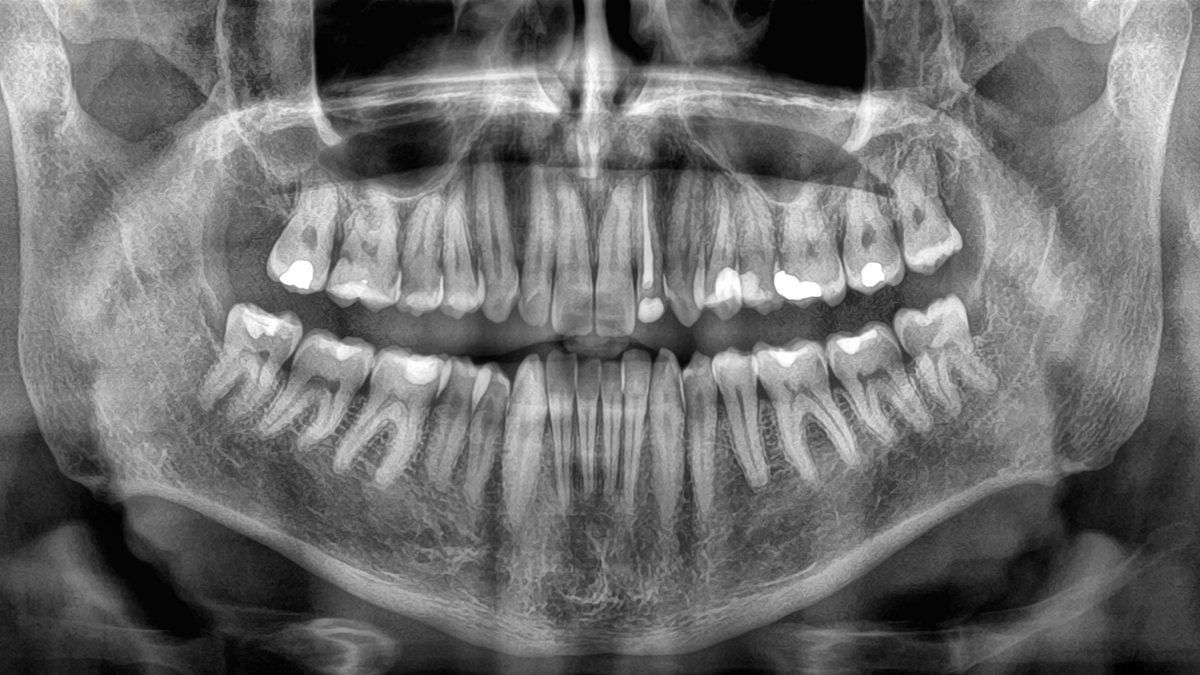
Rapid Tooth Loss Linked to Increased Mortality Risk in Elderly, Study Finds
A new study published today, October 19, 2025, reveals a significant link between the speed of tooth loss in older adults and an increased risk of death, highlighting the importance of oral health as a potential indicator of overall well-being.
Researchers from Sichuan University in China tracked tooth loss and mortality rates among 8,073 elderly individuals over an average of 3.5 years. Their findings, published in BMC Geriatrics, demonstrate that a more rapid progression of tooth loss significantly increased the risk of all-cause mortality, regardless of the initial number of teeth. This connection remained even after accounting for factors like sex, age, education, lifestyle habits, and exercise levels.
The study does not suggest that tooth loss directly causes death, but rather that underlying health issues contributing to faster tooth loss may also be impacting lifespan. Poor oral health is already known to be connected to conditions like heart disease and cognitive decline, and this research suggests it could be a more comprehensive indicator of overall health than previously understood. “Among older adults, the risk of all-cause mortality significantly increased with a more rapid progression of tooth loss, regardless of baseline tooth count,” the researchers wrote in their published paper.
Researchers point to factors like inflammation, dietary deficiencies due to difficulty chewing, obesity, and psychological distress as potential links between tooth loss and increased mortality. Regular dental checkups, twice-daily brushing, and avoiding smoking are all recommended to maintain good oral health and potentially improve longevity, as discussed in resources from the American Dental Association. The team emphasizes the need for healthcare professionals to monitor tooth loss progression as a potential indicator of broader health risks.
The researchers are advocating for increased awareness of the potential health implications of rapid tooth loss and further investigation into the underlying mechanisms driving this correlation.
