
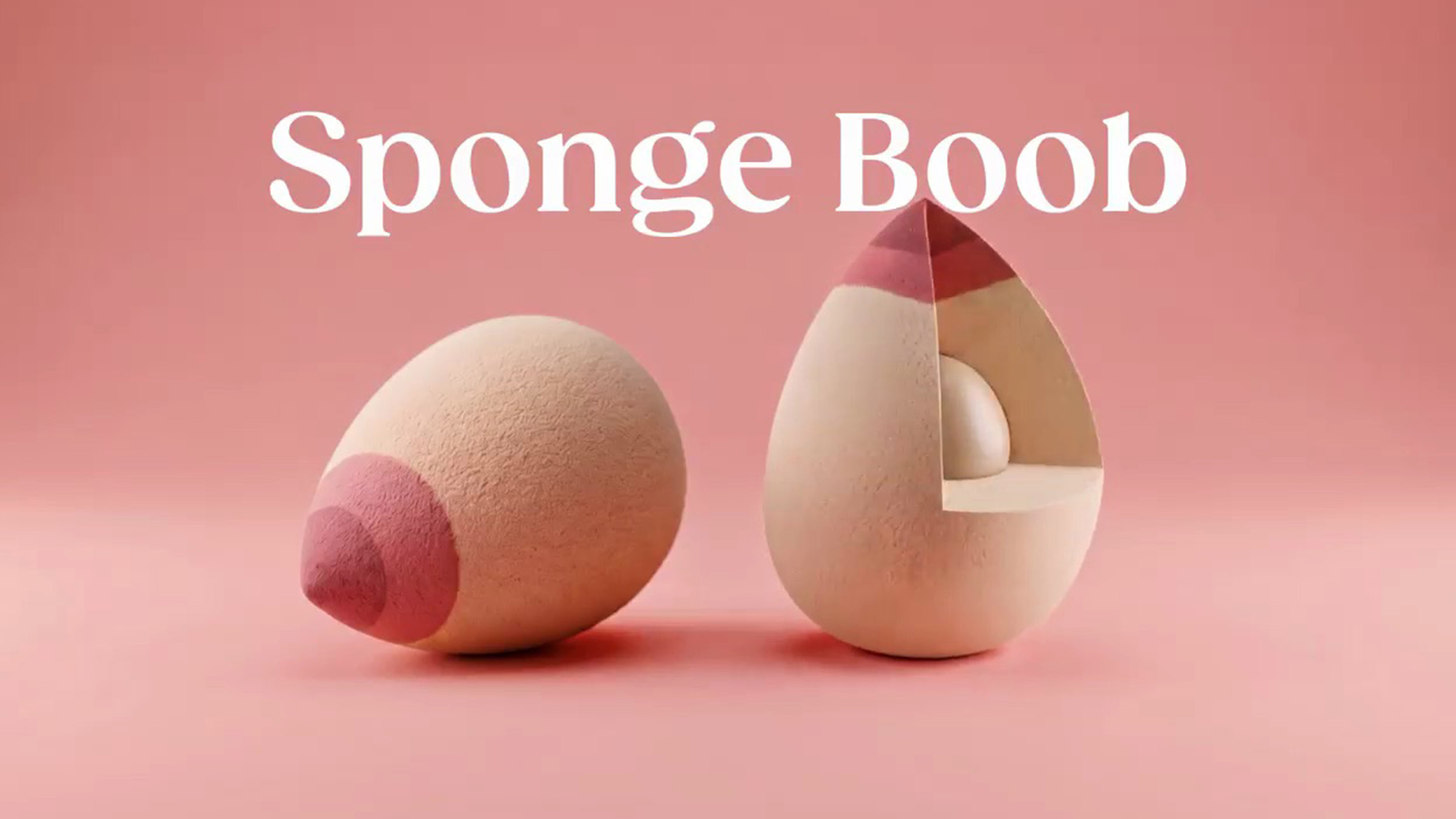
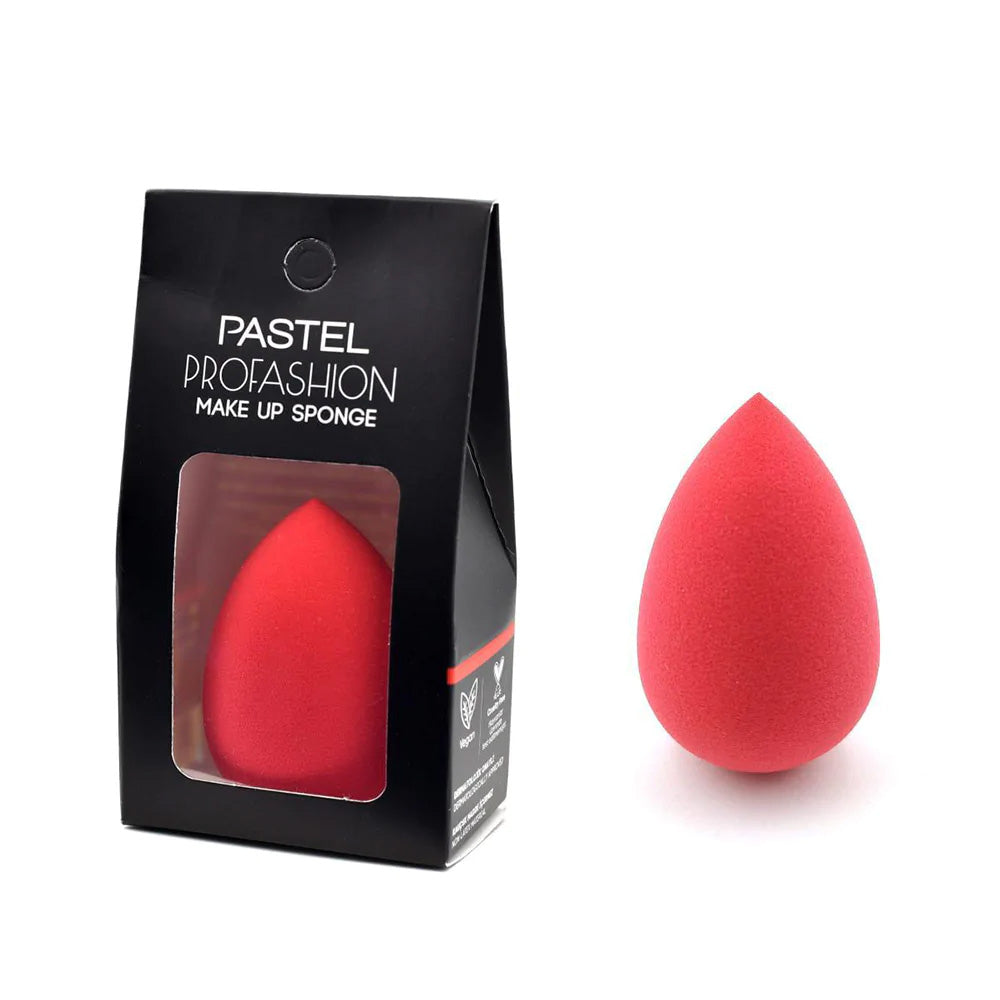
In an effort to integrate life-saving health screenings into daily routines, Pastel Cosmetics has launched a novel awareness tool called the “Sponge Boob.” The makeup sponge is designed to simulate the tactile sensation of a tumor, serving as a sensory reminder for women to perform regular breast self-examinations.
Turning Beauty Routines Into Prevention Reflexes
The initiative aims to address a critical gap in public health: the frequent neglect of regular self-palpation. By repurposing a common beauty tool, Pastel Cosmetics seeks to transform a banal daily habit into a proactive health reflex without requiring additional time or effort from the user.
The “Sponge Boob” leverages its natural shape—which already mirrors that of a breast—to create an immediate visual parallel. However, the primary innovation is internal; the sponge contains a hidden, hardened zone that mimics the feel of a potential mass or tumor. This unsettling tactile experience is intended to prompt the user to immediately replicate the sensation on their own body, encouraging them to check for abnormalities.
The Global and Regional Impact of Breast Cancer
The campaign arrives as breast cancer continues to be the most prevalent cancer among women worldwide. The need for heightened awareness is particularly acute in certain regions; for instance, in Turkey, breast cancer accounts for one in four cancer cases diagnosed in women.
By shifting away from traditional awareness campaigns and instead embedding the message into a physical object used every day, the brand hopes to make early detection a more intuitive part of wellness. This tactile approach to awareness underscores the importance of early detection, as regular self-exams can be a vital first step in identifying symptoms and seeking medical intervention.
Such innovative strategies in public health communication are essential for overcoming the inertia often associated with preventative screenings, potentially leading to earlier diagnoses and improved patient outcomes.
