
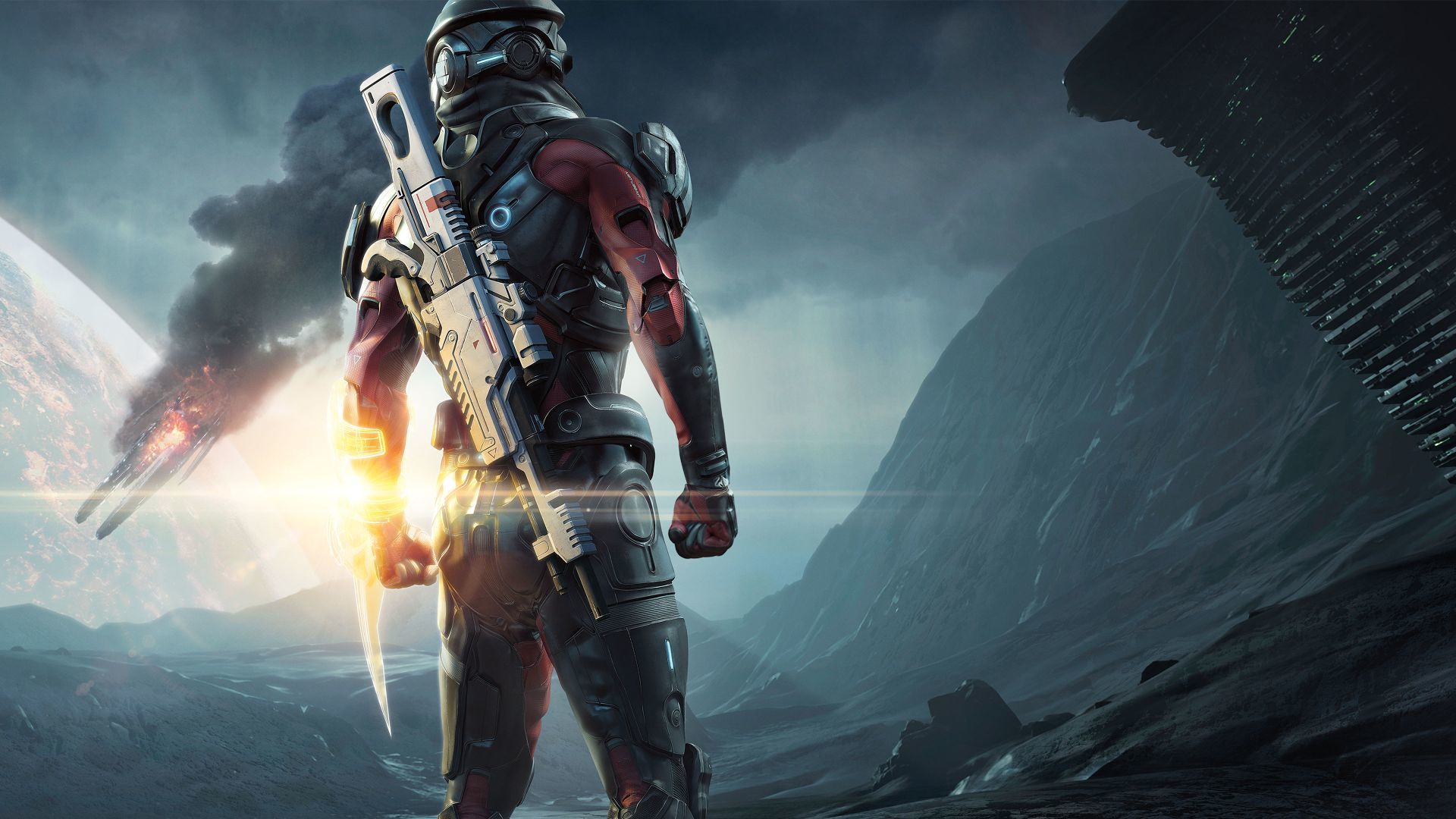
When Mass Effect: Andromeda launched in 2017, it was meant to be the start of a bold new chapter for the beloved sci-fi franchise. Instead, the game quickly became a lightning rod for online criticism, leaving its cast—and particularly its lead voice actor—caught in the crossfire of an unexpected backlash. Nearly a decade later, Tom Taylorson, the actor behind the male version of protagonist Ryder, is reflecting on how swiftly the game’s reputation soured—and how that moment reshaped his career.
In a recent interview with We Are Mass Effect, Taylorson described the experience as both a professional high and a personal whiplash. “Hands down one of the best things I’ve ever worked on,” he said, recalling the initial excitement of bringing Ryder to life. But that enthusiasm was short-lived. Almost overnight, Andromeda became what Taylorson bluntly called “the punching bag of the week for online chuds,” a reference to the game’s harsh reception among vocal segments of the gaming community.
The fallout was immediate. Despite the franchise’s storied history—spanning three critically acclaimed mainline titles and a loyal fanbase—Andromeda faced relentless scrutiny over its animation glitches, repetitive missions, and perceived lack of polish. For Taylorson, the backlash wasn’t just about the game’s flaws; it was about the way the internet’s rapid-fire judgment culture could derail years of creative work in an instant. “I thought I’d have a decade with this character,” he admitted. “That future was wiped away in a weekend.”
The experience underscores a growing tension in the gaming industry: the gap between developer ambitions and player expectations, amplified by the speed and scale of online discourse. Whereas Andromeda has since found a second life among some fans—who praise its expansive worlds and ambitious scope—the game’s rocky launch remains a cautionary tale about the pressures of modern game development. For Taylorson, it was a lesson in the volatility of digital fame, where even a role in a major franchise can vanish in the blink of an algorithm.
Looking back, Taylorson’s perspective is tinged with both frustration and resilience. The game’s reception didn’t just affect sales or reviews; it altered the trajectory of a character—and an actor’s connection to him—before either had a chance to fully evolve. “It’s weird to think about what could’ve been,” he reflected, “but at least I got to be part of something that mattered to people, even if it was for all the wrong reasons.”
For the tech and gaming industries, Andromeda’s story is a reminder of how quickly public perception can shift—and how fragile creative projects can be in an era of instant feedback. As games grow more complex and development cycles stretch longer, the stakes for getting it right on launch day have never been higher. Taylorson’s experience is a microcosm of that pressure: a single role, a single game, and the weight of an entire community’s expectations collapsing in real time.
