

NATO Military Spending Hits Highest Growth Rate Since 1953
NATO member states collectively increased their defense budgets last year at the fastest pace in nearly seven decades, according to new alliance data, marking a dramatic shift in military investment amid escalating global security threats.
The surge in spending—confirmed by NATO’s latest financial report—represents the sharpest annual rise since 1953, a period when the alliance was still solidifying its Cold War-era defense posture. The development comes as member nations face mounting pressure to meet long-standing spending commitments while navigating an increasingly volatile international landscape.
According to the report, total military expenditures across NATO’s 32 member countries reached $1.38 trillion in 2025, a 12.1% increase from the previous year. The growth rate outpaced all other annual increases since the alliance’s early years, when the U.S. And its European partners were rapidly expanding their defense capabilities in response to Soviet expansion.
“This is not just a statistical milestone—it reflects a fundamental recalibration of how NATO views its security environment,” said a senior alliance official, speaking on condition of anonymity. “The threats we face today are more complex and interconnected than at any time since the fall of the Berlin Wall.”
Spending Surge Driven by Eastern Flank Concerns
The report highlights that the bulk of the increase came from nations along NATO’s eastern flank, where concerns over regional stability have intensified in recent years. Poland, the Baltic states, and several Central European countries led the charge, with some nations allocating more than 3% of their GDP to defense—well above the alliance’s 2% benchmark.
Poland, for instance, saw its military budget jump by 28% in 2025, the largest single-year increase among NATO members. The country’s defense minister attributed the spike to “the demand to modernize our armed forces and strengthen deterrence in an era of heightened uncertainty.”
Meanwhile, Germany—long criticized for lagging behind its spending commitments—announced a 14% boost to its defense budget, the largest increase in decades. The move follows years of debate within the country over its role in collective security, particularly in the wake of shifting geopolitical dynamics.
“The era of underinvestment in our defense is over. The security challenges we face demand a new approach, and that starts with meeting our obligations to the alliance.”
German Defense Minister Boris Pistorius
U.S. Remains Largest Contributor, But European Allies Step Up
The United States continued to account for the largest share of NATO’s total military spending, contributing nearly 70% of the alliance’s collective budget. However, the report notes that European members and Canada collectively increased their defense expenditures by 18% in 2025, the highest growth rate among the alliance’s regional groupings.
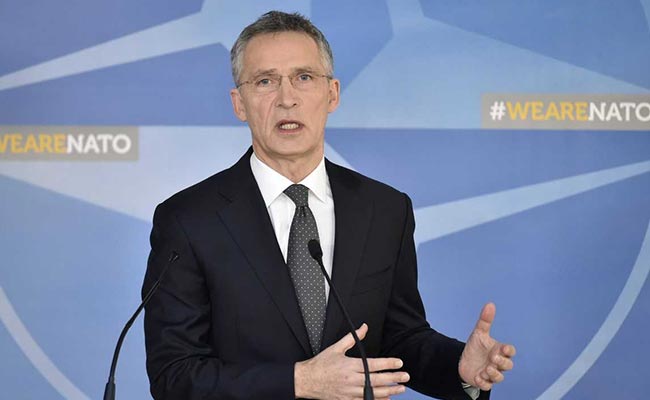
NATO Secretary General Jens Stoltenberg emphasized the significance of the trend during a press briefing last week. “This is not just about numbers—it’s about capabilities,” he said. “When our members invest in defense, they are investing in the security of every ally. The stronger we are together, the safer we all become.”
The spending surge has also fueled discussions about NATO’s long-term strategic priorities, including the modernization of its command structure and the integration of emerging technologies like artificial intelligence and hypersonic weapons. Some analysts suggest the increased budgets could accelerate these initiatives, though others caution that sustained investment will be necessary to translate financial commitments into tangible military readiness.

Historical Context: Why 1953 Matters
The last time NATO saw a comparable spike in military spending was in 1953, a year marked by heightened Cold War tensions. That period saw the alliance formalize its command structure under General Dwight D. Eisenhower, who became the first Supreme Allied Commander Europe. The parallel underscores how current spending trends reflect not just immediate security concerns but also a broader reassessment of NATO’s role in a multipolar world.
“The 1953 increase was about building a deterrent against a single, clear adversary,” said a defense analyst familiar with NATO’s historical spending patterns. “Today’s spending surge is about preparing for a more fragmented and unpredictable security landscape—one where threats can emerge from multiple directions and domains.”
What’s Next for NATO?
With the alliance’s annual summit approaching in June, defense ministers are expected to discuss how to sustain the momentum of last year’s spending increases. Key topics on the agenda include the integration of new members, the development of a unified cyber defense strategy, and the allocation of resources for next-generation military technologies.
For now, the data suggests that NATO’s members are taking their defense commitments more seriously than they have in decades. Whether this trend will translate into lasting security gains—or simply reflect a temporary response to immediate crises—remains an open question. What is clear, however, is that the alliance’s financial landscape has shifted in ways not seen since its earliest days.
