
Are we truly progressing towards a more just society in the wake of recent events? This article examines future trends in policing, social justice, and urban advancement, offering insights into the evolving landscape of reform. Discover the challenges and opportunities that lie ahead as we delve into the complexities of creating equitable and thriving communities through data-driven strategies and community-led development.
Table of Contents
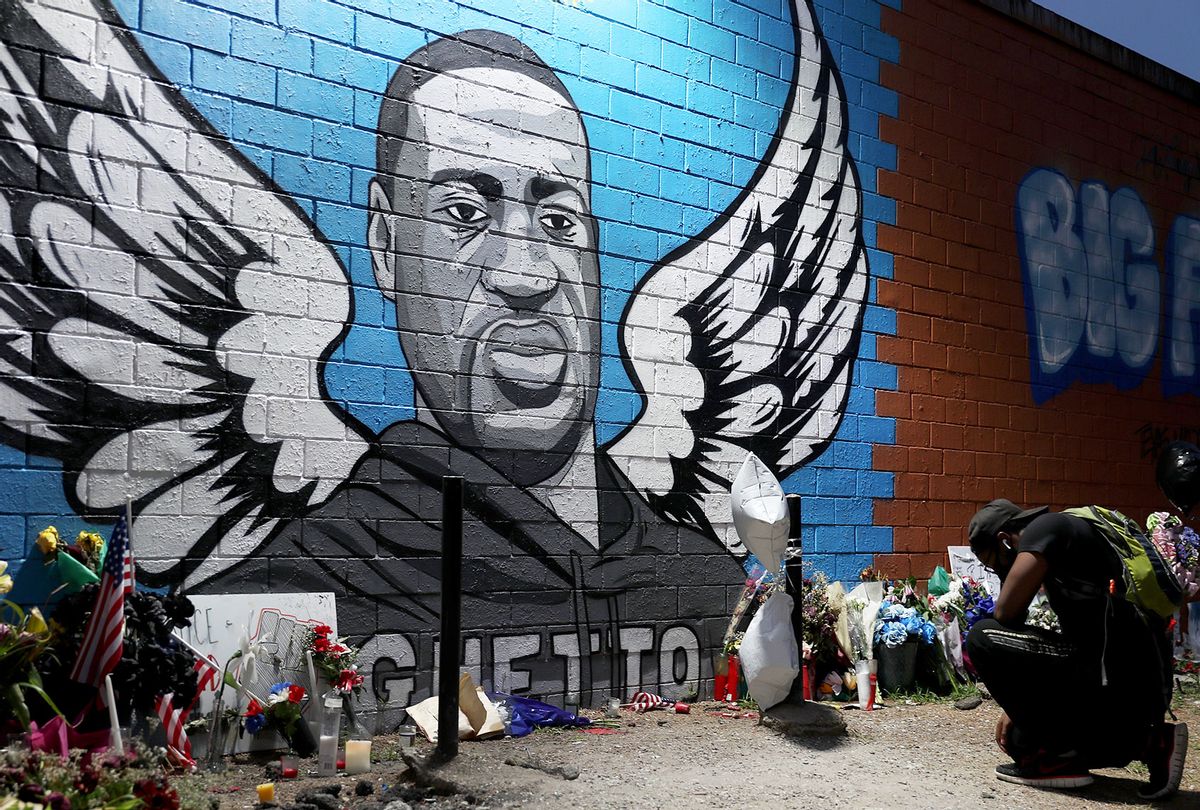
the events following the murder of George Floyd in Minneapolis sparked a global conversation about policing,racial inequality,and urban development.While the initial outcry brought about pledges of reform, the reality on the ground often tells a more complex story.This article delves into the potential future trends emerging from this ongoing struggle, examining the challenges and opportunities that lie ahead.
The Evolution of Policing: Beyond Reform
The concept of “police reform” has become a catch-all phrase,but what does it truly entail? in the coming years,we can expect to see a shift towards more nuanced approaches. This includes:
- Data-Driven Strategies: Law enforcement agencies will increasingly rely on data analytics to identify patterns of misconduct, allocate resources effectively, and measure the impact of their policies. This will require greater clarity and accountability in data collection and analysis.
- Community-Based Policing 2.0: The focus will move beyond simply building relationships to actively involving communities in decision-making processes. This means co-creating public safety strategies and ensuring that community voices are heard and valued.
- Choice Response Models: Cities will explore alternatives to traditional policing for non-violent incidents, such as mental health crises or substance abuse calls. This could involve deploying social workers, mental health professionals, or trained mediators.
Pro Tip: Cities that invest in de-escalation training and implicit bias awareness programs for officers are more likely to see positive outcomes in community relations.
racial Justice and Systemic Change: The Long Game
The fight for racial justice is not a sprint; it’s a marathon. The future will likely see:
- Economic Equity Initiatives: Addressing racial inequality requires tackling economic disparities. This includes investing in affordable housing, job training programs, and access to capital for minority-owned businesses.
- Criminal Justice Reform: Efforts to reduce mass incarceration, eliminate mandatory minimum sentences, and address racial bias in the justice system will continue.
- Truth and Reconciliation processes: Some communities may explore truth and reconciliation commissions to acknowledge past injustices and begin the healing process.
Did you know? Studies have shown that investing in early childhood education can significantly reduce the achievement gap and improve long-term outcomes for marginalized communities.
Urban Development and the Future of Cities
The events of 2020 highlighted the importance of equitable urban development.Future trends include:
- Equitable Housing Policies: Cities will need to address the housing crisis by promoting affordable housing options, combating gentrification, and ensuring that all residents have access to safe and stable housing.
- Community-led Development: Empowering communities to shape their own neighborhoods will be crucial. This includes supporting local businesses, promoting cultural preservation, and ensuring that development benefits all residents.
- Green Spaces and Environmental justice: Creating more green spaces and addressing environmental hazards in underserved communities will be a priority.
Case Study: The city of Greensboro, North Carolina, has implemented a community-led planning process to revitalize its downtown area, resulting in increased economic activity and improved quality of life for residents.
The Role of Media and Public discourse
The media plays a critical role in shaping public perception and influencing policy. We can expect to see:
- Increased Media Literacy: Citizens will become more discerning consumers of details,critically evaluating sources and identifying misinformation.
- Diverse Storytelling: Media outlets will prioritize diverse voices and perspectives, ensuring that marginalized communities are accurately represented.
- Accountability Journalism: Investigative journalism will continue to hold power accountable, exposing corruption and injustice.
reader question: How can individuals support independent journalism and promote accurate reporting?
Frequently Asked Questions
Q: What is the most important step towards police reform?
A: Building trust between law enforcement and the communities thay serve through transparency, accountability, and community engagement.
Q: How can I support racial justice in my community?
A: Educate yourself, support organizations working for change, and advocate for policies that promote equity.
Q: What role does urban development play in social justice?
A: Equitable urban development ensures that all residents have access to opportunities and resources, reducing disparities and promoting social cohesion.
Q: How can I stay informed about these issues?
A: Follow reputable news sources, engage in respectful dialogue, and support organizations working for positive change.
The path towards a more just and equitable society is long and complex. By understanding the emerging trends and actively participating in the conversation, we can work towards a future where all communities thrive.
Want to stay informed about these critical issues? subscribe to our newsletter for updates and insights! Share your thoughts in the comments below.
