
United States military forces launched a series of strikes against Iranian targets on June 9, 2026, following the reported downing of a U.S. Army Apache helicopter near the Strait of Hormuz. The escalation, which included retaliatory Iranian drone and missile strikes on regional U.S. facilities, marks a significant intensification of hostilities between the two nations.
The Downing of the Apache and U.S. Retaliation
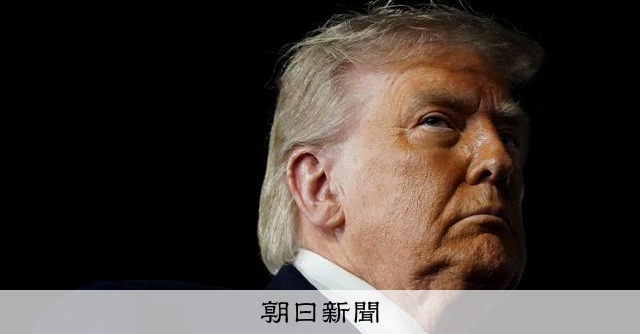
The conflict began on the night of June 8 when an American Apache helicopter was shot down near the Strait of Hormuz. According to The Asahi Shimbun, President Trump confirmed the incident via social media, stating that the two crew members survived the crash but that a military response was unavoidable.
U.S. Central Command (CENTCOM) subsequently announced that it had completed a “self-defense” bombing operation targeting Iranian defensive positions, including ground control stations and radar facilities near the Strait. While the U.S. military maintained the strikes were a proportionate response to threats against international shipping, an unnamed U.S. official told Fox News that approximately 20 locations within Iran were hit during the operation. Local reports from the Islamic Revolutionary Guard Corps-affiliated Tasnim News Agency indicated damage to communication towers and storage tanks in areas such as Sirik and Qeshm Island.
The Strait of Hormuz remains one of the world’s most critical maritime chokepoints, through which a significant portion of global oil transit passes. The presence of U.S. military assets in this region is traditionally intended to maintain “freedom of navigation,” a policy that frequently brings American forces into direct proximity with Iranian maritime and aerial patrols. The downing of a U.S. military aircraft represents a rare and high-stakes breach of the established, albeit tense, status quo that typically governs these encounters.
Iranian Counter-Strikes on U.S. Facilities
Iran responded to the U.S. bombardment with a series of its own attacks. Reports suggest that more than 20 U.S. military-related sites across neighboring countries were targeted by Iranian drones and missiles. According to The Asahi Shimbun, these targets included the U.S. Navy’s Fifth Fleet in Bahrain and various air bases in Jordan.

Despite the breadth of these retaliatory measures, TBS NEWS DIG reports that the damage to regional nations appears to be limited. While Iran has issued rhetoric promising to “respond more powerfully,” analysts are currently observing whether the strikes remain within a “restrained” threshold to avoid a wider, uncontrollable regional war. In the context of Middle Eastern security, Iran often utilizes proxies and localized missile capabilities to signal resolve without necessarily triggering a full-scale conventional war that could threaten the survival of its domestic infrastructure.
For more on this story, see US Launches Strikes on Iran Amid Tehran’s Helicopter Downing.
The Attack on the M/V Marivex
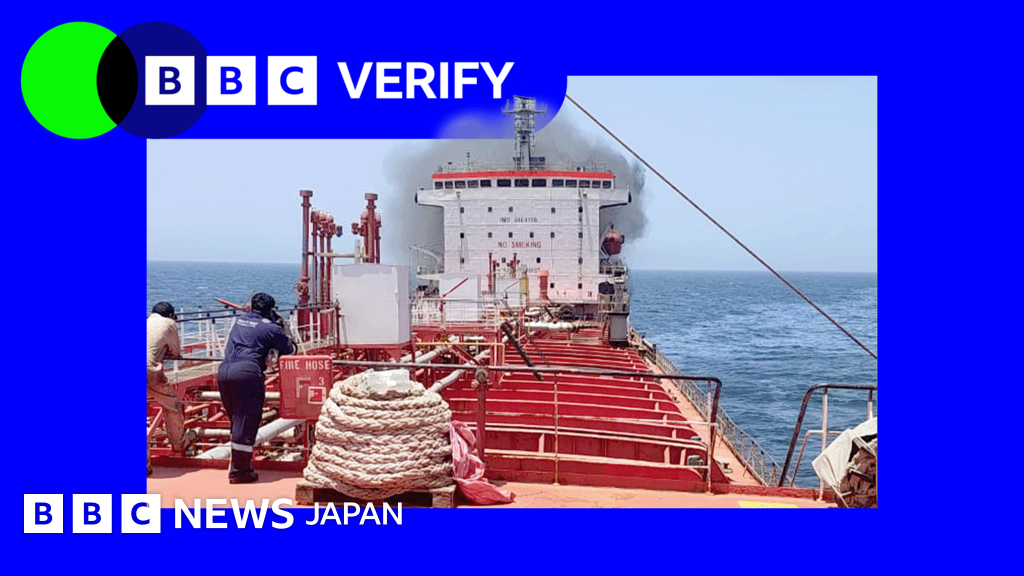
Tensions in the region were already heightened by a separate confrontation involving a petroleum tanker on June 8. U.S. forces disabled the Palau-flagged vessel Marivex off the coast of Oman, citing violations of the ongoing U.S. maritime blockade of Iran. As reported by the BBC, U.S. Central Command confirmed that F-18 Super Hornet fighter jets launched “precision munitions” at the ship’s engine room and bridge after the crew failed to follow instructions.
The 24 Indian crew members aboard the Marivex were rescued by the Omani military. Audio provided to the BBC by the Forward Seamen’s Union of India captured the crew’s urgent distress calls as the ship began to catch fire and sink. U.S. officials maintain that the Marivex was attempting to reach an Iranian port to load fuel, marking the seventh vessel disabled by the U.S. under its current enforcement policy.
The sinking of the Marivex highlights the complexities of modern maritime interdiction. Under international maritime law, military actions against commercial shipping are strictly regulated. The United States maintains that its blockade is a necessary tool of national security policy, while nations with ties to the affected crews—in this case, India—often find themselves in the difficult position of navigating the diplomatic fallout of their citizens being caught in the crossfire of great power competition.
Geopolitical Implications and Future Outlook
The rapid succession of the Marivex incident and the subsequent loss of the U.S. helicopter has created a volatile security environment in the Persian Gulf. With both Washington and Tehran engaging in direct military action, the prospects for diplomatic resolution appear increasingly distant.

Military analysts are now watching for signs of further escalation, particularly regarding the safety of international shipping lanes and the stability of U.S. bases in the Middle East. The involvement of regional hosts, such as Bahrain and Jordan, adds a layer of diplomatic complexity, as these nations must balance their security partnerships with the United States against the risk of becoming collateral damage in an Iran-U.S. conflict. As of June 10, the situation remains fluid, with international observers closely monitoring both the immediate physical damage from the strikes and the potential for a broader conflict cycle to take hold in the coming days.
The strategic stakes remain high. For the United States, the focus remains on enforcing the blockade and demonstrating that its military assets in the region are not vulnerable to Iranian aggression. For Iran, the strikes are framed as a defense of national sovereignty and a rejection of American pressure. The next several days will be critical in determining whether these tit-for-tat exchanges lead to de-escalation or whether the current cycle of violence will expand into a more systemic regional confrontation.
Find more reporting in our World section.
