
Belgium to Introduce Prison Sentences for Encouraging Minors to Die by Suicide
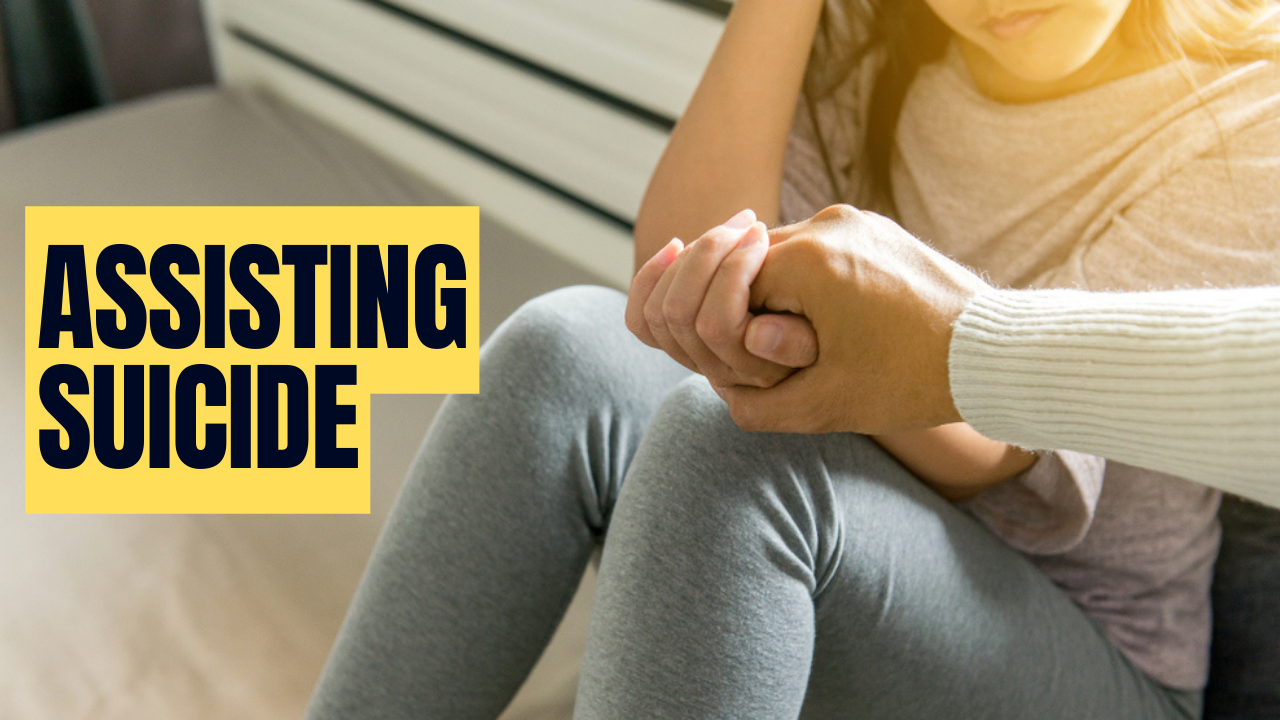
Starting September 1, Belgium will impose prison sentences on individuals found guilty of encouraging minors to take their own lives, as part of a broader effort to address rising concerns over youth mental health and online exploitation.

The new legislation, approved by the Belgian parliament, targets those who “incite, assist, or facilitate” suicide among individuals under 18. Offenders could face up to five years in prison, according to government officials. The measure comes amid growing alarm over the influence of social media and online forums on vulnerable young people.
“This law sends a clear message that we will not tolerate those who prey on the most vulnerable in our society,” Justice Minister Paul Van Tigchelt said in a statement. “Protecting minors from harmful influences—both online and offline—is a priority for this government.”
The decision follows a series of high-profile cases in Belgium involving young people who died by suicide after reportedly being exposed to harmful content or encouragement online. While the law does not explicitly target specific platforms, it reflects broader concerns about the role of digital spaces in exacerbating mental health crises among adolescents.
Critics, however, argue that the law may be difficult to enforce, particularly in cases involving anonymous online interactions. Some mental health advocates have also raised concerns that the measure could discourage open discussions about suicide prevention, fearing that individuals might hesitate to seek aid if they believe they could be criminally liable.
“We need to strike a balance between protecting young people and ensuring that those who need help aren’t afraid to ask for it,” said Dr. Sophie Dutordoir, a child psychologist based in Brussels. “Punitive measures alone won’t solve the underlying issues driving these tragedies.”
The law also arrives at a time when Belgium is grappling with broader debates over euthanasia and mental health care for minors. Earlier this year, a 17-year-old made headlines after requesting euthanasia due to unbearable psychological suffering, reigniting discussions about the country’s approach to end-of-life care for young people.
Under the new legislation, prosecutors will be required to demonstrate intent to encourage or facilitate suicide, rather than merely documenting the presence of harmful content. Legal experts say this distinction will be critical in determining the law’s effectiveness and fairness.
“The challenge will be proving that someone actively pushed a minor toward suicide, rather than simply sharing distressing content,” said criminal law professor Marc Nevens of the University of Leuven. “This law will test how well our justice system can adapt to the complexities of the digital age.”
Belgium’s move follows similar efforts in other European countries to address online harm. In the Netherlands, for example, a 2023 law introduced penalties for individuals who share self-harm content with minors, while France has tightened regulations around social media platforms to combat cyberbullying and harmful algorithms.
As the September 1 implementation date approaches, Belgian authorities say they will launch public awareness campaigns to educate parents, educators, and young people about the new law and its implications. Mental health organizations, meanwhile, are calling for increased funding for suicide prevention programs and crisis intervention services.
“Laws like this are a step in the right direction, but they must be part of a larger strategy that includes better mental health care, education, and support for families,” said a spokesperson for the Belgian Association for Suicide Prevention. “We can’t afford to wait until another tragedy occurs to take action.”
The case underscores the urgent need for policymakers to address the intersection of mental health, digital safety, and legal accountability—a challenge that extends far beyond Belgium’s borders.
