
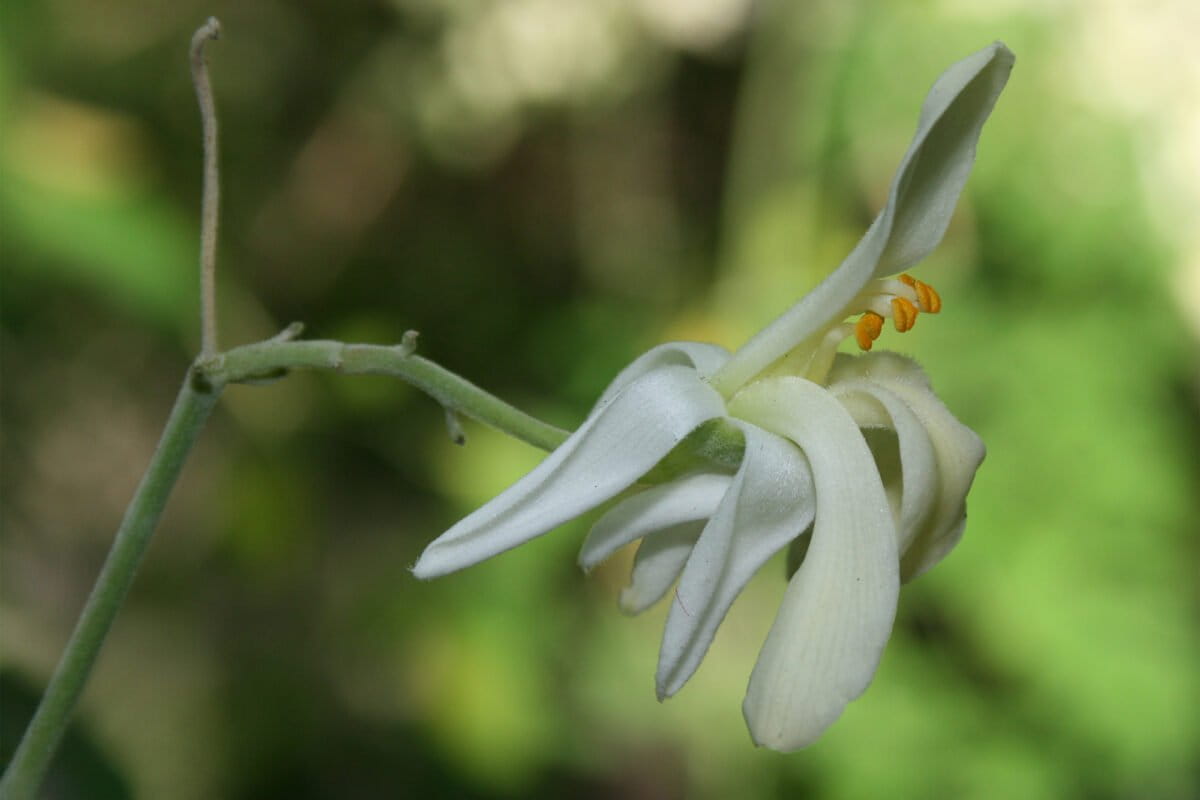
Moringa Plant Vital to Traditional Medicine in DRC Faces Threats from Conflict and Logging
Goma, Democratic Republic of Congo – A plant with deep roots in traditional medicine, moringa, is playing a crucial role in healthcare access within the Kivu region of the DRC, but its future is threatened by ongoing conflict and unsustainable logging practices.
For generations, healers in the DRC have utilized all parts of the moringa tree – roots, trunk, and leaves – to treat a wide range of ailments, including diabetes, muscle pain, and sexual dysfunction. Mugisho Jacques, a resident of South Kivu, testified to regaining normal sexual function after a month of treatment with moringa roots administered by a traditional healer, stating, “I couldn’t afford to go to a modern hospital…thanks to this treatment, my life has changed.” The plant’s versatility extends beyond medicinal uses; it also acts as a natural fertilizer, according to healer Jackeline Muderwa.
Healer Henry Tazama, practicing for 19 years in Goma, considers moringa a “legacy,” integrating it into his treatments for conditions like diabetes and infections. He noted the leaves are often boiled and consumed as tea, while roots are dried and added to infusions, with visible results often appearing within 2-4 weeks. However, Tazama also emphasizes the need to balance traditional practices with modern medicine, having received specialized training in Rwanda. The increasing scarcity of moringa around Goma, due to uncontrolled logging and unsuitable soil conditions, is a growing concern, prompting some healers to cultivate the plant in their home gardens. Access to healthcare remains a significant challenge in the DRC, making locally sourced remedies like moringa particularly important; according to the World Health Organization, the DRC faces critical shortages of healthcare workers and infrastructure.
Currently, moringa is sourced from Uvira and Tanzania due to insecurity in the Beni region, where it was once abundant. Officials are urging for increased awareness and sustainable cultivation practices to protect this valuable resource. Tazama concluded, “It is time to protect and promote it,” emphasizing the plant’s potential for healing and sustainable health solutions.
