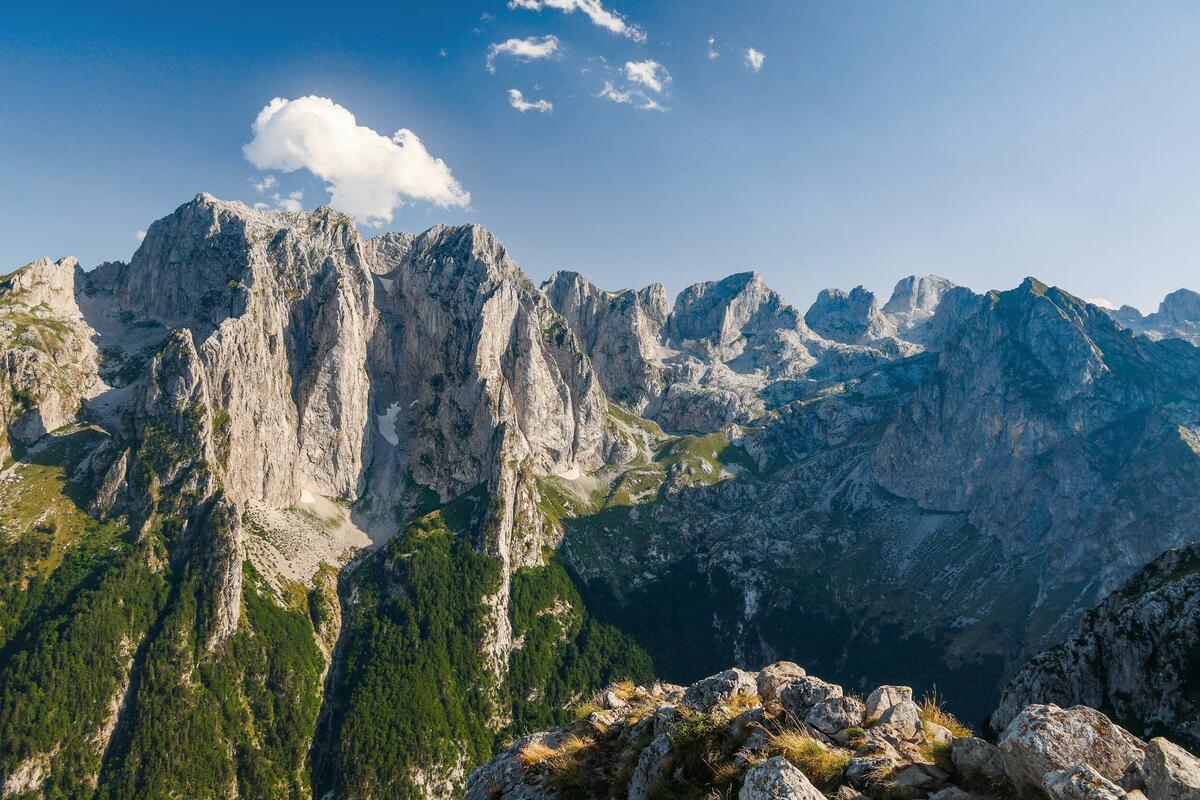
A 27-year-old Serbian mountaineer died after falling from a cliff near the Grebajski Zastan shelter in Albania’s section of the Prokletije Mountains on Saturday, June 6, 2026, with rescue efforts suspended overnight due to extreme conditions. The victim, identified only by initials S.R. in official reports, was part of a group of three Serbian hikers who triggered an emergency call after the incident around 1:11 PM local time. While the rescue operation faced technical setbacks—including a forced helicopter landing due to mechanical failure—the search continues as authorities confirm the woman’s death while still searching for her body.
Who Was Involved and What Happened?
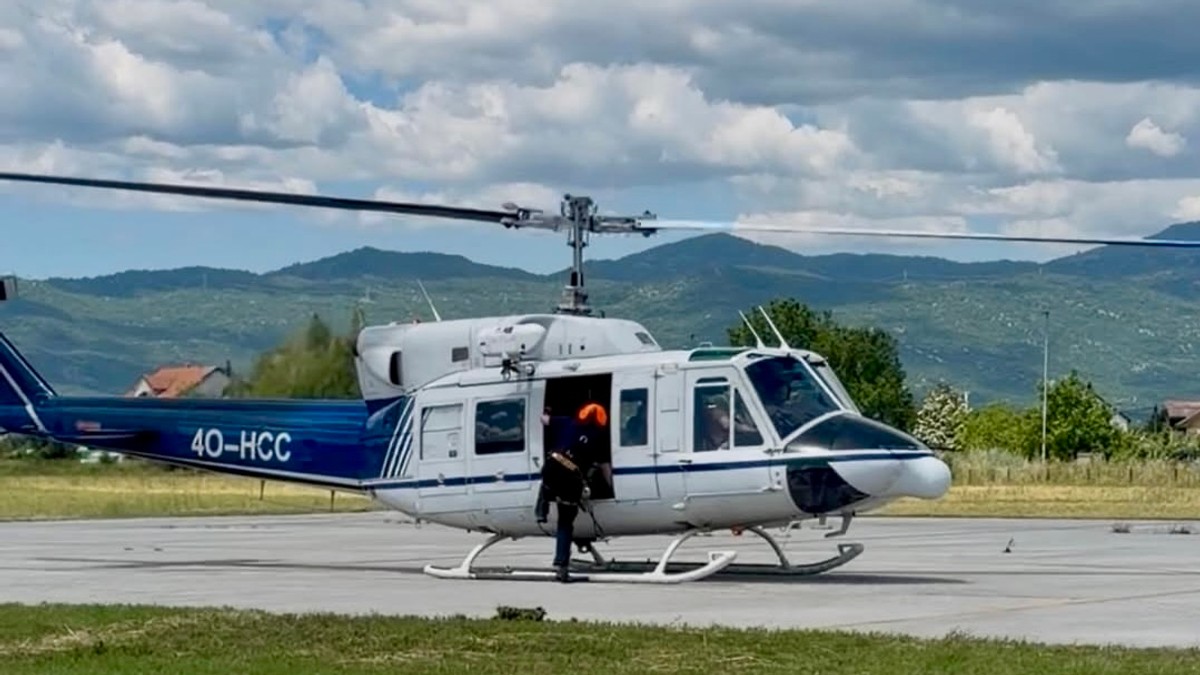
The tragedy unfolded near the Grebajski Zastan shelter, a remote area in the Albanian portion of the Prokletije range, where the group had likely been attempting a climb or hike. According to unofficial sources cited by Blic.rs, the two surviving hikers—both also from Serbia—immediately called for help after witnessing the fall. Rescue teams from Montenegro’s Mountain Rescue Service (GSS) and the Montenegrin Ministry of Internal Affairs (MUP) responded, deploying a helicopter to lower rescuers via rope to the accident site. However, the operation was halted overnight due to worsening weather and the complexity of the terrain, with efforts resuming Sunday morning.
The victim’s fall was reported to the Montenegrin Emergency Coordination Center (OKC) at 1:11 PM on Saturday, with authorities initially unable to confirm her death until her body was located. Vijesti.me’s sources noted that the helicopter encountered technical difficulties during the mission, forcing it to land near Gusinje—a town in northern Montenegro—before the crew could continue the search. The Montenegrin Mountain Rescue Service later confirmed that the rescue team had to abort the operation due to “unfavorable conditions,” though they did not specify whether this referred to weather, equipment failure, or terrain challenges.
Why Did the Rescue Operation Stall?
The delay in the rescue operation highlights the dangers of mountaineering in the Prokletije range, a rugged and isolated area straddling Montenegro, Albania, and Kosovo. According to Tanjug.rs, the Montenegrin Ministry of Internal Affairs’ helicopter unit encountered a “technical malfunction” during the mission, forcing an emergency landing near Gusinje. While the crew attempted to continue the search, the complexity of the terrain—combined with the need to secure the aircraft—likely contributed to the overnight suspension of operations.
The Prokletije Mountains are known for their extreme weather shifts and difficult accessibility, particularly in the Albanian sector where the incident occurred. Rescue teams often face challenges including limited infrastructure, language barriers between local populations, and the need to coordinate across international borders. In this case, the fact that the hikers were Serbian nationals may have complicated cross-border communication, though no official reports have confirmed this as a factor in the delayed response.
What Do Authorities Say About the Investigation?
As of Sunday, Montenegrin authorities have not released a formal statement confirming the victim’s identity beyond her initials (S.R.) or the exact circumstances of her fall. However, B92.net reported that the Montenegrin Emergency Coordination Center (OKC) had registered the incident and dispatched rescue teams within minutes of the call. The two surviving hikers remain unharmed and are likely assisting authorities with their account of the event, though no details about their condition or statements have been publicly shared.
The lack of a full official report raises questions about whether the incident will trigger a broader review of hiking safety in the region. The Prokletije Mountains are a popular destination for experienced mountaineers, but their remote and often unmarked trails pose significant risks. In 2025, a similar incident in the same range resulted in the death of a Kosovar hiker, prompting calls for better cross-border rescue coordination. Whether this tragedy will lead to renewed discussions about safety measures—or even joint patrols between Montenegro and Albania—remains unclear.
What Happens Next for the Survivors and Rescue Teams?
For the two surviving hikers, the immediate focus will likely be on their physical and emotional recovery. Given the remote location of the incident, they may have spent hours waiting for rescue, a scenario that could lead to long-term psychological effects. Authorities have not disclosed whether they have been taken to a hospital or if they are being monitored for any injuries sustained during the fall or while waiting for help.
As for the rescue teams, their efforts will now shift to recovering the victim’s body and ensuring the site is secured. The technical difficulties encountered by the helicopter unit may also prompt an internal review of equipment and protocols, particularly given the high stakes of mountain rescues in the region. If the malfunction was severe, it could delay future operations until repairs are completed or alternative resources are deployed.
One critical question moving forward is whether the incident will spark greater cooperation between Montenegro and Albania on mountain rescue efforts. The Prokletije range’s transnational nature means that accidents often require coordination across borders—a challenge that has been highlighted in past incidents. If this tragedy exposes gaps in cross-border response, it could finally push the two countries to formalize joint rescue protocols, something that has been discussed for years but never fully implemented.
A Warning for Hikers: The Dangers of the Prokletije
The Prokletije Mountains are a breathtaking but treacherous destination, particularly for those unfamiliar with their terrain. The range’s peaks—including Maja e Zastanit, where the incident occurred—are known for sudden weather changes, loose rock, and poorly marked trails. Hikers often underestimate the risks, assuming that their experience in other mountain ranges will translate to the Prokletije’s unique challenges.
In this case, the fact that the group included three individuals—rather than a single hiker—suggests they may have been attempting a more ambitious climb. However, without proper equipment, local knowledge, or emergency preparedness, even experienced hikers can find themselves in life-threatening situations. Authorities and mountaineering organizations in the region frequently warn that hikers should:
Carry satellite communication devices, as cell service is often unreliable in remote areas.
Hike with a licensed guide familiar with the Prokletije’s specific hazards.
Avoid solo expeditions, especially in unfamiliar terrain.
Monitor weather forecasts and turn back if conditions worsen.
Register their itinerary with local authorities or rescue services before setting out.
The tragedy serves as a stark reminder that even well-prepared hikers can face unforeseen dangers. For those planning trips to the Prokletije—or any remote mountain range—expert advice and caution are the best defenses against preventable accidents.
As rescue teams continue their work and authorities investigate the circumstances of the incident, one thing is clear: the Prokletije’s beauty comes with a price. For the family of the victim, the two surviving hikers, and the rescue crews who risked their lives to help, this will be a day of reflection—and, for some, a call to action to make the mountains safer for future adventurers.
ail: emily.johnson@headlinez.news
Bio:
Emily Johnson serves as News Editor at Headlinez.News, overseeing the publication’s coverage of national and breaking stories. She has worked in journalism for more than 12 years, building a reputation for precision, credibility, and rapid-response reporting. Emily’s editorial philosophy focuses on clear, fact-based writing that helps readers understand the full context behind the day’s most important events. Her expertise bridges traditional reporting and modern digital news strategies.
Expertise: Breaking news, political reporting, fact-checking, newsroom coordination, public affairs.
Location: Washington, D.C., USA