
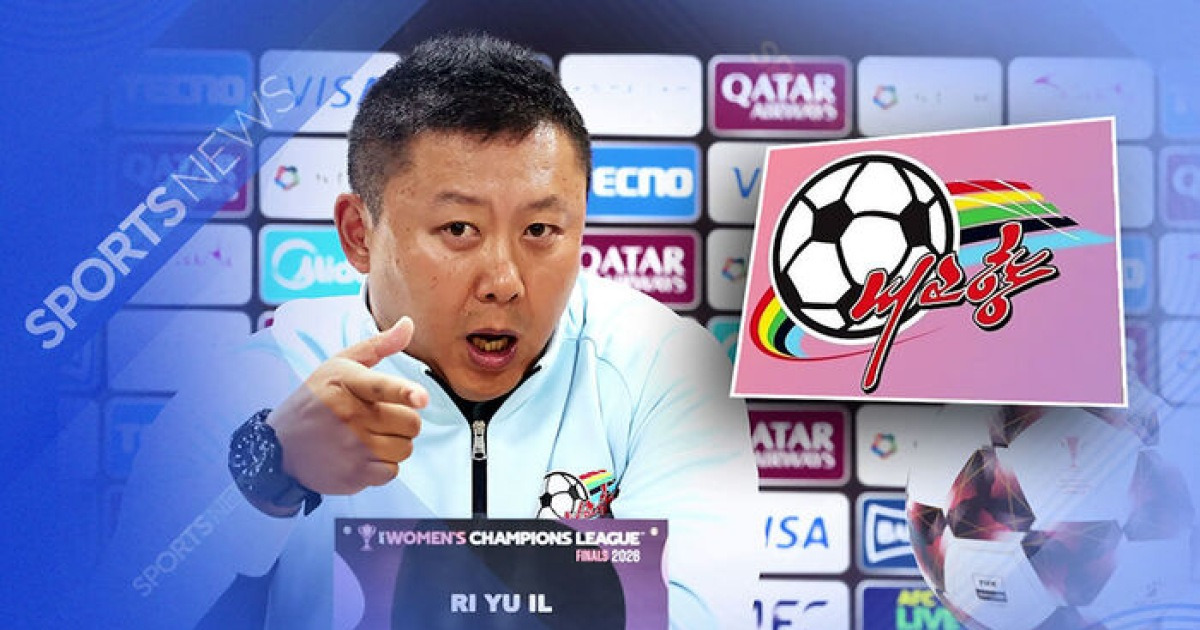
The North Korean women’s football team, Naegohyang, advanced to the final of the AFC Women’s Champions League after defeating Suwon FC in the semifinals. But as the team prepares to face Tokyo Verdy in the championship match on Saturday, their coach, Ri Yu-il, has rejected the framing of the final as a "rough" game, calling the description itself "inappropriate."
Ri Yu-il Rejects ‘Rough Game’ Framing in Defiance of Political Narratives
Ri Yu-il, head coach of Naegohyang, made headlines not for his team’s athletic prowess but for his reaction to a question about the upcoming final. When asked whether the match against Tokyo Verdy would be as "rough" as past Korea-Japan encounters, Ri responded with frustration. "The term ‘rough game’ is not appropriate," he said, according to v.daum.net. "We will do our best within the rules."
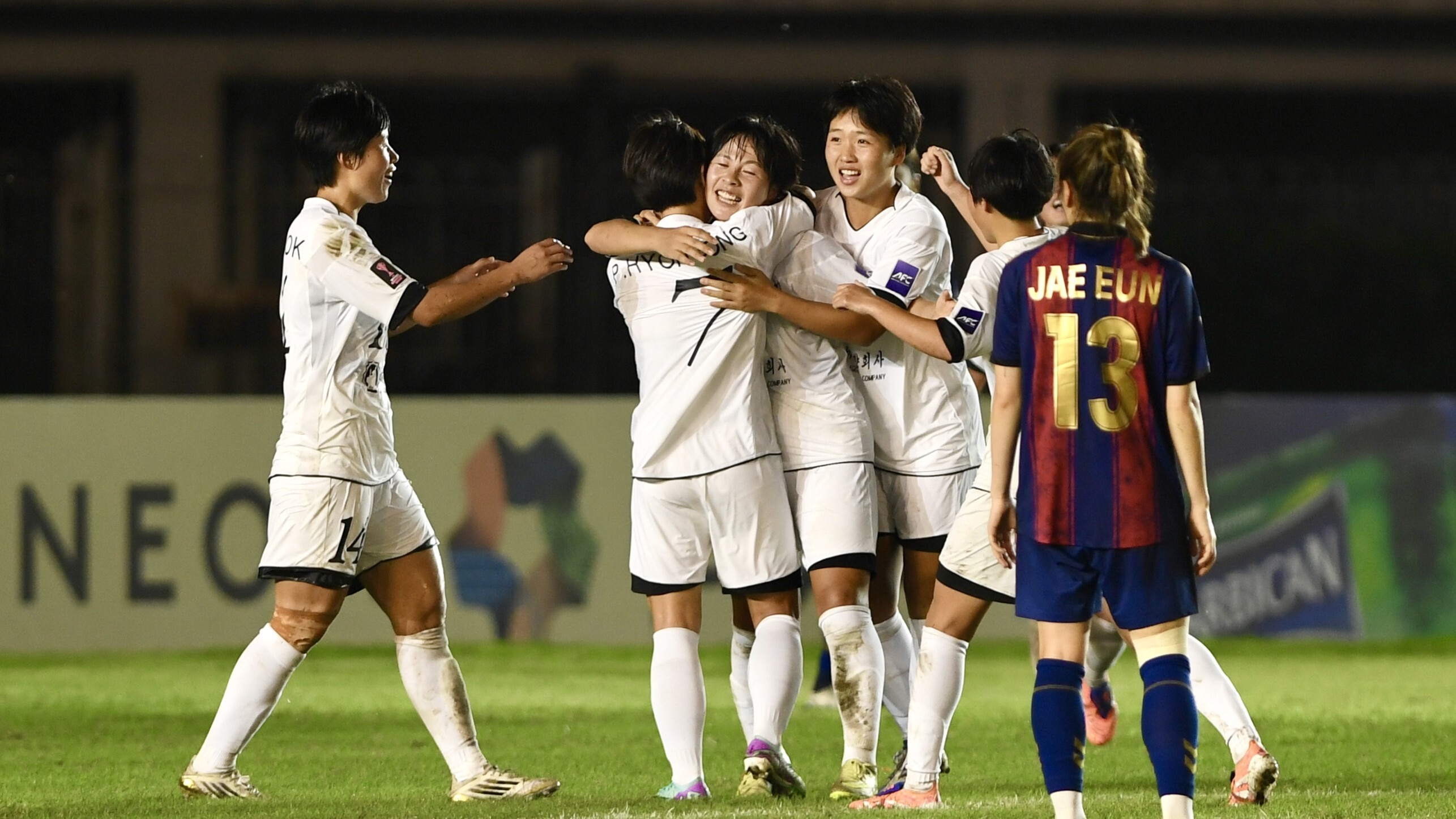
The question itself was a loaded one, comparing the North Korean team’s upcoming match to the historically tense Korea-Japan rivalry. Ri’s refusal to engage with the framing—even after clarification—suggests a deliberate strategy to avoid political overtones in what should be a sporting event. His response underscores a broader tension: how much should international football be shaped by geopolitical narratives, and how much can it remain a pure contest of skill?
Naegohyang’s Focus on Performance Amid Media Distractions
Ri isn’t the first coach to push back against media framing. But his reaction stands out for its directness. While many teams might sidestep such questions, Naegohyang’s coach chose to challenge the premise itself. The AFC Women’s Champions League, after all, is about football—not diplomacy. Yet the question’s phrasing, linking the match to past Korea-Japan tensions, forced Ri to address a topic he clearly wanted to avoid.
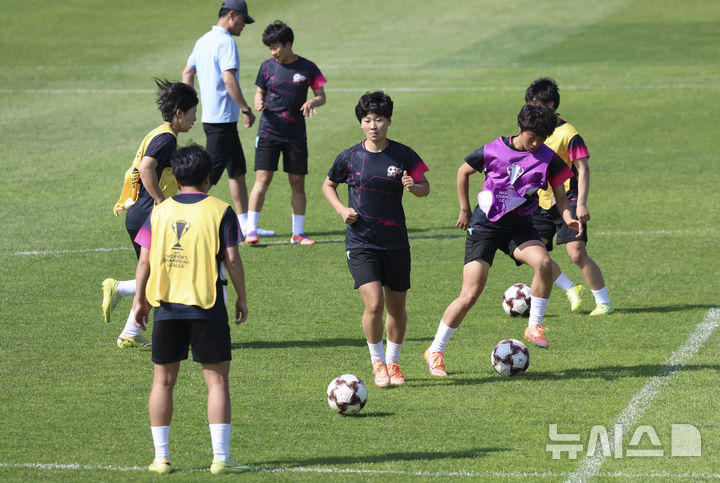
While Ri’s words dominated headlines, the team itself remains focused on the task at hand. On Friday, Naegohyang held a training session at Suwon World Cup Stadium, where they drilled passing and positioning ahead of the final. Captain Kim Gyeong-yeong and her teammates appeared undistracted by the media storm, their attention squarely on the match against Tokyo Verdy.
The contrast between Ri’s public statement and the team’s private preparation is telling. Naegohyang’s players have spent months preparing for this moment, and their coach’s words suggest they intend to let their performance—not political rhetoric—define their legacy. Yet the question of how much outside noise will follow them into the final remains.
Geopolitical Shadows and the Challenge of Defining North Korea’s Legacy
The AFC Women’s Champions League final is scheduled for Saturday at Suwon World Cup Stadium. With Naegohyang’s coach rejecting the idea of a "rough" game, the focus shifts to whether the match will live up to its billing—or whether the real story will be the political subtext surrounding it.
Naegohyang’s path to the final is no small feat. The team, representing North Korea, has navigated sanctions, limited resources, and international scrutiny to reach this stage. Their semifinal victory over Suwon FC—a WK League club—marked a significant milestone, proving that North Korean women’s football can compete at the highest level.
Yet the road ahead isn’t just about winning. It’s about how the world perceives them. Ri’s rejection of the "rough game" framing is a deliberate move to distance his team from the political baggage that often follows North Korea in sports. But in a league where Korea-Japan tensions are a constant backdrop, that separation may be harder to achieve than he realizes.
Tokyo Verdy’s Test: Can They Neutralize the Political Undercurrents?
The AFC Women’s Champions League has become a stage for more than just football. For Naegohyang, the final presents an opportunity to showcase their talent—but also a risk of being defined by something beyond their control. If they win, it will be a triumph not just for their team, but for North Korean women’s football as a whole. If they lose, the narrative may shift back to geopolitics rather than athleticism.
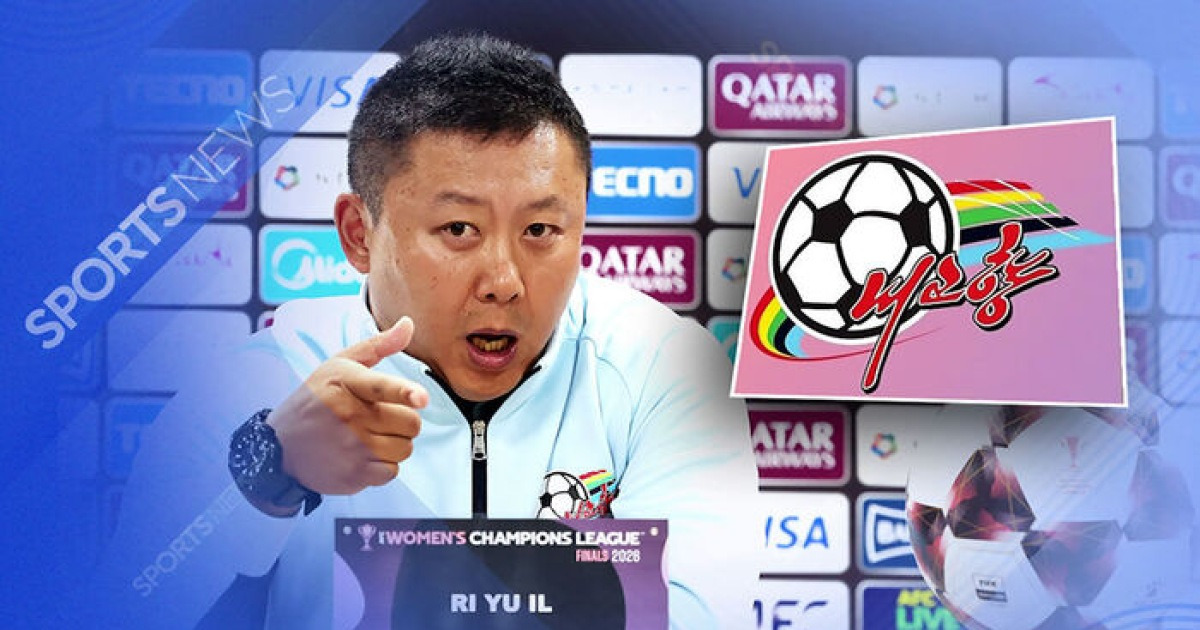
Tokyo Verdy’s challenge: Can they break the North Korean focus?
Tokyo Verdy, the final opponent, enters the match with a different set of challenges. As a J-League club, they are accustomed to high-pressure games—but none quite like this one. The team will need to navigate not only Naegohyang’s defensive structure but also the potential for additional scrutiny from fans and media.
Verdy’s coach and players have likely prepared for a physical, tactical battle. But the real test may be whether they can keep the match from becoming a proxy for broader regional tensions. If Ri’s words are any indication, Naegohyang is determined to keep the focus where it belongs: on the pitch.
The final will be broadcast live, giving fans around the world a chance to see if the teams can rise above the noise. For Naegohyang, the stakes are personal—this is their moment to shine. For Tokyo Verdy, it’s a chance to prove they are more than just opponents in a politically charged matchup.
Regardless of the outcome, this final will be remembered for more than just the score. It will be a test of whether football can transcend politics—or if, in the end, the game will always be shaped by the world beyond the pitch.
For Naegohyang, a victory would be a statement: that North Korean athletes can compete at the highest level, regardless of the noise. A loss, meanwhile, could reinforce the idea that their journey is as much about overcoming adversity as it is about winning.
One thing is certain: the AFC Women’s Champions League final between Naegohyang and Tokyo Verdy will be watched closely—not just for the football, but for what it says about the sport’s future. Can teams like Naegohyang break free from the shadows of geopolitics, or will those shadows always follow them onto the field?
