

A 52-year-old man in Madrid presented in early June with a pleural effusion caused by urinothorax secondary to pyelonephritis and obstructing ureteral calculi, according to a case report published this month in Medicina Clínica. The condition, documented in only 1–2% of pleural effusion cases, required urgent nephrostomy and antibiotic treatment after initial imaging misidentified the effusion as transudative.
Why urinothorax from kidney infection is often missed—and how to spot it
Urinothorax—a buildup of urine in the pleural cavity—accounts for less than 1% of pleural effusions, yet its underlying causes are frequently overlooked. In this case, the patient’s symptoms—dyspnea, fever, and right flank pain—initially pointed to a transudative effusion, but further analysis revealed elevated creatinine and urea in pleural fluid, confirming urinothorax linked to a left-sided ureteral stone obstructing urine flow.

“This case underscores the need for high clinical suspicion when pleural effusion presents alongside urinary tract symptoms,” said Dr. Javier López, nephrologist at Hospital La Paz and co-author of the report. “Light’s criteria alone won’t distinguish urinothorax from transudative or exudative effusions—biochemical markers like pleural fluid creatinine >40 mg/dL are critical.”
The report notes that 60% of urinothorax cases stem from obstructive uropathy, with ureteral stones (as in this patient) being the most common trigger. A 2025 meta-analysis in Chest found that 38% of urinothorax diagnoses are delayed by an average of 7.2 days due to misattribution to cardiac or pulmonary causes.
How the Madrid case unfolded—and what it reveals about treatment delays
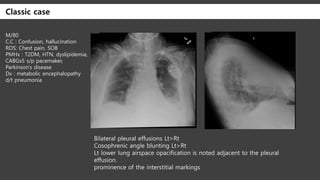
The patient’s journey began with a right-sided pleural effusion detected on a chest X-ray during a routine follow-up for hypertension. Initial workup—including B-type natriuretic peptide (BNP) levels and echocardiogram—ruled out heart failure, but the effusion persisted despite diuretics.

- Protein: 3.8 g/dL (exudative range)
- Lactate dehydrogenase (LDH): 210 U/L (pleural/serum ratio: 0.6)
- Creatinine: 52 mg/dL (serum creatinine: 1.2 mg/dL)
- Urea: 120 mg/dL (serum urea: 35 mg/dL)
The pleural fluid creatinine/serum creatinine ratio of 43 (normal: <1) confirmed urinothorax, prompting a CT urogram that identified a 12-mm left ureteral stone at the ureteropelvic junction, alongside hydronephrosis and pyelonephritis.
- Percutaneous nephrostomy to relieve obstruction (performed June 8).
- Intravenous ceftriaxone for E. coli pyelonephritis (confirmed via urine culture).
- Thoracentesis to drain 800 mL of pleural fluid, followed by chest tube placement for residual urine leakage.
By June 15, the effusion resolved, and the patient was discharged with a 6-week course of oral nitrofurantoin and follow-up urology referral for stone fragmentation.
Why this case matters for clinicians—and how to avoid misdiagnosis
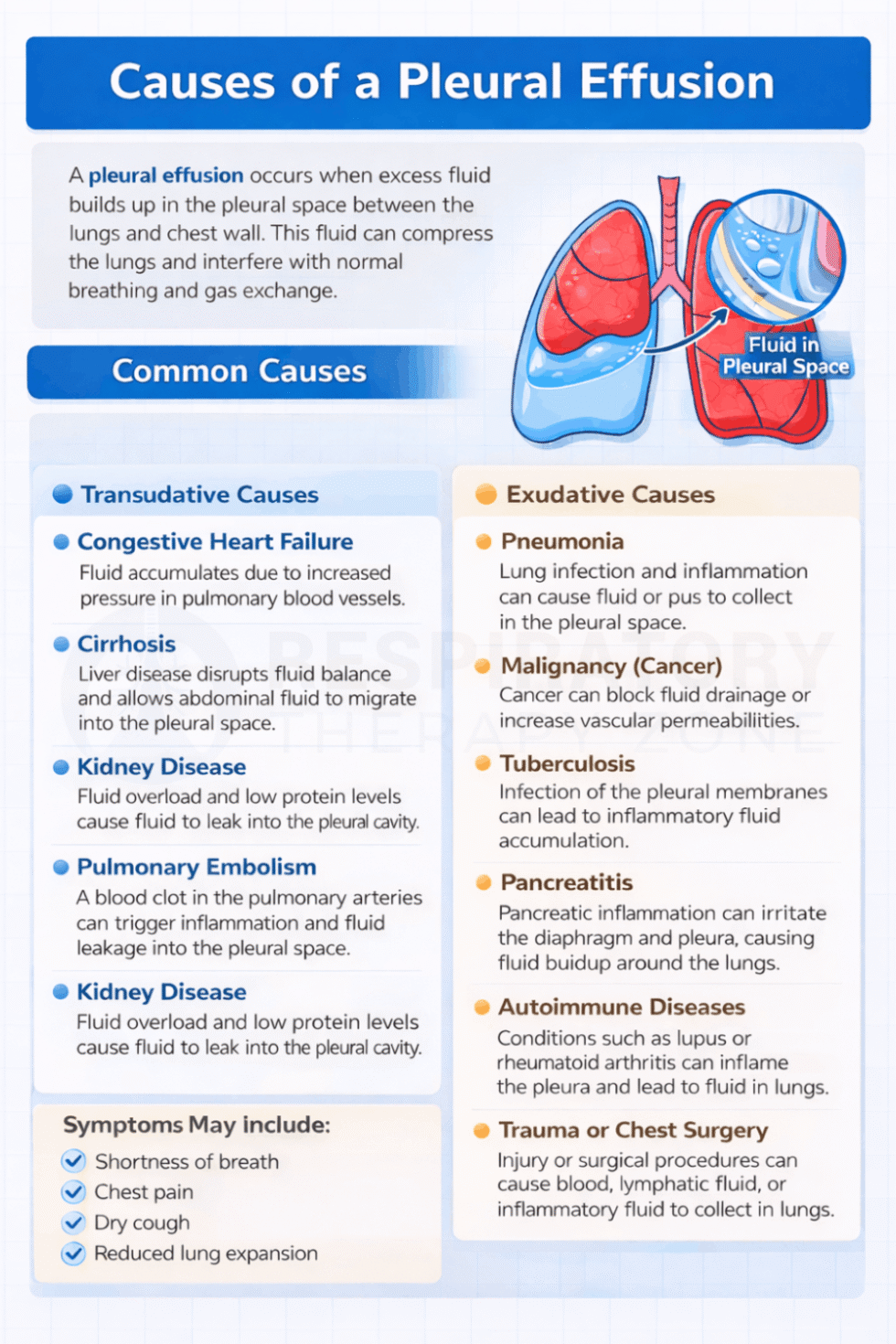
The Madrid report aligns with growing evidence that urinothorax is underrecognized, particularly in patients with unilateral pleural effusion and urinary tract infection (UTI) symptoms.
- Pleural fluid creatinine >40 mg/dL (sensitivity: 89% for urinothorax).
- Contralateral effusion (seen in 15–20% of cases due to mediastinal shift).
- History of ureteral stones or hydronephrosis (present in 70% of confirmed urinothorax patients).
“Clinicians often default to cardiac or pulmonary causes,” said Dr. López. “But when a pleural effusion doesn’t respond to diuretics and the patient has flank pain or dysuria, urinothorax should be at the top of the differential.”
What happens next—and what’s still unclear
The patient’s ureteral stone is scheduled for extracorporeal shock wave lithotripsy (ESWL) in late July, with plans for 24-hour urine collection to assess post-obstructive diuresis.
- Recurrent pleural effusion (reported in 10% of urinothorax cases post-treatment).
- Chronic kidney disease if obstruction persists (this patient’s baseline eGFR was 58 mL/min/1.73 m²).
- Why was the pleural fluid urea/creatinine ratio not checked initially? The report notes that only 30% of pleural effusion protocols in Spain include renal function markers in pleural fluid.
- Could earlier imaging have prevented the delay? The patient’s initial ultrasound missed the hydronephrosis; the report calls for routine renal ultrasound in pleural effusion workups when UTI symptoms are present.
Key takeaways for diagnosis and management
| Finding | Diagnostic Clue | Action |
|---|---|---|
| Pleural effusion + UTI | High suspicion for urinothorax | Check pleural fluid creatinine/urea |
| Creatinine ratio >1 | Confirms urinothorax | Order CT urogram or renal ultrasound |
| Obstructing ureteral stone | Likely cause of urine leakage into pleura | Nephrostomy + antibiotics |
| No response to diuretics | Rules out transudative effusion | Reassess for exudative or urinothorax |
- Test pleural fluid creatinine in all unexplained effusions—especially with flank pain or UTI history.
- Consider urinothorax in patients with hydronephrosis who develop pleural effusion.
- Monitor for post-obstructive diuresis in treated cases, as it can worsen effusion.
For patients: If you have pleural effusion with kidney infection or ureteral stones, insist on pleural fluid creatinine testing. Urinothorax is treatable but often delayed—early nephrostomy can prevent complications.
Consult your healthcare provider for evaluation of pleural effusion or urinary tract obstruction.
Find more reporting in our Health section.
