
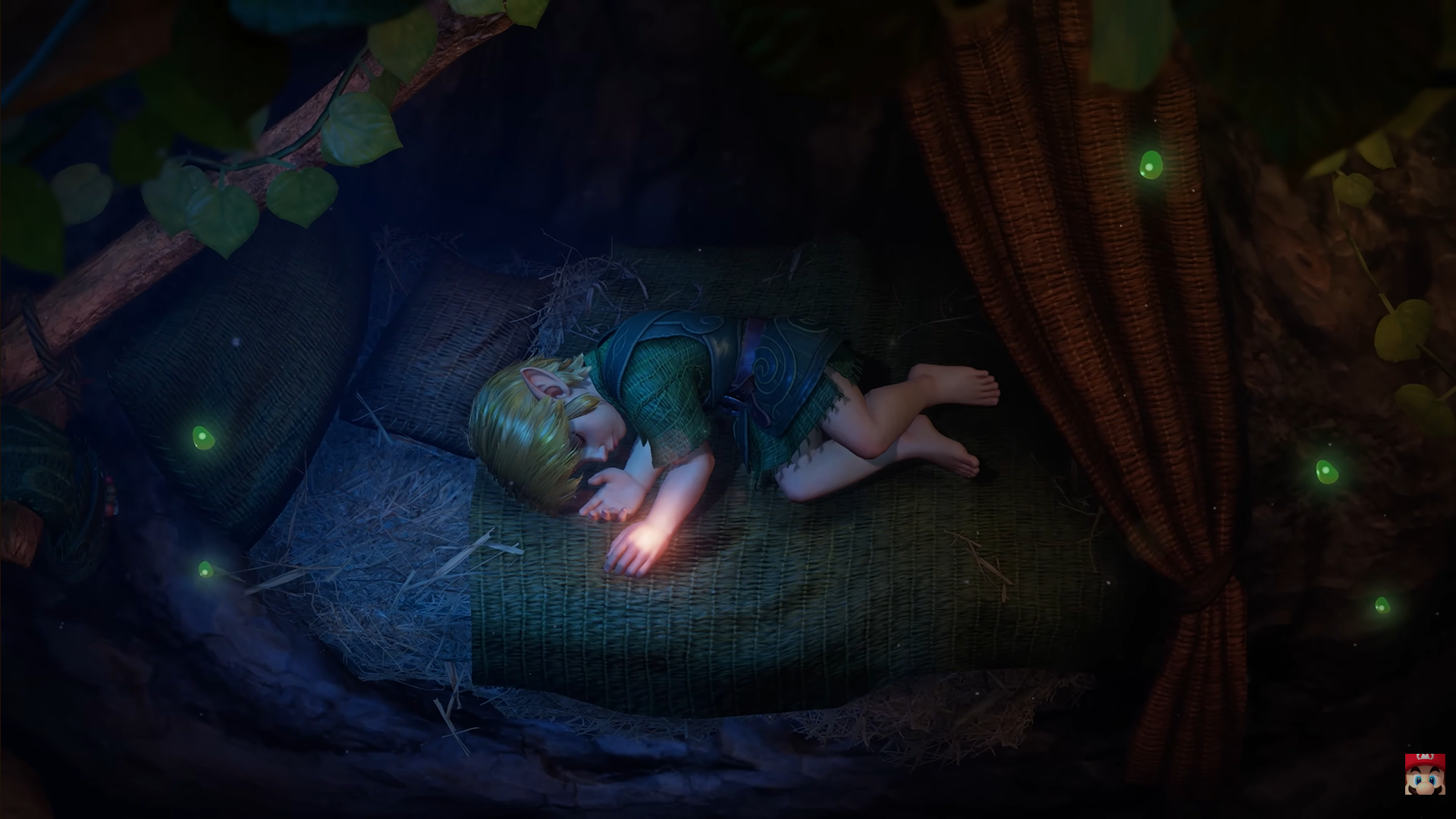
Nintendo officially confirmed the development of a remake for The Legend of Zelda: Ocarina of Time, scheduled for release on the Switch 2 in 2026. The announcement came during the June 9, 2026, Nintendo Direct, which served as the concluding presentation for this year’s Summer Game Fest events.
A Legend Returns to Switch 2
The announcement of The Legend of Zelda: Ocarina of Time remake arrives nearly three decades after the title’s original debut. First launched for the Nintendo 64 in Japan in November 1998, the game became a foundational title for 3D action-adventure design. According to reporting by Kompasiana, the remake is being developed for the upcoming Switch 2 console, marking the latest iteration of a title that has previously appeared on the GameCube, Wii, and Nintendo 3DS.
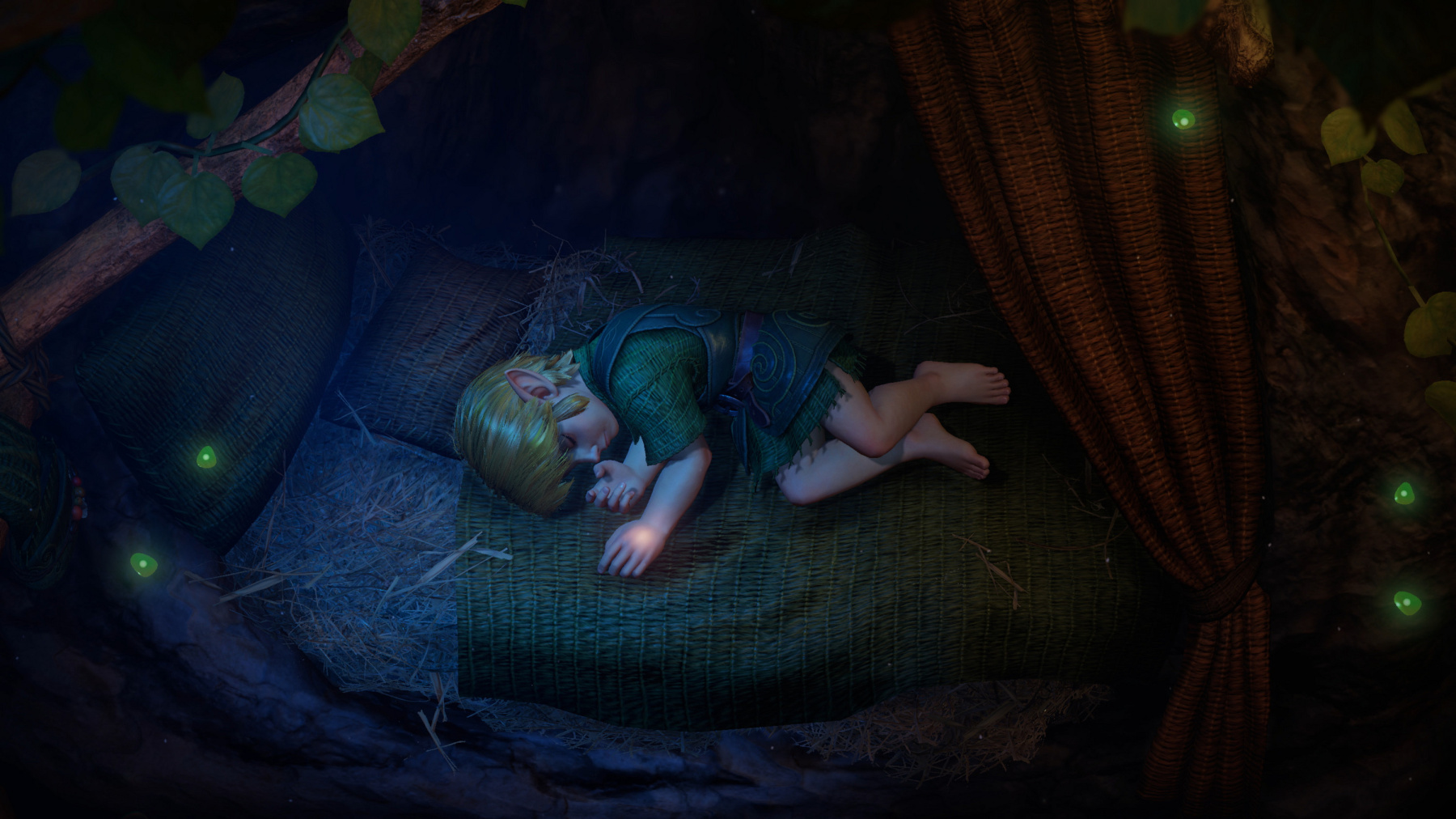
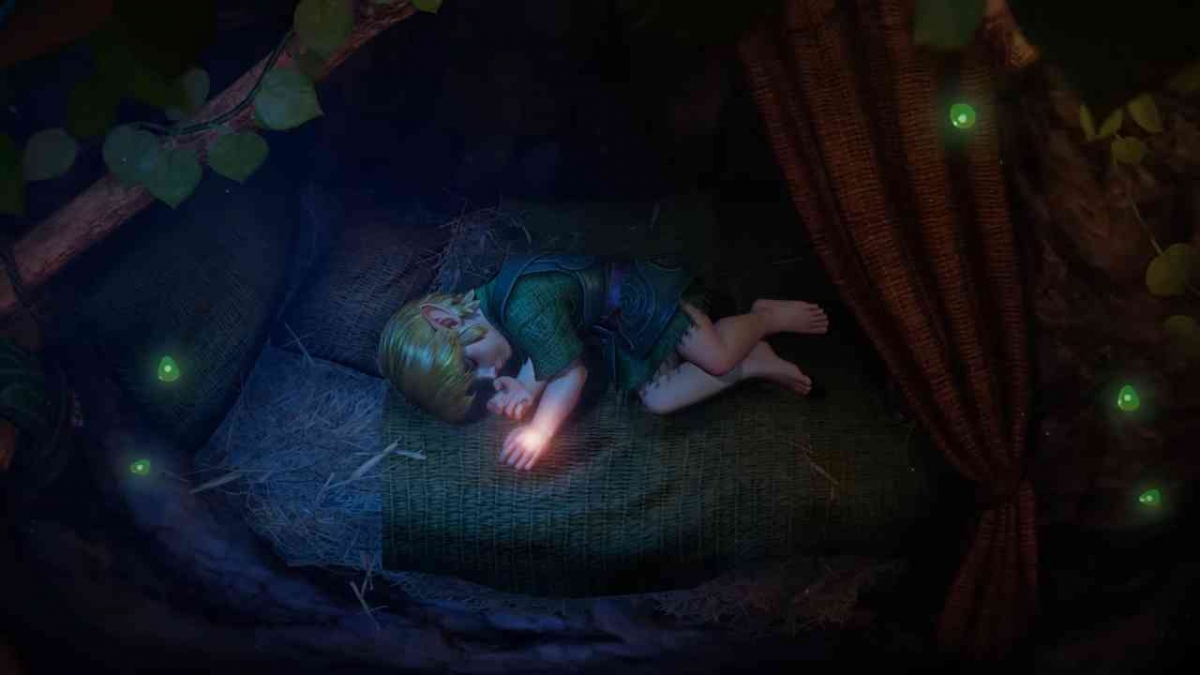
While the teaser trailer shown during the June 9, 2026, presentation offered glimpses of Link and atmospheric elements of Hyrule, it stopped short of revealing specific gameplay mechanics or potential new content. As Sortir à Paris reported, the current footage does not detail how the game will utilize the hardware features of the Switch 2, leaving fans to wait for further technical disclosures.
The original 1998 release is widely regarded by critics and historians as a transformative moment for the industry. By transitioning The Legend of Zelda series into a three-dimensional space, developers established conventions that are still standard in modern gaming. The “Z-Targeting” system, which allowed players to lock onto enemies while navigating a 3D environment, solved fundamental camera and combat issues that had previously plagued the genre. Its inclusion on the Switch 2 platform is seen by industry observers as a strategic move to anchor the new hardware’s library with a title that carries significant historical prestige and brand recognition.
The June 2026 Nintendo Direct Showcase
The Nintendo Direct broadcast acted as the final major event of the Summer Game Fest, following presentations from PlayStation, Xbox, and other developers. The showcase was divided into two distinct segments: a 50-minute primary Direct presentation followed by a 95-minute Treehouse: Live session, as detailed by MediaKompeten.

In total, Nintendo showcased 34 games during the livestream. While some titles were anticipated by the community, the event included several unexpected reveals. Jagat Play noted that the lineup was designed to provide significant value for the Switch 2, with key highlights including:
- Kingdom Hearts IV
- Xenoblade Genesis (a Switch 2 exclusive)
- Final Fantasy Resonance
- Dragon’s Dogma 2: Dark Arisen
- Stellar Blade
- Lord of the Fallen II
The structure of the event, which utilized both a high-energy trailer showcase and an extended deep-dive session, follows the traditional Nintendo communication strategy for major product launches. By separating the announcements from the technical demonstrations in the Treehouse: Live segment, the company manages the flow of information to ensure that individual titles receive dedicated attention. This event was particularly significant as it followed the wider Summer Game Fest schedule, positioning Nintendo’s hardware and software ecosystem as the final word in the seasonal industry cycle.
Community Expectations and Industry Context
Prior to the broadcast, the gaming community engaged in intense speculation regarding the potential reveal of several high-profile titles. MediaKompeten reported that industry analysts and fans had identified a list of likely candidates for the showcase, including DuskBlood, Fire Emblem: Fortune’s Weave, and a new entry in the Mario Bros. franchise.
The inclusion of Ocarina of Time in the final lineup satisfied one of the most persistent rumors circulating in the months leading up to the event. The title’s historical influence remains a focal point for Nintendo, as the original 1998 release introduced industry-standard mechanics such as context-sensitive actions and locked-on targeting. By bringing the game to the Switch 2, Nintendo aims to bridge the gap between long-term fans and younger players who have not experienced the original 3D adventure.
Industry analysts often look to these high-profile remakes as a barometer for a new console’s success. By leveraging a “legacy” title, companies can generate immediate interest from existing console owners while simultaneously testing the graphical and processing capabilities of the new hardware. The remake of Ocarina of Time serves this dual purpose, acting as both a celebration of the company’s heritage and a technical showcase for the Switch 2’s capabilities, such as potentially improved lighting, texture rendering, and frame rate stability compared to previous versions.
What to Expect After the Reveal
With the announcement confirmed, the focus now shifts to the 2026 release window. While Nintendo has confirmed the game is coming to the Switch 2, specific details regarding a release date or potential remastering features remain undisclosed. The Treehouse: Live session provided some depth on the titles shown, but the company has signaled that more information will be released as the launch of the Switch 2 hardware nears.
For now, the industry is watching how these titles, particularly the high-profile remakes and exclusives, will position the Switch 2 against existing market competition. As Jagat Play observed, the strength of this software lineup is intended to provide a compelling argument for the new console’s capabilities as Nintendo transitions to its next hardware generation. The success of such a launch often depends on the balance between familiar franchises that drive hardware sales and new intellectual properties that demonstrate the console’s unique features, a balance Nintendo appears to be targeting with this diverse 34-game presentation.
Find more reporting in our Tech section.
