
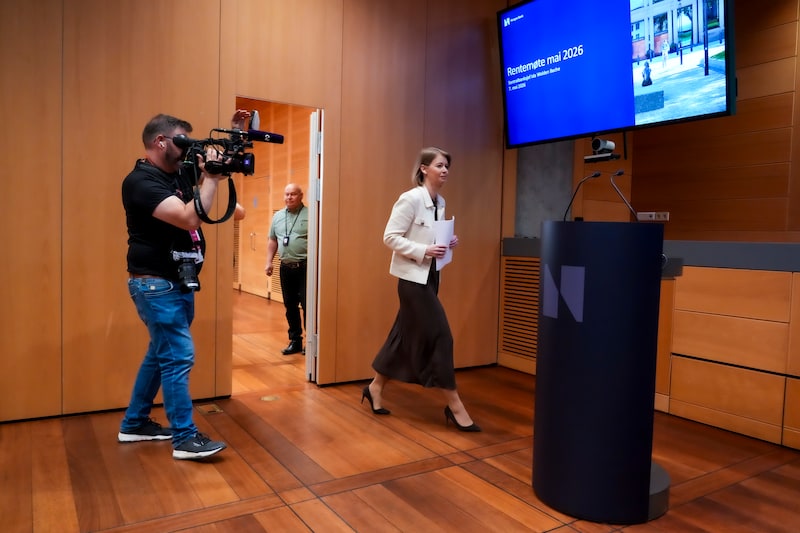
Norges Bank held its key policy rate at 4.25% on June 18, 2026, but signaled that further increases are likely to combat persistent inflation. The central bank’s updated interest rate path suggests at least one, and potentially two, hikes may occur later this year, with rates projected to remain above 4.5% through the fourth quarter.
Updated Rate Path and Future Hike Projections
While the decision to keep the policy rate unchanged was widely anticipated by market observers, the accompanying revised interest rate path indicates a more aggressive stance than previously signaled in March. According to reporting by E24, the central bank now explicitly opens the door for two additional rate hikes before the end of 2026. This tactical shift reflects a departure from the bank’s earlier, more cautious trajectory, signaling to the market that the Monetary Policy and Financial Stability Committee is increasingly concerned about the persistence of price pressures despite current restrictive levels.
Financial analysts view the shift as a clear signal that the central bank is prioritizing inflation control over immediate economic growth. Nils Kristian Knudsen, a strategist at Handelsbanken, noted that there is a 50% probability of an August increase, while a hike to 4.75% remains a distinct possibility if inflationary pressures do not subside. As Dagens Næringsliv reported, the bank’s projections show the policy rate staying above 4.5% as it attempts to bring inflation down to its 2% target by 2029. This extended timeline highlights the structural challenges Norges Bank faces in steering the Norwegian economy back to its long-term stability mandate without triggering a sharp contraction in domestic demand.
Economic Drivers and Inflationary Pressures
Central Bank Governor Ida Wolden Bache emphasized that current price growth remains too high, fueled by robust cost increases within the business sector. In a statement, the central bank identified three primary factors contributing to this outlook: the uncertainty surrounding the conflict in Iran and its impact on oil and commodity prices, domestic inflation expectations, and a slight cooling in mainland economic growth. The volatility in global energy markets remains a significant variable for Norway, as a major oil and gas exporter, yet the central bank must balance the benefits of high energy revenues against the domestic inflationary environment those same revenues can stimulate.
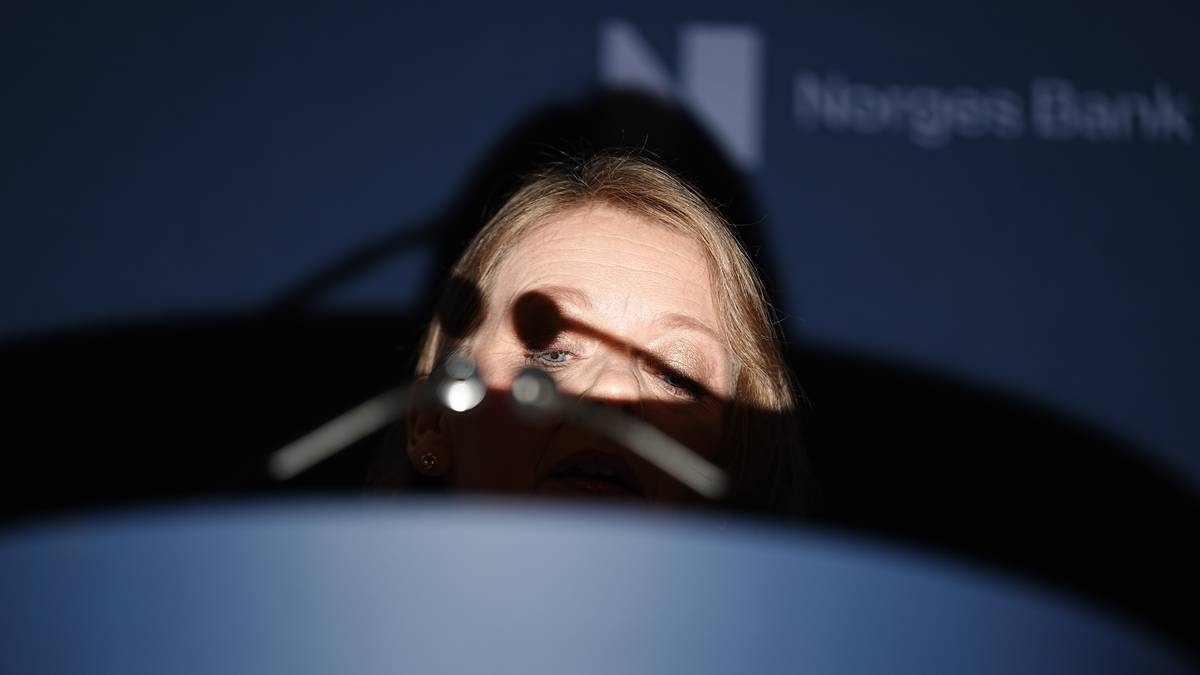
The latest data shows general inflation at 3.1% and core inflation at 3.4% as of June 2026. Despite the restrictive monetary policy, the central bank’s models do not anticipate reaching the 2% inflation target for another three years. This long-term horizon underscores the difficulty the committee faces in balancing price stability with the necessity of maintaining stable employment. Historically, Norges Bank has utilized the “Monetary Policy Report” as a primary tool to communicate these trade-offs, providing a transparent forward-looking guidance mechanism that allows market participants to price in future debt servicing costs.
Market Reactions and Expert Analysis
The decision to pause at 4.25% drew mixed reactions from economists. While some viewed the hold as a logical step to avoid rapid-fire surprises, others argued the bank should have acted immediately. Kjersti Haugland, chief economist at DNB Carnegie, questioned the delay, stating that the policy rate needs to rise and that there is little point in waiting. Haugland’s assessment reflects a broader concern among institutional analysts that delaying necessary rate adjustments could entrench inflation expectations, ultimately requiring a more painful, larger rate hike later in the cycle.
Conversely, some analysts interpreted the decision as a measured approach to help households adjust. Kyrre Knudsen of SpareBank 1 Sør-Norge pointed out that while the short-term outlook involves higher borrowing costs, the long-term forecast includes potential rate cuts starting in 2027. This divergent view underscores the uncertainty inherent in current economic forecasting, where global supply chain disruptions and geopolitical instability continue to complicate the traditional Phillips curve relationship—the inverse correlation between unemployment and inflation that has traditionally guided central bank decision-making.
| Period | Projection/Status |
|---|---|
| Q4 2026 | Potential rate above 4.5% |
| 2027 | Anticipated initiation of rate cuts |
| 2029 | Targeted inflation rate of 2% |
The committee remained unanimous in its decision to hold, though meeting minutes revealed that at least one member expressed concern that the current monetary policy is not sufficiently restrictive to curb inflation, arguing instead for an immediate increase. This internal debate mirrors the broader tension within international central banking, where the “higher for longer” narrative has become the standard defense against the risk of premature easing.
Implications for Households and Borrowers
For Norwegian households, the outlook for mortgage rates remains challenging. Borrowers should prepare for higher interest expenses throughout the autumn as banks adjust their lending rates in response to the central bank’s hawkish stance. While wage growth has provided some cushion for household purchasing power, the central bank’s path suggests that the cost of capital will remain elevated for the foreseeable future, potentially limiting consumption growth in the coming quarters. This environment places additional pressure on the Norwegian housing market, where variable-rate mortgages are the standard, making households exceptionally sensitive to shifts in the Norges Bank policy rate.

As the central bank navigates this cycle, the focus will remain on the interplay between domestic wage settlements and imported inflation. If wage growth continues to outpace productivity gains, the risk of a wage-price spiral remains a primary concern for the committee. Consequently, the upcoming quarterly data releases will be scrutinized by both the central bank and the private sector to determine if the current 4.25% floor is sufficient to anchor inflation expectations or if the committee will be forced to follow through on its signaled intent to push borrowing costs higher before the end of the year.
Find more reporting in our Business section.
