

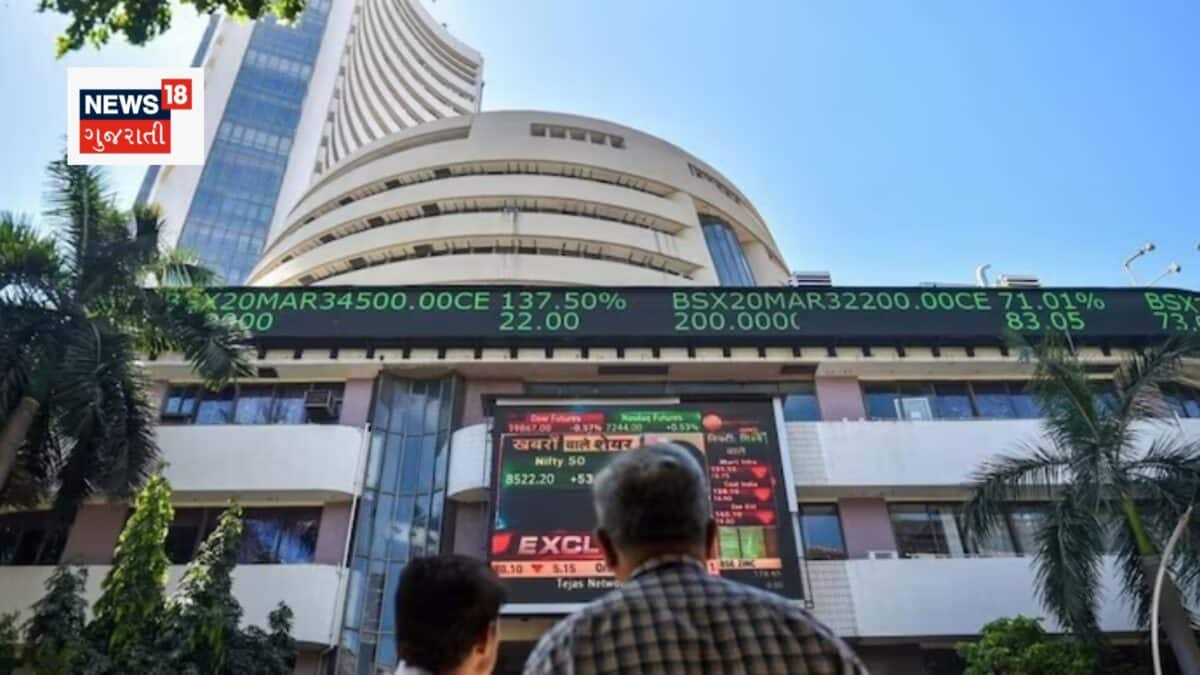
Indian stock markets opened sharply higher on Wednesday, June 17, 2026, as the Sensex surged 271 points and the Nifty crossed 24,000 for the first time in months, driven by easing geopolitical tensions and strong domestic liquidity flows.
The rally followed a volatile week where the Sensex swung between gains and losses exceeding 500 points, while the Nifty fluctuated between 23,100 and 24,000—reflecting both investor optimism about easing US-Iran tensions and caution over crude oil price volatility. With the market capitalization of listed companies on the Bombay Stock Exchange now exceeding ₹472 trillion, analysts say the recent uptick may signal a broader recovery for Indian equities.
The Geopolitical Trigger: US-Iran Tensions and Crude Oil Prices
Market movements this week were heavily influenced by developments in US-Iran relations. Gujarat Samachar reports that a potential deal between the two nations—expected to reopen the Strait of Hormuz—has already triggered a drop in crude oil prices from recent highs of $103 per barrel to around $78–$80. This decline, confirmed by multiple sources, is a critical tailwind for India, where oil imports account for nearly 80% of domestic consumption.
However, the picture is mixed. While Moneycontrol notes that crude futures have fallen to $94.38 per barrel—down from earlier spikes above $100—the market remains sensitive to further geopolitical shifts. The US Federal Reserve’s upcoming policy meeting on June 16–17 is another wild card, with analysts warning that any hint of prolonged high interest rates could reverse the recent rally.
Sector Spotlight: IT and AI-Driven Stocks Lead the Charge
The technology sector, particularly IT and AI-focused stocks, has been the standout performer this week. Bombay Samachar highlights that shares of HCL Technologies, Sonata Software, RP-Sanjiv Goenka, Netweb, and ASM Technologies surged 4–6% on Wednesday alone, with HCL’s market cap rising ₹40.2 billion to ₹115.9 billion following fresh investments in AI startups.
This surge reflects a broader trend: Indian IT firms are accelerating AI adoption, positioning themselves as beneficiaries of global tech spending shifts. Gujarat Samachar’s analysis suggests that while AI presents growth opportunities, it also introduces execution risks—something investors appear willing to overlook for now.
Market Valuations: Are Indian Stocks Cheap Enough?
Despite the recent gains, some analysts remain cautious. Moneycontrol cites brokerage firm MK Research, which maintains a bullish 2027 Nifty target of 29,000, arguing that the index’s current P/E ratio of 17.8—below its five-year average of 19.6—justifies further upside. However, global brokerage Jeffries warns that Indian markets may still be overvalued relative to emerging-market peers, potentially limiting foreign inflows.
The divergence in expert opinions underscores a key question: Is this rally sustainable, or is it merely a correction after months of underperformance? With domestic liquidity strong and earnings growth projected at 15.7% for FY2027, the bull case rests on whether geopolitical calm persists—and whether the Fed’s next move will be a hawkish pivot or a dovish pause.
What Happens Next: Key Risks and Catalysts
The next 30 days will be critical.

- US-Iran Deal Finalization: If the Strait of Hormuz reopens fully, crude prices could drop further, boosting consumer demand and corporate margins.
- Fed Policy Decision (June 16–17): Any signal of rate cuts could trigger a fresh wave of foreign inflows, while a hawkish stance may dampen risk appetite.
- Monsoon Progress: Weak rains could pressure rural demand and agricultural stocks, offsetting the tech rally.
News18’s experts emphasize that the market’s trajectory will hinge on these three variables. For now, the rally has restored investor confidence—but the real test lies ahead.
One thing is clear: The volatility of the past few months has not deterred domestic investors. With the Sensex now trading above 76,800 and the Nifty flirting with 24,000, the question is no longer whether the market will recover—but whether this uptick is the beginning of a new bull run or just a pause in the broader correction.
For now, the answer remains uncertain. But with geopolitical risks easing and valuations still attractive, the stage is set for another week of sharp moves.
Find more reporting in our Business section.
