

The 2026 Biogas Conference is scheduled for March 24 and 25 at Tou Scene in Stavanger, Norway. The industry event aims to address barriers to growth and facilitate collaboration across the entire value chain, including farmers, technology developers, and government officials, as the nation targets an annual production of 1 terawatt-hour of biogas.
Industry Convergence in Stavanger
The Norwegian biogas sector faces a critical juncture as stakeholders prepare to gather in Stavanger. The upcoming Biogasskonferansen 2026, hosted at the historic Tou Scene, serves as the primary forum for aligning the industry’s diverse participants. By bringing together agricultural producers, energy companies, technology developers, and regulatory authorities, the conference organizers intend to bridge the gap between policy objectives and operational reality.
The event is positioned as a venue for resolving the systemic bottlenecks that currently impede the scaling of biogas production. According to the conference program, the primary focus for the first day, March 24, centers on identifying and eliminating the specific hurdles—ranging from financing and regulatory frameworks to technical and agricultural challenges—that prevent the industry from achieving its target of 1 TWh of annual output.
Defining the Regulatory and Strategic Agenda
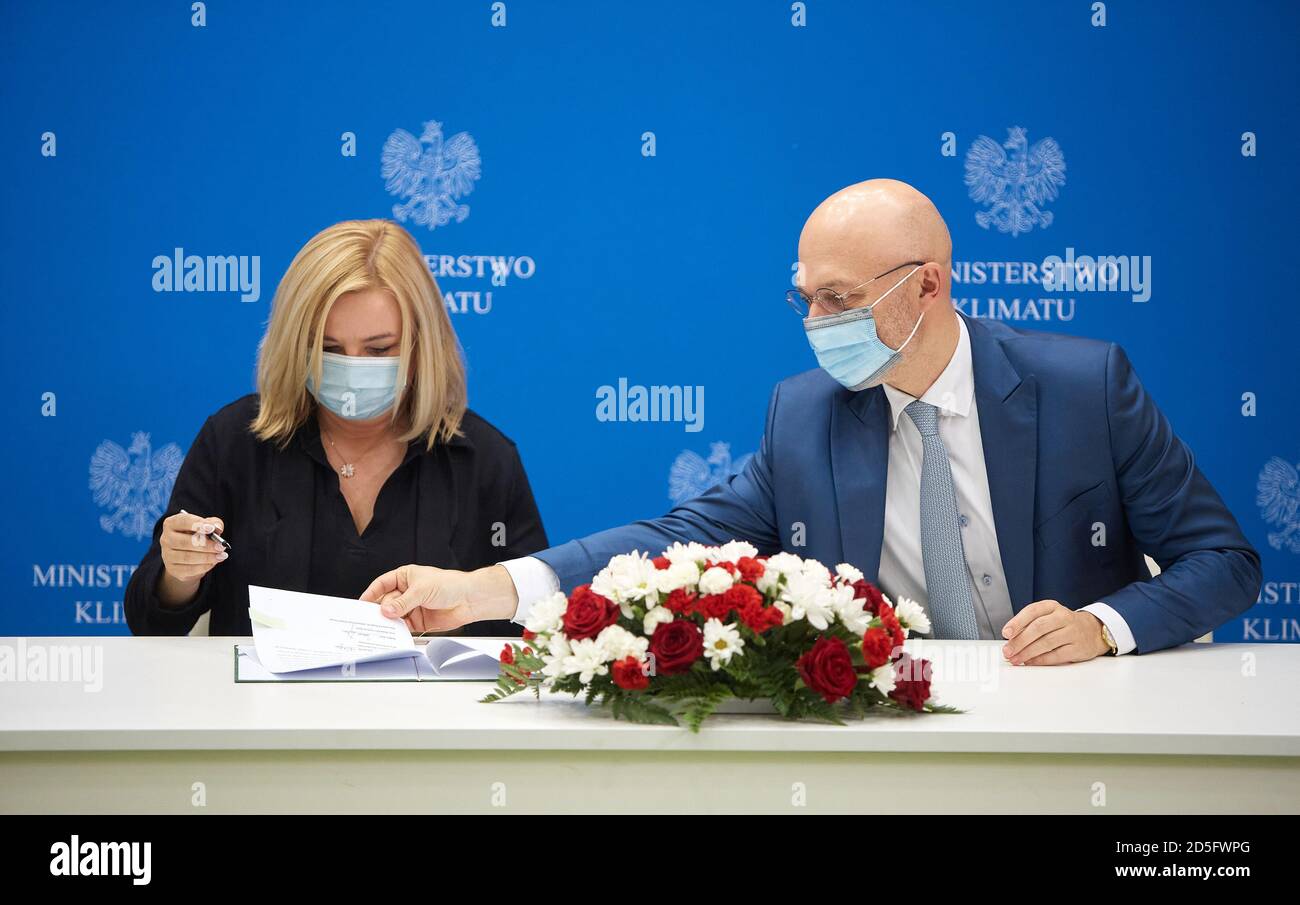
Government engagement remains a focal point for the industry, particularly regarding the need for long-term predictability. Andreas Bjelland Eriksen, the Minister of Climate and Environment, is scheduled to address the conference on the morning of March 24 to discuss how the government intends to follow up on Stortinget’s (the Norwegian Parliament) resolutions. The session is expected to clarify the state’s approach to securing the stability required for large-scale investment.
Frode Halvorsen, the chairman of Biogass Norge and CEO of Redo Biosolution, emphasized the necessity of a unified approach to building a sustainable and profitable industry. His keynote, titled How can the industry and the authorities together build a sustainable and profitable biogas industry?
, underscores the collaborative nature of the current growth strategy.
The complexity of the biogas value chain is a recurring theme in industry discussions. The sector encompasses a wide array of raw materials, including livestock manure and organic waste, which are processed into energy, heat, and fuel. Industry participants are tasked with identifying one concrete barrier within their specific segment of the chain that must be addressed to foster innovation and profitability.
A Landscape of Ongoing Development
While the conference serves as a strategic hub, the broader Norwegian biogas landscape continues to evolve through localized projects and regional developments. Throughout the spring of 2026, various initiatives have marked the sector’s activity. For instance, recent reports indicate that the project in Sømna has reached a state of operational stability, while other regions have seen mixed progress.
In April 2026, specific developments included a political decision favoring the Biovind project and the emergence of new farm-based facilities, such as the installation at Jaren on April 1. Simultaneously, larger-scale players have adjusted their footprints; for example, Biofrigas opted to discontinue a 15 GWh project in late March.
These individual projects, ranging from the technical upgrades at the Veas facility to the establishment of new plants in Trøndelag, illustrate the fragmented but active nature of the current market. The sector is characterized by a high degree of regulatory dependency, as evidenced by the frequency of local government approvals and environmental administrative decisions appearing in industry discourse.
Technical Integration and Market Scaling
A significant portion of the conference agenda is dedicated to the technical realities of scaling production beyond pilot operations. This involves granular discussions on the chemical and logistical requirements for processing diverse feedstocks. For operators, the transition from small-scale farm digestors to industrial-grade facilities requires standardized regulatory approval processes, which remain a point of contention for project developers.
The conference will also host dedicated workshops examining the efficiency of current upgrading technologies, which convert raw biogas into biomethane suitable for grid injection or transport fuel. As the national 1 TWh target looms, there is an industry-wide push to harmonize the quality standards across regional plants. This standardization is viewed as essential for the development of a liquid biogas (LBG) market, which requires consistent chemical profiles to satisfy heavy-duty transport and industrial off-take agreements.
Economic Viability and Policy Alignment
The financial architecture of the industry remains tethered to government support mechanisms. Discussions in Stavanger are slated to address the duration and predictability of investment grants, which have historically been subject to annual budget cycles. For developers, the lack of multi-year financial clarity acts as a deterrent to the long-term capital expenditure required for large-scale anaerobic digestion infrastructure.
Industry leaders are expected to present a unified position to government representatives, arguing that the transition from a subsidized nascent market to a self-sustaining commercial sector requires a stable policy environment that extends beyond immediate political terms. The interaction between the Ministry of Climate and Environment and industry stakeholders at the conference is intended to move beyond high-level strategy to address the specific financial mechanisms—such as loan guarantees and operational subsidies—that would allow the industry to meet the 1 TWh milestone.
The overarching challenge remains the integration of these disparate efforts into a cohesive national infrastructure. As the sector moves toward the second half of 2026, the discussions in Stavanger are expected to set the tone for how these individual projects—and the policies governing them—will either accelerate or continue to struggle against existing operational constraints. The industry’s ability to move from current pilot stages to a standardized, high-volume model will depend heavily on the outcomes of these high-level policy dialogues.
