
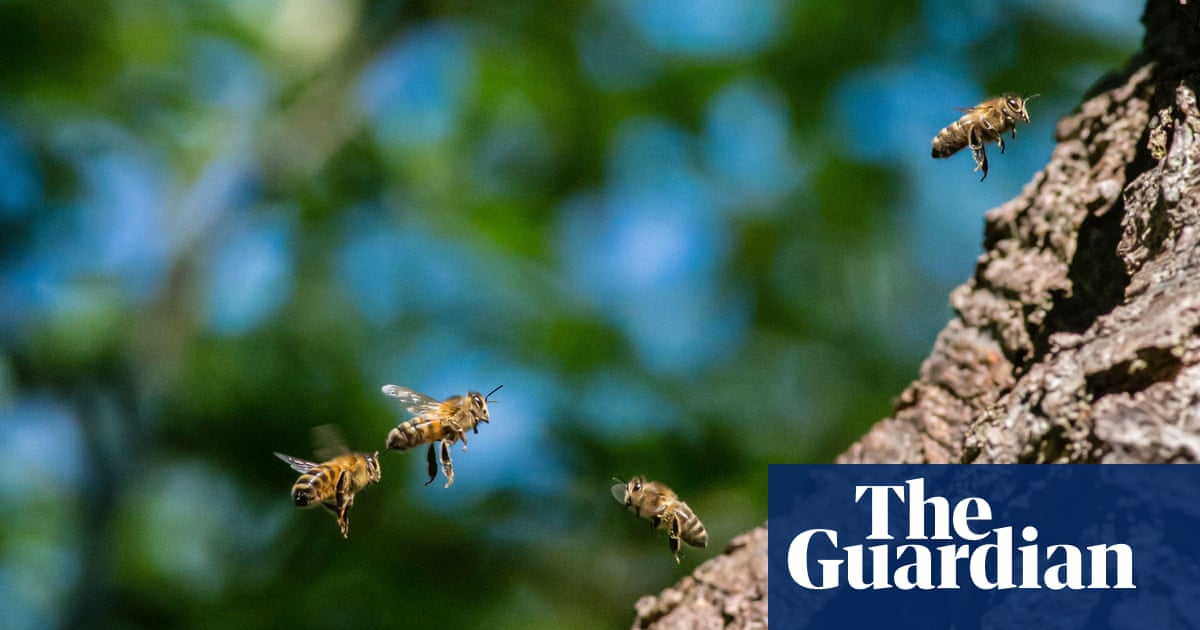
European Bee and Butterfly Populations Face Escalating Extinction Risk
A new assessment reveals the number of wild bee species at risk of extinction in Europe has more than doubled in the last decade, while endangered butterfly species have nearly doubled, signaling a critical threat to the continent’s ecosystems.
Scientific studies conducted for the International Union for Conservation of Nature (IUCN) Red List of Threatened Species found that at least 172 bee species out of 1,928 are now at risk of extinction in Europe. The number of butterflies threatened with extinction has risen from 37 to 65 since the last assessment 14 years ago, with the Madeiran large white (Pieris wollastoni) now declared extinct. “Beyond their beauty and cultural significance, pollinators like bees and butterflies are lifelines for our health, our food systems and our economies – sustaining the fruits, vegetables and seeds that nourish us,” said IUCN Director General Grethel Aguilar. The decline in pollinators could have significant consequences for European agriculture, which relies heavily on these species for crop production.
The primary drivers of these declines include habitat destruction and damage from agricultural intensification and land abandonment, wetland drainage, overgrazing, and the use of pesticides like neonicotinoids. Global heating is also a major factor, impacting 52% of endangered butterflies – approximately twice as many as a decade ago. Species found on mountaintops are particularly vulnerable as warming temperatures force them to move to higher elevations with limited space, while those in the Mediterranean region are threatened by drought and wildfires. You can learn more about the impact of climate change on biodiversity from the IUCN website.
Experts emphasize the importance of flower-rich grasslands, which are rapidly disappearing across Europe. “The biggest habitat for all these pollinators is flower-rich grassland and that is disappearing very fast across Europe because of all these factors,” said Martin Warren, a lead coordinator of the butterflies assessment. However, there is optimism surrounding the EU nature restoration legislation, which requires member states to reverse the decline in pollinators by 2030. The European Commission has also implemented an EU-wide monitoring system for pollinators, building on previous assessments like the European Red List of Hoverflies. EU Commissioner for Environment, Water Resilience and a Competitive Circular Economy, Jessika Roswall, described the conservation status as “dire” and stressed the need for urgent collective action.
Officials say implementation of the EU legislation and cooperation with member states will be crucial to protecting these vital pollinator populations.
