Abelardo de la Espriella, a far-right lawyer and businessman endorsed by former U.S. President Donald Trump, won the preliminary count of Colombia’s presidential runoff election on Sunday, June 21, 2026. The National Civil Registry reported de la Espriella secured 49.65% of the vote, narrowly defeating government-backed candidate Iván Cepeda, who received 48.71%.
Election Results and Voting Discrepancies
The runoff election concluded with a margin of fewer than 250,000 ballots between the two candidates, according to CNN. With 99.91% of the votes counted, the National Civil Registry released preliminary data indicating a victory for de la Espriella. However, the result remains subject to challenge.
In the Colombian electoral system, the National Civil Registry (Registraduría Nacional del Estado Civil) is responsible for organizing the logistics of voting and releasing preliminary, non-binding results on election night. These results are used for informational purposes but do not constitute an official declaration of a winner. The formal process, known as the “escrutinio,” involves the National Electoral Council (CNE) reviewing the actas—the official tally sheets signed by poll workers at every voting station—to resolve disputes and verify the final totals.
Iván Cepeda has not conceded, describing the preliminary count as information that is not yet legally binding. Cepeda announced that his team of poll watchers and legal representatives are in the process of challenging 33,000 polling stations across Colombia. Colombian President Gustavo Petro also emphasized that the official vote tally is required to determine the presidency, stating on X that he will abide by the judges’ final decision.
The scale of the challenge initiated by the Cepeda campaign targets a significant portion of the nation’s electoral infrastructure. Under Colombian law, political parties have the right to file formal complaints regarding irregularities during the escrutinio phase. These challenges are adjudicated by the members of the National Electoral Council, a body composed of magistrates elected by Congress to oversee the transparency and legality of the electoral process.
International Reaction and Political Alliances
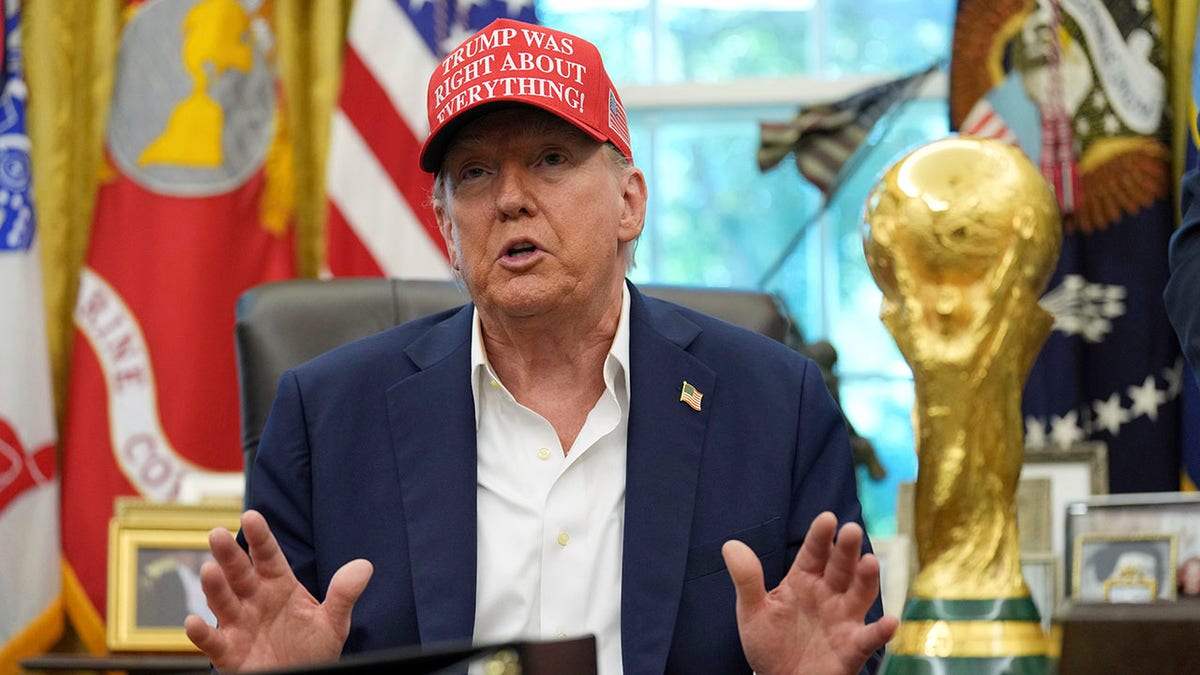
De la Espriella, who is known by the nickname “El Tigre,” claimed he received a congratulatory call from Donald Trump following the preliminary results. According to CNN, the candidate told his supporters that Trump expressed support and recognition of the victory.
U.S. Secretary of State Marco Rubio also confirmed his contact with the candidate.
The Trump Administration looks forward to working closely with your incoming administration to advance regional security cooperation, end illegal immigration to the United States, and strengthen our economic ties. Colombia’s best days are ahead.
Abelardo de la Espriella gana la elección presidencial en Colombia
Marco Rubio, U.S. Secretary of State
The involvement of the United States in Colombian electoral outcomes reflects the historically significant bilateral relationship between the two nations, often centered on counternarcotics, security, and trade agreements. The public acknowledgment by the U.S. State Department during the sensitive period of ballot verification highlights the geopolitical stakes of the transition, as the two countries remain primary partners in regional security initiatives.
Domestically, de la Espriella received endorsements from former presidential candidate Paloma Valencia and former President Álvaro Uribe. Uribe publicly stated his belief that the leader of the “Defenders of the Homeland” movement will become the next president of Colombia.
Policy Rhetoric and Future Implications
De la Espriella has built his platform on conservative nationalism, frequently drawing comparisons to Salvadoran President Nayib Bukele due to his “tough-on-crime” rhetoric. The candidate has promised a more confrontational approach toward criminal organizations, characterizing his preliminary win as a victory against the current regime.
The legal professional, who specializes in administrative law and previously gained public attention for his defense of David Murcia during the D.M.G. Grupo Holding S.A. fraud scandal, is scheduled to assume office on August 7, 2026, pending the certification of the final vote count. The narrow 0.94% gap between the candidates represents the closest margin of victory in the history of Colombian presidential elections, according to Wikipedia.
The transition period in Colombia, which spans from the election in June to the inauguration in August, is designed to allow for the administrative handover of power. However, the current tension surrounding the 33,000 challenged polling stations introduces uncertainty into this timeline. The National Electoral Council now faces the task of conducting a thorough review to ensure that the final certification satisfies the requirements of the Colombian Constitution, which mandates that the presidency be determined through a transparent and verifiable democratic process.
As the National Civil Registry prepares the final, binding count, the political situation in Colombia remains tense, with both the government and the opposition awaiting formal adjudication of the challenged polling stations.
Bio:
John Smith is the World Editor at Headlinez.News, leading the global news desk and overseeing international correspondents. With 15 years of field experience across Europe, the Middle East, and Asia, John has reported from conflict zones, summits, and humanitarian missions. His deep understanding of geopolitical trends and cross-cultural reporting ensures that readers receive accurate, balanced perspectives on world events that shape the global narrative.
Expertise: International reporting, geopolitics, diplomacy, conflict journalism, foreign policy analysis.
Location: London, United Kingdom