
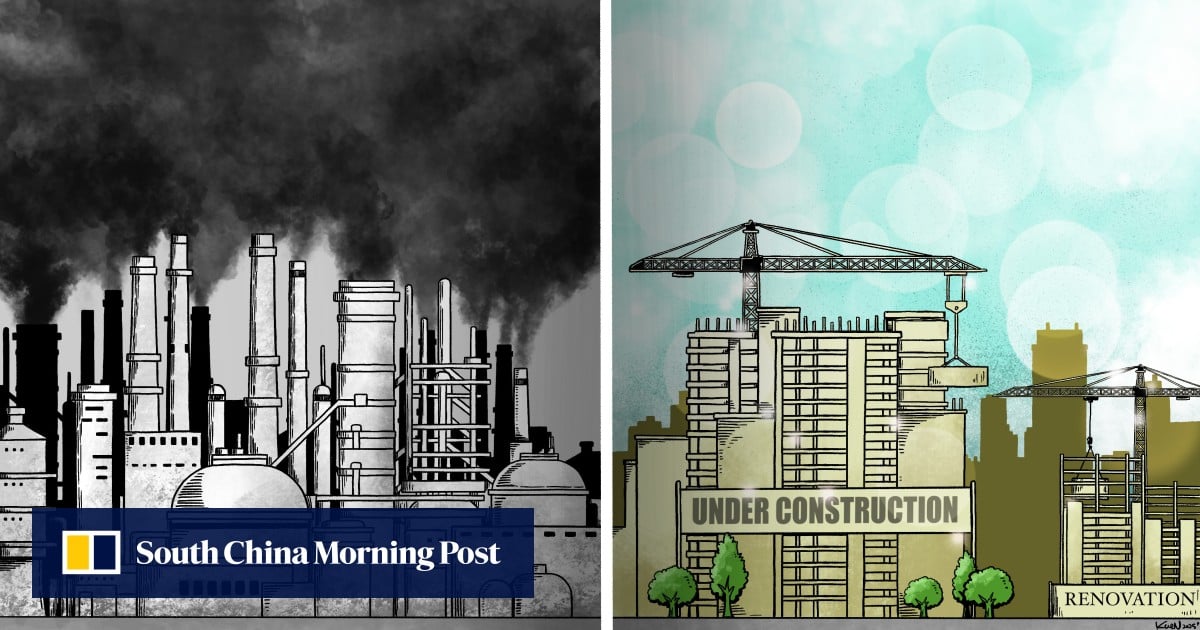
Panzhihua, China, Shifts from Steel Production to Wellness Tourism
The Chinese city of Panzhihua, once a major industrial center known as the “steel capital” of western China, is undergoing a significant economic transformation, pivoting towards wellness resorts and tourism as it adapts to a national shift towards “people-centred” development.
Built in the 1960s in Sichuan province on the upper reaches of the Yangtze River, Panzhihua drew workers to fuel China’s industrial ambitions, becoming reliant on the iron ore mined in the surrounding hills by Pangang Group, western China’s largest steel enterprise. Today, the city has a population of approximately 1.2 million and is attempting to diversify its economy to avoid a decline similar to that experienced by “rust belt” cities in the United States. This transition is particularly important as China grapples with the economic and social consequences of slowing growth.
Despite progress, Panzhihua continues to face challenges, including a narrow industrial base, limited innovation capacity, and difficulties attracting skilled workers. According to Song Yingchang, a researcher at the Chinese Academy of Social Sciences, “China’s many resource-dependent cities…were key tools of productivity in the planned economy era. But after decades of development, many face the dilemma of resource depletion.” He further stated that “Panzhihua is a microcosm of China’s urbanisation shift, from ‘industry-driven city-building’ to ‘people-centred’ development,” but cautioned that complete success in this transition remains elusive for many cities. You can read more about China’s economic shifts here.
City officials have indicated they will continue to invest in tourism and environmental improvements, aiming to leverage Panzhihua’s natural beauty – the city is named after a type of kapok flower – to attract visitors and create new economic opportunities.
