

Health officials in the Netherlands lifted the quarantine order for the cruise ship MS Rotterdam on Friday, June 19, 2026. Local health authorities cleared the vessel after completing medical screenings for hantavirus, following a brief period of isolation at the Port of Rotterdam that impacted nearly all passengers and crew members.
Clearance of the MS Rotterdam Quarantine
Public health authorities in the Rotterdam-Rijnmond region confirmed the end of the containment measures early Friday morning. The quarantine, which began earlier this week, was initiated after a crew member presented symptoms consistent with a hantavirus infection.
The GGD (Municipal Health Service) Rotterdam-Rijnmond coordinated the response, conducting clinical assessments for the hundreds of individuals on board. Officials stated that the diagnostic results did not indicate an active outbreak or a broader transmission risk among the ship’s population. In maritime health protocols, the GGD acts as the primary oversight body for communicable disease control at the port, working in alignment with the International Health Regulations (IHR) established by the World Health Organization. These regulations provide the legal framework for countries to prevent and respond to the international spread of disease while minimizing interference with international traffic and trade.
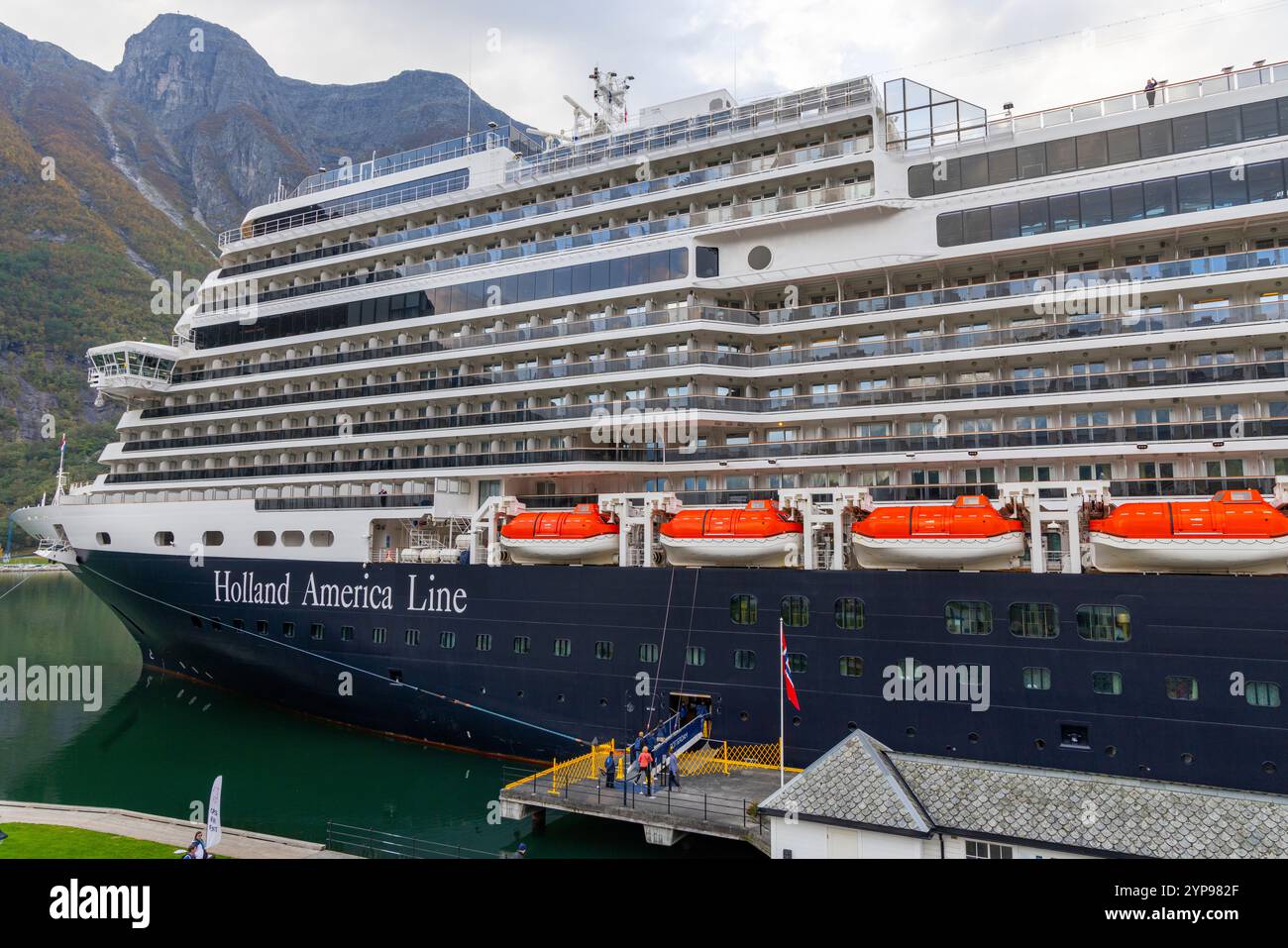
While hantavirus is primarily transmitted through contact with rodent excreta, the cruise line followed strict international health protocols by notifying port authorities immediately upon the identification of the symptomatic individual. The immediate isolation of the vessel is a standard precautionary procedure when an infectious agent is suspected, allowing public health officials to establish a “cordon sanitaire” to prevent potential environmental transmission while diagnostic testing is performed.
The medical evaluation of all passengers and crew has been completed, and we have found no evidence of further transmission. The vessel is authorized to resume its scheduled operations effective immediately.
GGD Rotterdam-Rijnmond spokesperson
Understanding Hantavirus Risks in Maritime Settings
Hantavirus pulmonary syndrome (HPS) is a rare but severe respiratory disease. According to the Centers for Disease Control and Prevention (CDC), the virus does not spread from person to person, which differentiates it from common viral respiratory illnesses like influenza or COVID-19. HPS is caused by a group of viruses that are primarily carried by specific species of rodents, including deer mice, cotton rats, and rice rats. Transmission occurs when aerosolized virus—found in rodent urine, droppings, or nesting materials—is inhaled by humans.
The primary concern for health officials during the incident was identifying the source of exposure. Because the virus is typically contracted in environments where rodents are present, port sanitarians conducted an inspection of the ship’s food storage and ventilation systems. No significant environmental hazards were identified during the sweep. This inspection process is a standard component of maritime sanitation audits, which focus on identifying conditions that could facilitate pest harborage, such as gaps in food storage containers or compromised structural seals in storage areas.
The clinical presentation of hantavirus often begins with flu-like symptoms, including fever, muscle aches, and fatigue, which can rapidly progress to respiratory distress. Because these initial symptoms are non-specific, clinicians must maintain a high index of suspicion, especially if a patient has a history of exposure to areas where rodents are known to thrive. The CDC emphasizes that early medical intervention is critical for managing the symptoms of HPS, as the condition can be life-threatening if it progresses to the pulmonary phase.
The cruise operator confirmed that the affected crew member remains under medical care at a local facility. The company did not disclose specific details regarding the patient’s condition, citing privacy regulations. Under European and Dutch medical privacy laws, health data remains protected, and organizations are prohibited from disclosing identifiable health information without explicit consent.
Impact on Scheduled Cruise Operations
The lifting of the quarantine allows the MS Rotterdam to depart the port, though the company noted that the schedule for the current voyage remains subject to adjustment. Passengers were briefed on the health findings throughout the morning, and the line has offered support services for those concerned about the delay. Cruise operations often involve complex logistics; when a vessel is held at port, the operator must coordinate with port authorities, fuel suppliers, and victualing services to recalibrate the itinerary.
This event marks the first significant health-related detention of a cruise vessel in the Netherlands for 2026. The swift resolution highlights the established cooperation between maritime operators and the GGD. Port authorities emphasized that the precautionary measures were essential to ensure the safety of both the passengers and the surrounding community. Such incidents underscore the necessity of maintaining robust onboard medical facilities and the importance of timely reporting to shore-based health authorities.
For individuals seeking further information on hantavirus symptoms, consult your healthcare provider. Medical professionals can provide specific guidance based on a patient’s unique health history and potential exposure risks. Future updates regarding the ship’s itinerary will be communicated directly to passengers by the cruise line’s guest services department.
Find more reporting in our Health section.
