
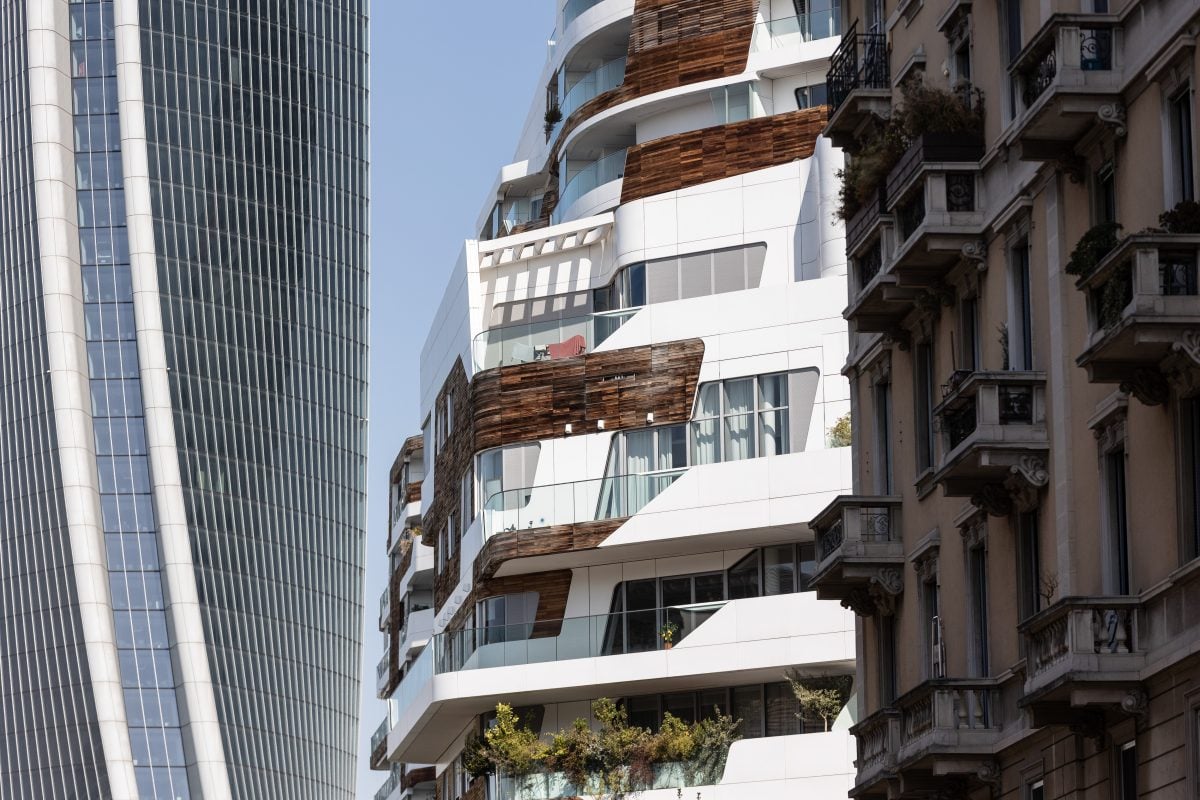
April 22, 2026 — Milan’s housing market has reached a critical juncture, with property prices now surpassing those seen in London during its 1990s housing crisis, according to verified reports from the Financial Times cited in multiple Italian media outlets.
The city’s transformation following major events such as Expo 2015, Brexit, and the post-pandemic period has significantly increased its appeal as both a tourist destination and a residential hub. This heightened desirability has driven up demand across central districts and popular neighborhoods like Navigli, Brera, and Isola, putting sustained pressure on the local housing supply.
Data from real estate monitors such as Tecnocasa confirms that property prices in Milan’s city center have risen by approximately 5.5% in recent periods. In some prime locations, prices per square meter have reportedly exceeded 30,000 euros, placing Milan among the most expensive cities in Europe for residential real estate.
The situation has been exacerbated by an influx of international buyers and investors seeking luxury properties. Reports indicate that foreign buyers have been involved in transactions exceeding six million euros, primarily targeting high-end segments in historic centers and waterfront developments.
These trends have not been uniform across the metropolitan area. While certain peripheral zones have experienced more moderate growth, central areas continue to face intense pricing pressure, raising concerns about long-term social and economic sustainability for middle-income residents.
The surge in values reflects broader patterns of appreciation seen throughout Italy’s largest economic center, where limited supply and strong foreign interest continue to reshape the urban landscape.
