
Ma Maison, Former Hollywood Hotspot, Marked by Tragedy and Celebrity
Los Angeles – A celebrated French restaurant once synonymous with Hollywood glamour, Ma Maison, is remembered today not only for its innovative farm-to-table cuisine but also for a dark chapter involving murder and the subsequent decline of its celebrity clientele.
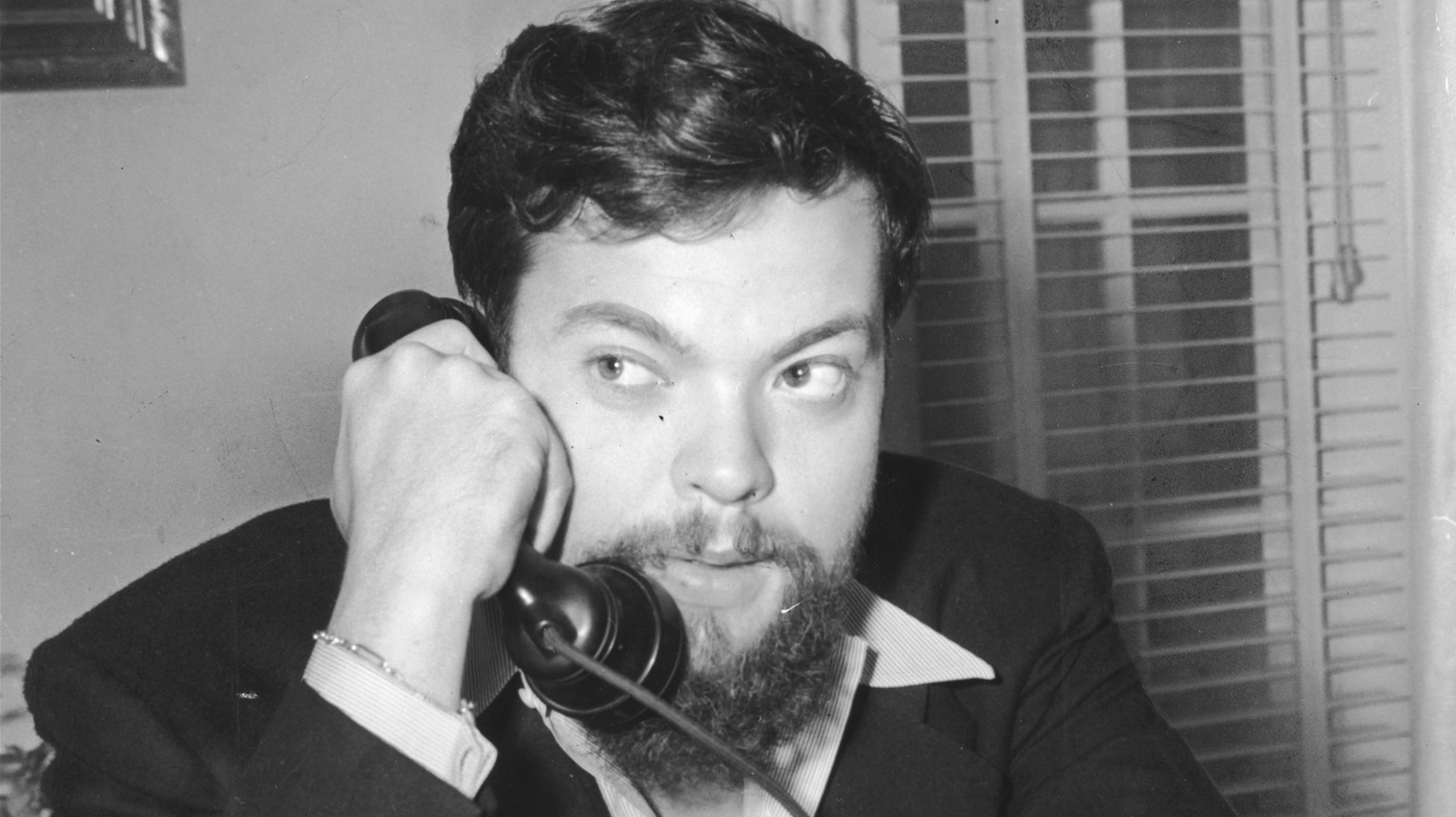
Founded in 1973 with backing from figures like Gene Kelly, Ma Maison underwent a transformation in 1975 with the arrival of Wolfgang Puck. Prior to Puck’s influence, the restaurant served unremarkable dishes; however, Puck revolutionized the menu by sourcing fresh, local produce directly from farms between Los Angeles and San Diego. This approach, uncommon for the time, showcased the best of California’s agricultural bounty and quickly attracted a discerning crowd, including filmmaker Orson Welles, who frequently served as a taste-tester for Puck’s new creations.
The restaurant became renowned for its opulent atmosphere, evidenced by the constant presence of Rolls Royces in its small parking lot, and its regular patrons included actors Jack Nicholson and Marlon Brando, as well as musicians Elton John and Bonnie Raitt. Ma Maison also hosted influential “drunk lunches” for lawyers and businessmen, cultivating an air of exclusivity by refusing to publicly list its reservation phone number. However, this aura of decadence was shattered in 1982 when sous chef John Sweeney was charged with the murder of his ex-girlfriend, actress Dominique Dunne.
Sweeney was convicted of manslaughter in Dunne’s death, reportedly strangling her during an argument. The incident sparked controversy, with some alleging that Ma Maison’s founder, Patrick Terrail, attempted to intervene on Sweeney’s behalf, though Terrail denied these claims. The resulting public relations fallout led to a significant drop in celebrity patronage, ultimately contributing to the restaurant’s decline; the case remains a stark reminder of the intersection of fame, power, and tragedy in Hollywood. You can learn more about the Dominique Dunne case here. The rise and fall of Ma Maison mirrors the often-turbulent history of Los Angeles dining, as explored in this recent article.
Authorities have stated that the case remains closed, though the legacy of Ma Maison continues to be debated as a cautionary tale of Hollywood excess.
