
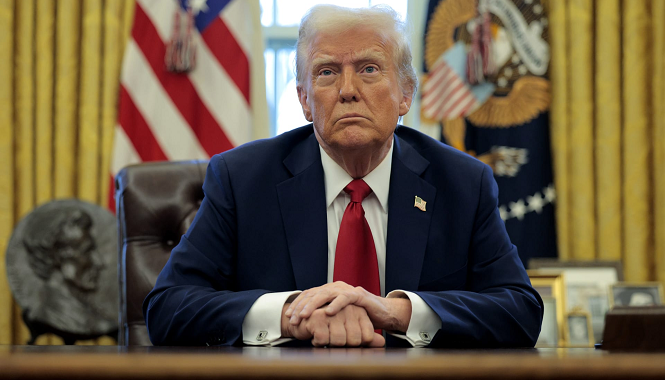
President Donald Trump and Pakistani officials announced plans for a preliminary agreement to end the conflict between the United States and Iran, initially targeting a signing date of Sunday, June 14, 2026. However, Iranian officials have disputed the timeline, citing logistical uncertainties and ongoing internal review, leaving the immediate path to a formal deal in flux.
Conflicting Timelines and the Diplomatic Standstill
The diplomatic push to resolve the conflict has hit a friction point regarding the schedule for signing a memorandum of understanding. President Trump stated on social media that an agreement was set for Sunday, asserting that the closure of the Strait of Hormuz—a critical global oil artery—would be reversed immediately upon the deal’s execution. Yet, Tehran has pushed back against the urgency suggested by Washington and Islamabad.
Esmail Baghaei, spokesperson for the Iranian Ministry of Foreign Affairs, cautioned against assuming a Sunday deadline. According to reporting from CNN Arabic, Baghaei stated there are no current plans for Iranian officials to travel to Geneva or any other location for a signing ceremony within the next 48 hours.
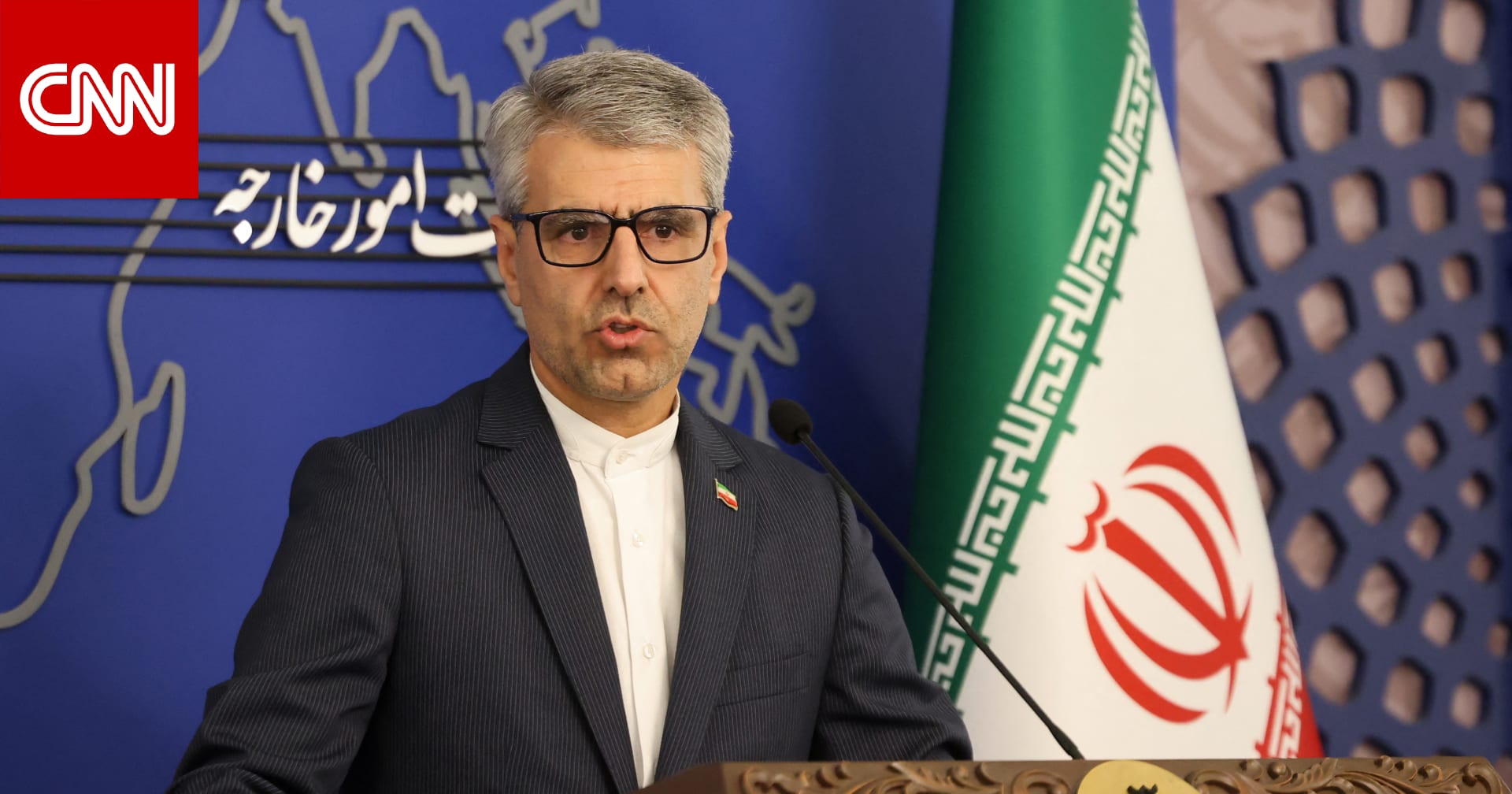
“We must wait for the specified time for the signing, but there are no plans to travel to Geneva or anywhere else in the next two days.”
Esmail Baghaei, spokesperson for the Iranian Ministry of Foreign Affairs, via CNN Arabic
This diplomatic friction reflects the broader complexities of international mediation. When third-party nations, such as Pakistan, act as intermediaries in conflicts involving the United States, they often operate in high-pressure environments where domestic political optics in both Washington and Tehran must be managed simultaneously. The reliance on indirect communication channels often leads to discrepancies in public messaging, as each side attempts to frame the progress of negotiations to suit their respective strategic interests.
Logistics of the “Remote” Signing Option
While the prospect of an in-person summit in cities like Geneva or Vienna has been floated, Sky News Arabia reports that U.S. officials have shifted their planning away from a physical meeting. Logistical challenges have led negotiators to prioritize an electronic signing process, a move potentially supported by the Pakistani mediation team.
For more on this story, see Trump Claims Iran Deal Close Amid Naval Tensions.
The role of Pakistan has become increasingly visible in the negotiations. Prime Minister Shehbaz Sharif noted that the framework for a peace deal is currently being finalized. As reported by Sabq, some sources suggest the document could be dubbed the “Islamabad Declaration” to honor the country’s role as a mediator. Despite the optimism from Islamabad, Iranian Foreign Minister Abbas Araghchi indicated that the text remains subject to modification, emphasizing that Tehran views its position as having strengthened throughout the conflict.
The transition toward a remote signing process is indicative of the deep-seated mistrust that characterizes the current U.S.-Iran relationship. In international diplomacy, the physical act of signing a treaty often serves as a symbolic gesture of reconciliation. By opting for a remote process, both parties effectively limit the optics of a direct rapprochement, which is often a political necessity for leaders facing hardline domestic factions that oppose any engagement with their adversary.
This follows our earlier report, US and Iran Near Peace Deal as Pakistan Mediates Potential Agreement.
Stakes on the Ground: Uranium and Maritime Security
The proposed deal reportedly hinges on specific performance-based benchmarks. According to U.S. officials, the agreement includes the destruction of enriched uranium stockpiles and the dismantling of specific aspects of Iran’s nuclear program. In exchange, the U.S. would lift the naval blockade currently stifling Iranian ports, allowing for the resumption of oil exports.

The military reality remains tense. Recent reports from the U.S. Central Command confirmed the interception of several Iranian attack drones near the Strait of Hormuz, which officials described as a threat to commercial shipping. This incident occurred shortly after reports of internal dissent within Iran, where protesters in cities like Mashhad have publicly signaled their opposition to the concessions discussed by the Iranian government.
The Strait of Hormuz serves as a critical chokepoint for global energy supplies, with a significant percentage of the world’s oil transiting through the narrow waterway. Any disruption, whether through military blockade or aggressive naval posturing, historically causes immediate volatility in global oil markets. The U.S. position, as communicated by the administration, links the normalization of commercial transit through these waters directly to the verifiability of Iranian nuclear compliance. This “tit-for-tat” approach is consistent with long-standing U.S. policy aimed at curbing regional proliferation through economic pressure, though it faces constant challenges from the shifting geopolitical landscape in the Middle East.
Read also: US and Iran Nearing ‘Final, Agreed Upon Text’ of Peace Deal.
| Proposed Action | Status / Context |
|---|---|
| Signing Method | Electronic/Remote (preferred due to logistics) |
| Primary Goal | Reopening Strait of Hormuz |
| Nuclear Provision | Destruction of enriched uranium |
| Mediator | Pakistan (Islamabad) |
As of Sunday, the immediate future of the agreement rests on whether Tehran and Washington can reconcile their differing views on the pace of the process. While U.S. officials maintain that the deal is “extremely strong,” the Iranian side continues to emphasize a cautious approach, warning that the timeline remains under review. The divergence in these narratives highlights the inherent difficulty in reaching an accord when the domestic audiences of both nations hold fundamentally opposed expectations regarding the outcome of such negotiations.
Find more reporting in our World section.
