

Partybloom Aims to Combat Loneliness by Converting Digital Connections into Real-World Outings
In an era dominated by screen-based interaction, a new application called Partybloom is attempting to pivot the social experience back toward physical presence. The app is designed specifically to help users organize social outings and forge new friendships through shared activities, bridging the gap between digital networking and tangible human connection.
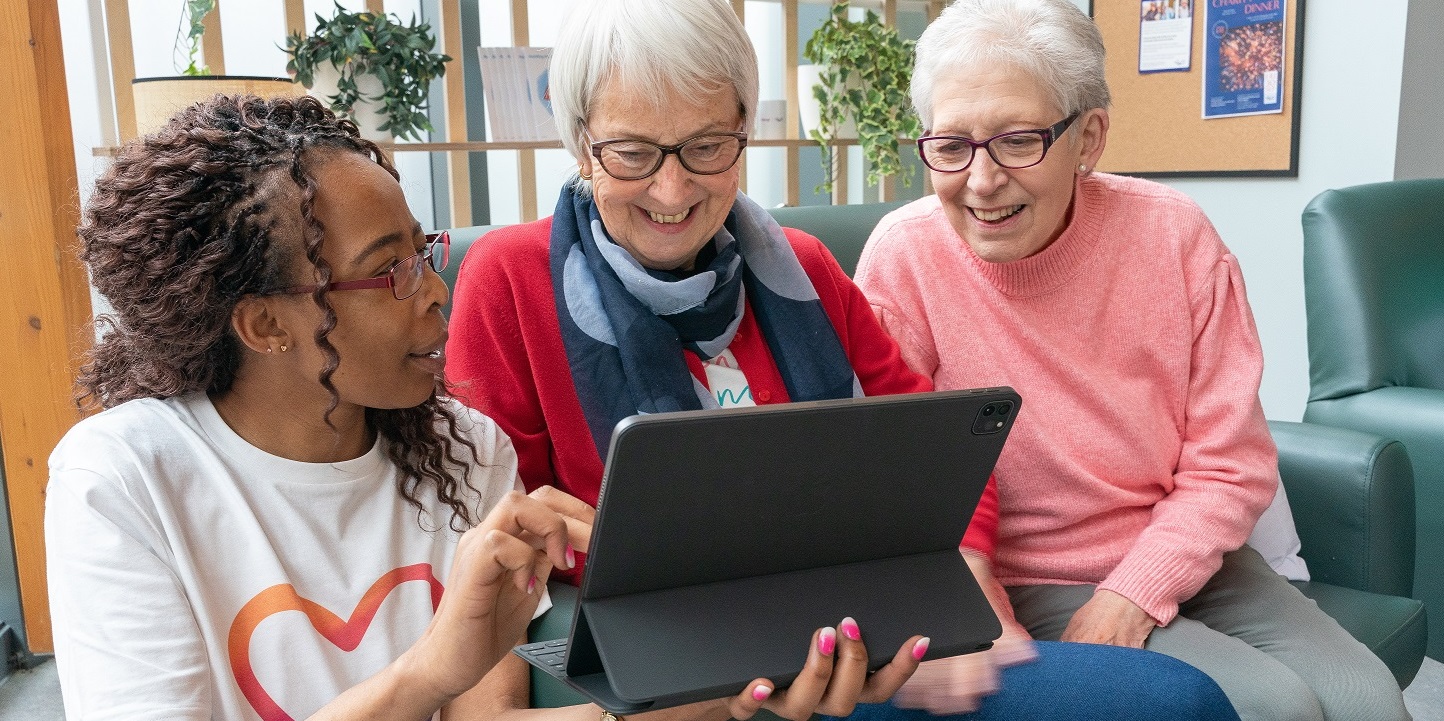
At the heart of the platform is the concept of “blooms,” which function as user-generated social invitations. Rather than relying on the traditional social media model of endless messaging or profile scrolling, Partybloom encourages users to propose a concrete activity—complete with a specific time and location—which others can then join. This shift in social architecture prioritizes the event over the digital persona, facilitating a more direct transition from the app to a real-life meeting.
This mechanism is intended to lower the barrier to entry for meeting new people. By centering the interaction around a specific hobby or shared interest, the app reduces the social friction and anxiety often associated with meeting strangers. Users have the flexibility to either take the initiative by creating their own “bloom” or browse a curated feed of existing invitations to identify an outing that aligns with their current interests.
The launch of Partybloom highlights a growing trend in the digital economy to address social isolation and the “loneliness epidemic.” By prioritizing real-life meetings over digital curation, the platform seeks to provide a more effective tool for those looking to expand their social circles in a meaningful, physical way.
Whether for newcomers to a city or those simply looking to diversify their social group, the app focuses on the belief that shared experiences are the most efficient catalyst for genuine friendship. This approach signals a broader movement within the tech industry to create “social” tools that actually encourage users to spend less time on their phones and more time in their communities.
