
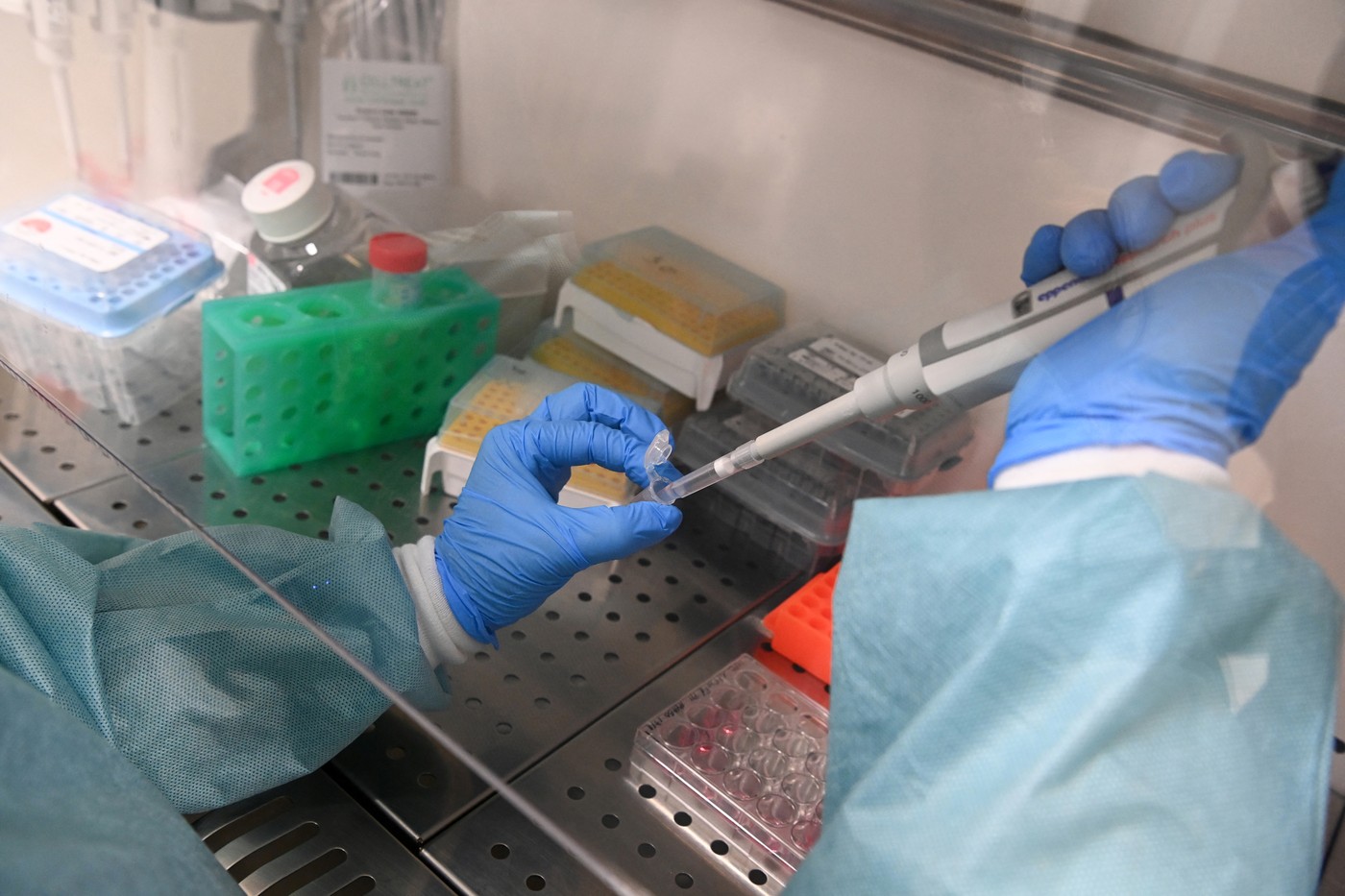
Researchers have developed a personalized mRNA vaccine aimed at treating pancreatic cancer, one of the most aggressive and difficult-to-treat forms of the disease.
The vaccine is designed to target specific mutations found in an individual’s tumor, training the immune system to recognize and attack cancer cells carrying those unique genetic markers.
Early-stage clinical trials have shown promising immune responses in patients, with some demonstrating delayed disease progression following vaccination.
Scientists involved in the project emphasized that while the approach is still experimental, it represents a significant step forward in the development of tailored immunotherapies for hard-to-treat cancers.
The National Institutes of Health has supported research into mRNA-based cancer treatments, highlighting the potential of this technology beyond infectious disease applications.
Experts caution that larger, longer-term studies are needed to determine the vaccine’s effectiveness in improving survival rates, but the initial results have generated cautious optimism in the oncology community.
This personalized vaccine strategy reflects a broader shift toward precision medicine, where treatments are customized based on the genetic profile of a patient’s disease.
As research continues, scientists hope that mRNA vaccines could eventually become a viable option for treating not only pancreatic cancer but other malignancies with limited therapeutic options.
