
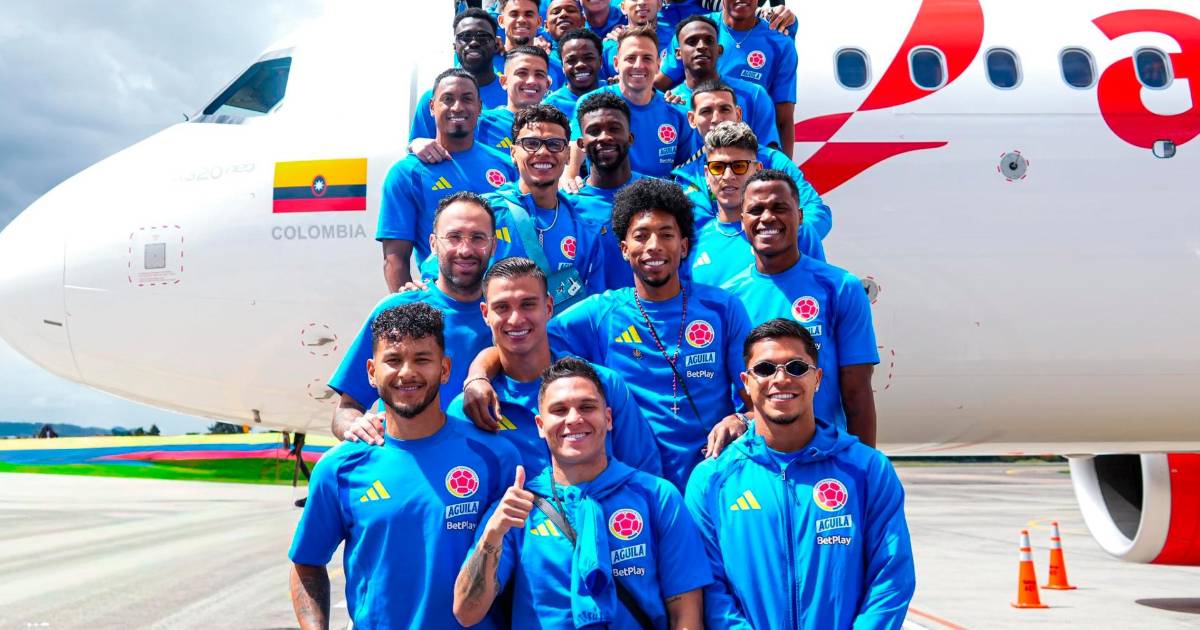
The Colombian national football team departed Bogotá on June 4, 2026, for the FIFA World Cup in North America, marking the final phase of preparations for the expanded 48-team tournament. The ceremonial send-off at Military Airport Catam included President Gustavo Petro, who presented the national flag to the squad and delivered a speech emphasizing unity and humility, while the team’s route to the tournament—via San Diego, California, and Mexico—highlighted strategic logistical planning.
The Ceremonial Send-Off in Bogotá
The team’s departure from Bogotá’s Military Airport Catam was a tightly choreographed event, attended by President Gustavo Petro, Sports Minister Patricia Duque Cruz, and Ramón Jesurún, president of the Colombian Football Federation. According to El Colombiano, the 26 players and coaching staff gathered for a farewell ceremony where Petro personally handed each player a “vueltiao” hat, a traditional Colombian headpiece, before they boarded their flight. The president’s speech, quoted in La Silla Vacía, emphasized national pride: “Saben ustedes perfectamente qué representan: este país. Sus sueños y las aspiraciones. Les deseamos el mejor trascurrir en este Mundial de fútbol.”
The event underscored the symbolic weight of the World Cup for Colombia, which is competing for the first time with 48 teams. The team’s departure followed a two-week training camp in Bogotá, with Néstor Lorenzo, the head coach, overseeing final preparations. The ceremony also included a moment of introspection, as Petro advised the players to “lleven la humildad como principio antes que nada,” a phrase that resonated with fans and analysts alike.
Political Undertones in the Team’s Attire
The team’s journey to the World Cup has not been without controversy, particularly around the political symbolism of their jerseys. La Silla Vacía reported that the use of the national team’s jersey has long been a flashpoint in Colombian politics. During the 2026 election cycle, the jersey became a contentious issue, with candidates like Abelardo de la Espriella facing legal restrictions on its use after a court ruled against its political exploitation. President Petro himself had previously urged voters to wear the jersey during the second round of elections, framing it as a unifying gesture.
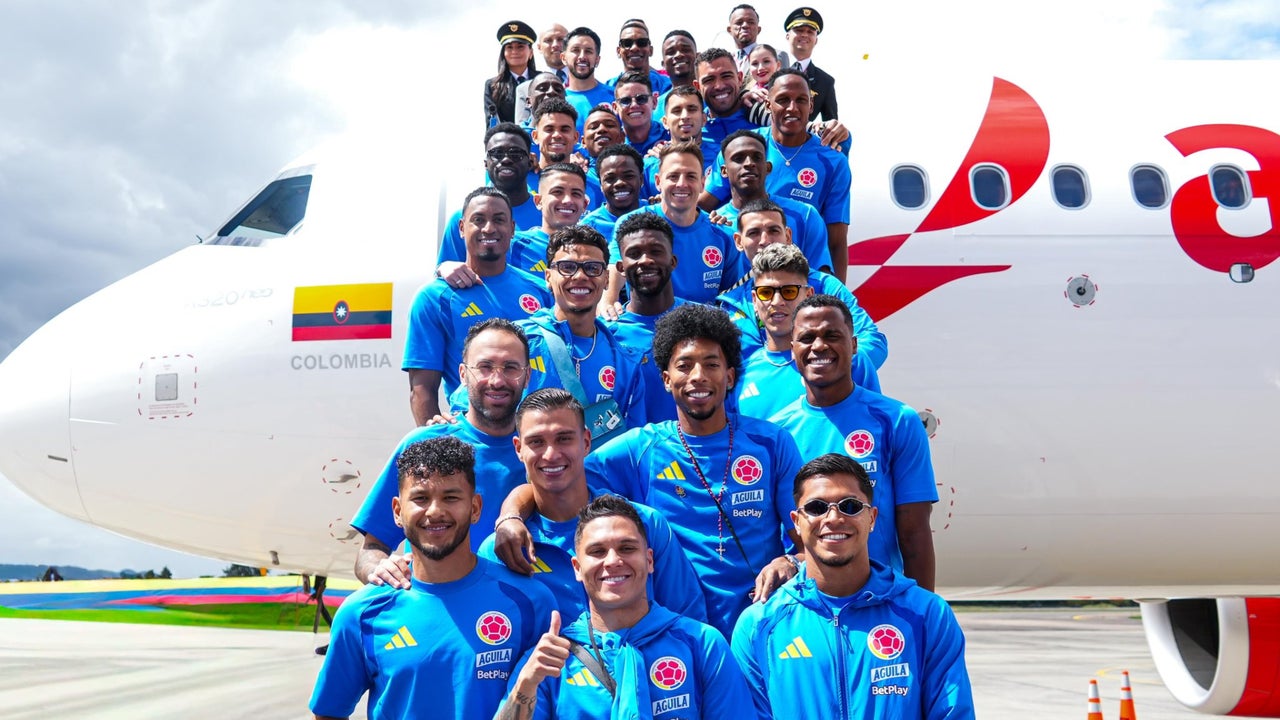
The federation has repeatedly warned against proselytizing with the jersey, but the practice persists. “The jersey is a symbol of national identity, not political allegiance,” a federation spokesperson told Win Sports. This tension between sports and politics adds a layer of complexity to Colombia’s World Cup campaign, as the team navigates both on-field and off-field challenges.
Logistical Route: From San Diego to Mexico
The team’s travel plan reflects a strategic approach to acclimatization and preparation. After departing Bogotá, the squad arrived in San Diego, California, on June 4, where they would face Jordan in a friendly match on June 7. El Colombiano noted that the choice of San Diego—close to the Mexican border—was deliberate, allowing the team to transition to a “Mundial mode” before heading to Guadalajara for further training. This route mirrors previous World Cup preparations, where teams often use U.S. cities as staging grounds for matches in Mexico.
The friendly against Jordan serves as the team’s final warm-up before the opening match against Uzbekistan on June 17 in Mexico City’s Azteca Stadium. The schedule is tight, with the team set to travel to Mexico on June 8 for intensive training sessions. Lorenzo, who took charge in mid-2022 after a failed World Cup qualification campaign, has emphasized the importance of this phase: “This is the moment to test our readiness,” he said in a pre-departure statement.
What’s Next for Colombia’s World Cup Campaign?
As Colombia enters the World Cup, the focus remains on performance, but the political and logistical context cannot be ignored. The team’s success in the tournament could bolster national morale, particularly in a country where football often serves as a unifying force. However, the ongoing debates over the jersey’s political symbolism and the team’s travel logistics highlight the broader challenges of hosting a global event in a region with complex cultural and political dynamics.

Analysts suggest that Colombia’s ability to balance these factors will be critical. “The team has the talent, but the pressure to deliver on multiple fronts is unprecedented,” said a sports commentator in Win Sports. With the tournament set to begin in less than three weeks, the spotlight on Colombia’s squad—and the nation itself—will only intensify.
