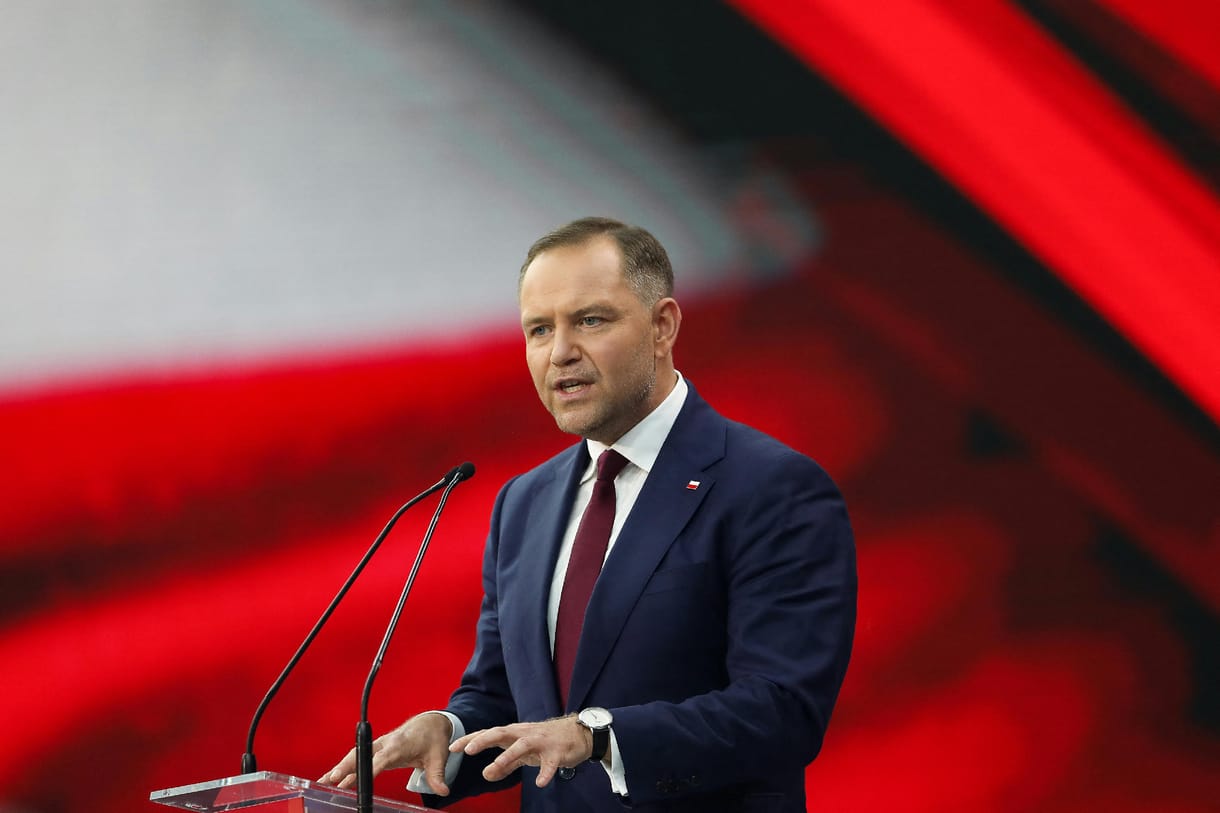
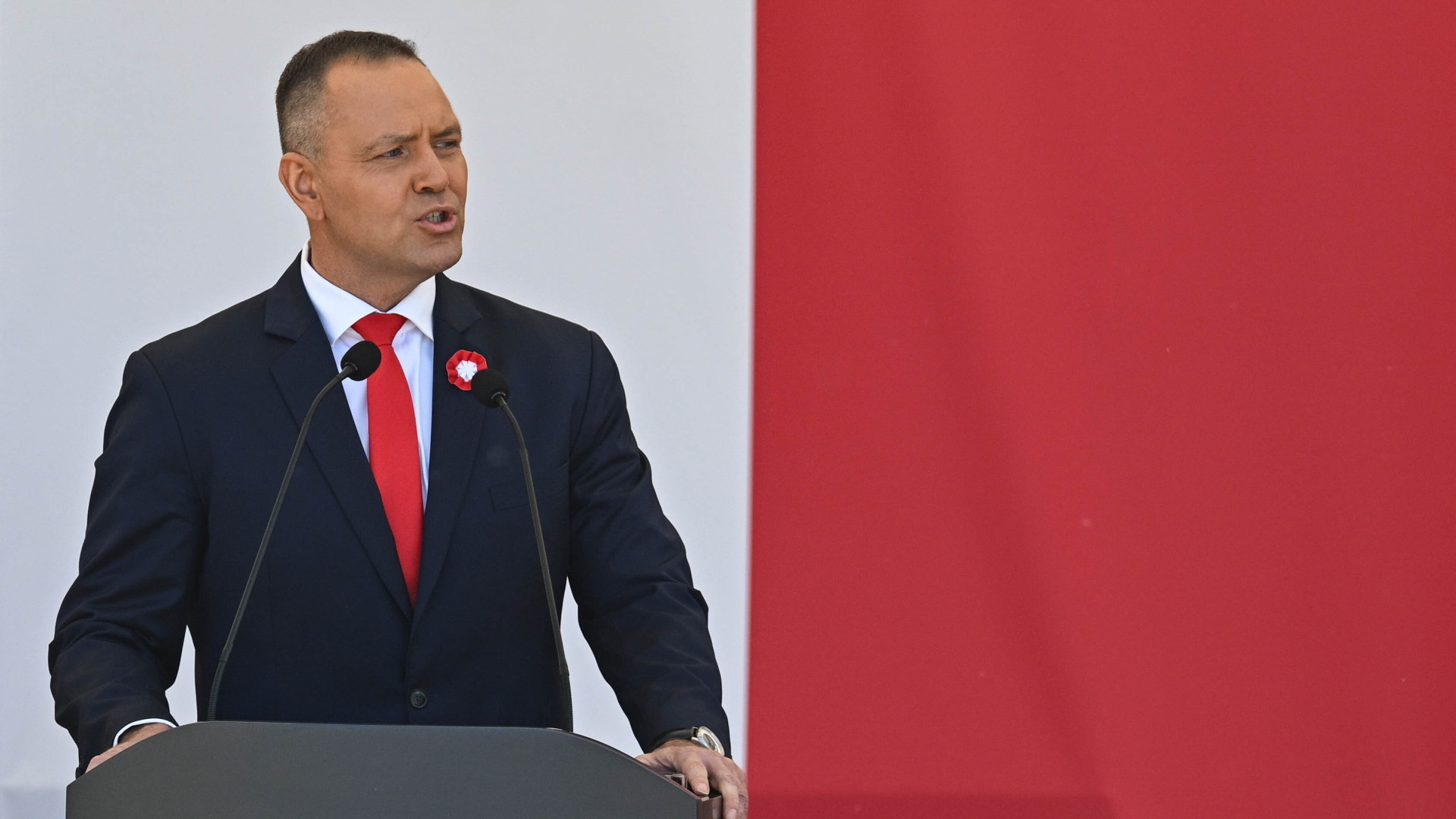
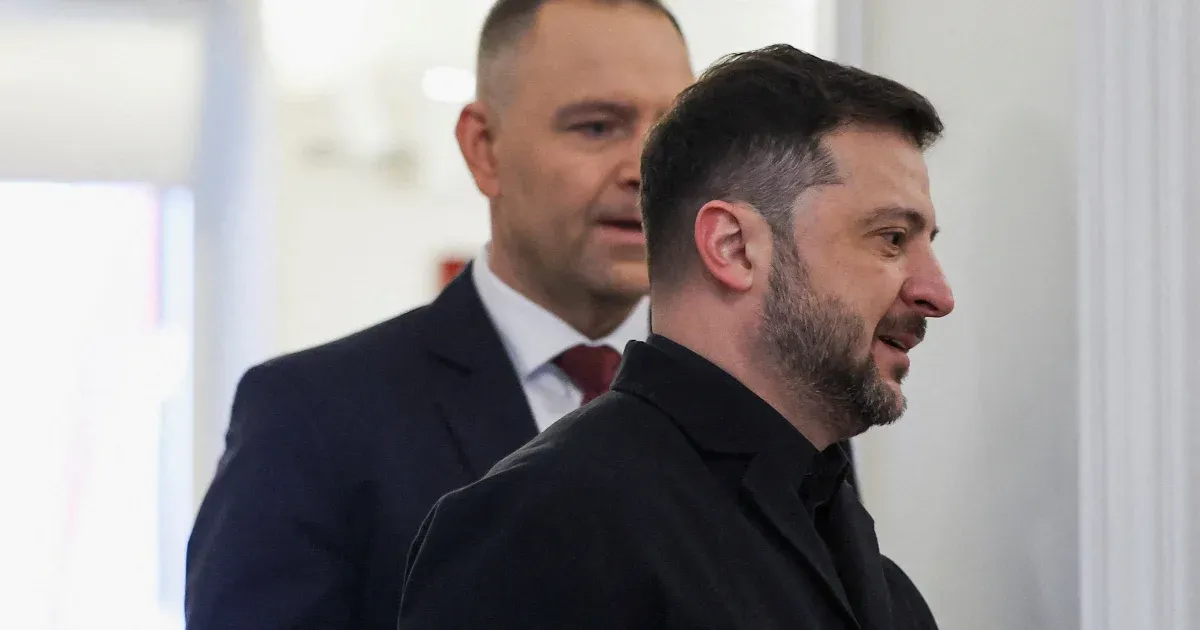
Poland’s president, Karol Nawrocki, has stripped Ukrainian President Volodymyr Zelenskyj of the country’s highest state honor, the White Eagle Order, after Zelenskyj named a military unit after the Ukrainian Insurgent Army (UPA), a group accused of ethnic cleansing against Poles during World War II. The move marks a dramatic escalation in bilateral tensions, with Warsaw’s decision framed as a response to what it calls a “dramatic re-evaluation” of historical memory by Kyiv.
Why the UPA Controversy Sparked a Diplomatic Crisis
The conflict centers on the UPA, a nationalist militia that fought Soviet and Nazi forces during World War II. While Ukraine honors the group as a symbol of resistance against Soviet occupation, Poland views it as responsible for the 1943 Volhynian massacres, in which tens of thousands of Poles were killed. Zelenskyj’s decision in late May to rename a special forces unit “UPA Heroes” triggered outrage in Warsaw, where the UPA is associated with ethnic cleansing rather than anti-Soviet struggle.
According to Telex.hu, Nawrocki announced the revocation of Zelenskyj’s 2023 award via a post on X, calling the UPA “responsible for brutal crimes against Polish citizens.” The decision follows months of escalating rhetoric from Warsaw, where nationalists have increasingly framed Ukraine’s historical narrative as a threat to Polish sovereignty.
Ukraine’s Foreign Minister, Andriy Yermak, dismissed the revocation as a “strategic mistake” that benefits Moscow, while Portfolio.hu reported that Kyiv immediately reciprocated by returning a Polish military decoration to Warsaw. The exchange underscores how deeply historical grievances have poisoned relations, even as both nations remain critical allies against Russia’s invasion.
Photo: | hvg.hu
The Historical Backdrop: Volhynia and the Unresolved Past
The Volhynian massacres of 1943 remain one of Europe’s most contentious historical flashpoints. Polish estimates place deaths at up to 100,000, while Ukrainian officials acknowledge “tens of thousands” of victims but reject the term “genocide,” as declared by Poland’s parliament in 2016. The Hungarian news outlet HVG notes that July 11—the anniversary of the massacres—has been designated “Bloody Sunday” in Poland, further embedding the issue in national memory.
Ukraine argues that the UPA’s actions were part of a broader anti-Soviet resistance, not a targeted campaign against Poles. However, Nawrocki’s decision reflects a hardening stance among Poland’s nationalist factions, who see Zelenskyj’s move as a deliberate provocation. As 444.hu observes, the timing is particularly sensitive: Poland is currently a linchpin for Western military aid to Ukraine, hosting key transit routes for weapons and supplies.
Photo: Portfolio.hu
What This Means for Ukraine’s EU Aspirations
Nawrocki’s move carries broader implications for Ukraine’s European ambitions. In his announcement, he tied the revocation to Kyiv’s failure to confront its “difficult chapters” of history, warning that such issues must be resolved before Ukraine can join the EU. The Népszava reports that Polish public opinion has soured on Ukraine, with a recent poll showing 52% of Poles viewing the country unfavorably—a sharp decline since the war began.
The EU’s recent opening of accession talks with Ukraine adds pressure on Kyiv to address historical sensitivities. Yet, as Portfolio.hu highlights, Nawrocki’s action risks alienating Ukraine at a time when Warsaw’s support is indispensable. The Polish president has insisted that the revocation does not undermine military aid, but the symbolic damage is undeniable.
Poland to Strip Zelensky of Highest State Honor Over WWII Dispute | APT
Reactions: From Warsaw to Kyiv—and Beyond
The fallout has split Poland’s political spectrum. Former president Lech Wałęsa, a longtime advocate for Ukraine, condemned Zelenskyj’s decision but stopped short of supporting the revocation. Meanwhile, far-right figures like Krzysztof Bosak of the Confederation party have called for cutting Starlink funding to Ukraine and blocking its EU bid until the UPA controversy is resolved.
In Kyiv, officials have framed the crisis as a Russian-backed provocation. Ukrainian Foreign Minister Dmytro Kuleba told reporters that the revocation was “a gift to Moscow,” while Zelenskyj’s office dismissed the historical debate as a distraction from the war effort. However, as 444.hu notes, the incident has also exposed deeper divisions within Ukraine’s own historical narrative, where figures like Stepan Bandera—linked to both anti-Soviet resistance and wartime atrocities—remain deeply polarizing.
The Next 30 Days: What Comes Next?
With tensions at a post-war low, the immediate question is whether this crisis will derail Poland’s role as Ukraine’s logistical lifeline. Warsaw has pledged to maintain military support, but the symbolic breach could embolden other EU members to adopt harder lines on Ukraine’s accession. Meanwhile, Kyiv faces a delicate balancing act: appeasing Polish sensitivities without appearing to bow to historical revisionism.
One wild card is the upcoming EU summit, where Ukraine’s progress will be closely scrutinized. If Poland’s stance hardens further, it could force Brussels to take a more critical view of Kyiv’s reforms—potentially delaying membership talks. For now, both sides are walking a tightrope: too much concession risks alienating domestic hardliners, while escalation could undermine their shared front against Russia.
What is clear is that this dispute is not just about history—it’s about power. Poland’s decision to revoke Zelenskyj’s award sends a message: Ukraine’s path to Europe depends on its willingness to engage with painful truths. For Kyiv, the challenge is whether it can reconcile its nationalist narrative with the demands of its Western allies.
ail: emily.johnson@headlinez.news
Bio:
Emily Johnson serves as News Editor at Headlinez.News, overseeing the publication’s coverage of national and breaking stories. She has worked in journalism for more than 12 years, building a reputation for precision, credibility, and rapid-response reporting. Emily’s editorial philosophy focuses on clear, fact-based writing that helps readers understand the full context behind the day’s most important events. Her expertise bridges traditional reporting and modern digital news strategies.
Expertise: Breaking news, political reporting, fact-checking, newsroom coordination, public affairs.
Location: Washington, D.C., USA