
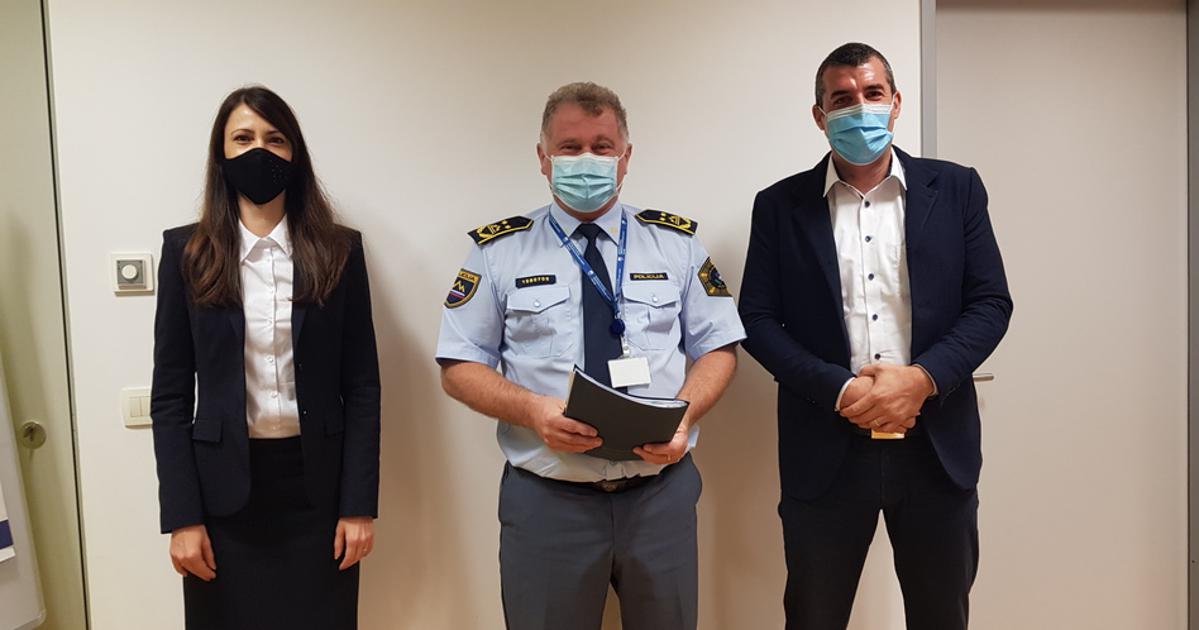
A Slovenian controversy over leaked internal communications has escalated after the head of the National Investigation Office (NPU), Petra Grah Lazar, confirmed she sent a text message in 2020 to then-Director of the Defense Agency (DARS) Valentin Hajdinjak—now Slovenia’s defense minister—informing him about a pending criminal complaint against a fellow ruling party member. The message, uncovered during a 2024 raid on Hajdinjak’s office linked to the DARS corruption probe, has reignited questions about political interference in judicial proceedings.
What the Text Message Revealed—and Why It Matters
The SMS, sent shortly after Grah Lazar took over NPU in October 2020, stated she had “no choice but to sign the criminal complaint” against Matej Tonin, a former leader of the ruling New Slovenia party (NSi), due to an alleged abuse of parliamentary oversight powers. According to Zurnal24, the message was discovered during a 2024 police raid on Hajdinjak’s residence as part of the DARS corruption investigation. Hajdinjak, now defense minister, has not publicly commented on the content.

Grah Lazar has denied any wrongdoing, stating in a statement to POP TV that the complaint was “already drafted and could not be stopped.” She explicitly rejected claims she had interfered in the investigation, insisting, “I never interfered in the proceedings and always followed the prosecutor’s guidance.” The Specialized State Prosecutor’s Office (SDT) confirmed to RTV Slovenija that it had investigated her for alleged disclosure of confidential information and abuse of office—but ultimately dismissed the case, ruling the SMS did not constitute either offense.
“I never interfered in the proceedings and always followed the prosecutor’s guidance. The claim that I sent an SMS stating I had to sign the complaint because it was already drafted and could not be stopped is false.”
— Petra Grah Lazar, via POP TV
The Political Context: A Text That Resurfaced in a Corruption Probe
The timing of the SMS’s discovery is politically explosive. Hajdinjak, who received the message as DARS director, now serves as defense minister in the same Janša-led coalition government that appointed Grah Lazar to her current role as head of the interior minister’s cabinet. The text emerged during a 2024 raid linked to the DARS corruption case, which has already ensnared multiple NSi officials in allegations of misusing public funds.
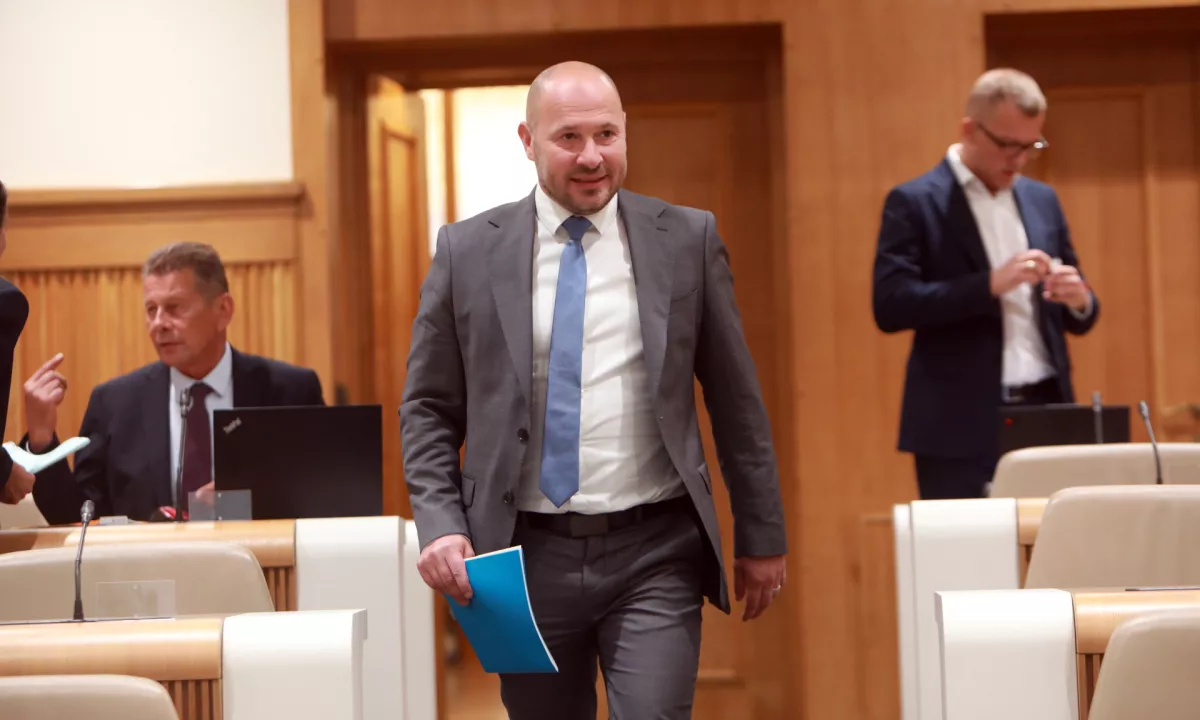
Analysts note the message’s content—informing a party colleague about an ongoing investigation—raises ethical questions, even if legally it was deemed non-actionable. “The SMS itself may not have violated the law, but the optics are damaging,” said security expert Tomaž Čas to RTV Slovenija. “While no criminal charges were filed, the act of sharing such information with someone outside the legal process—especially a party ally—undermines public trust in the NPU’s independence.”
How the Story Unfolded: A Timeline of the Controversy
- October 2020: Petra Grah Lazar becomes NPU director under the third Janša government. Within weeks, she sends the SMS to Valentin Hajdinjak about the Tonin complaint.
- 2021: Grah Lazar faces separate allegations of tipping off business figures about upcoming raids, which she denies.
- June 2024: Police raid Hajdinjak’s residence as part of the DARS corruption probe, uncovering the SMS.
- June 2026: Televizija Slovenija and other outlets break the story, prompting Grah Lazar’s public denial and SDT’s confirmation of the dismissed investigation.
The timeline reveals a pattern: Grah Lazar’s tenure at NPU was marked by controversies over perceived political favoritism. In 2021, she was accused of warning business figures like Rok Snežič about impending raids—a claim she denied. The current SMS scandal, however, is the first time such a communication has been tied directly to a ruling-party official.
Reactions: From Ministerial Support to Political Criticism
Interior Minister Franci Matoz has defended Grah Lazar, stating she enjoys his “full trust” as long as she performs her duties “legally, professionally, and effectively.” His statement to 24ur contrasts with criticism from opposition figures. Robert Golob, leader of the Freedom Movement, accused the government of using legalistic defenses to obscure its own misconduct, telling Zurnal24: “Those who claim to be the most vocal defenders of the rule of law and the fight against corruption are now trying to sweep their own missteps under the rug.”
What Happens Next: Legal and Political Fallout
The immediate legal risk for Grah Lazar appears low—the SDT’s dismissal of the case is final. However, the political repercussions could linger. As head of Matoz’s cabinet, Grah Lazar will have access to classified information, raising questions about her suitability given the SMS controversy. Security expert Čas told RTV Slovenija he does not expect her security clearance to be revoked, but the episode will likely fuel debates about NPU’s independence.

For Hajdinjak, the defense minister, the fallout may be more immediate. His role in receiving the SMS—while he was DARS director—could resurface in ongoing corruption probes, particularly if investigators scrutinize his communications during that period. The NSi party, already under pressure from multiple scandals, may face renewed calls for transparency.
The story also underscores a broader trend: in Slovenia’s polarized political climate, even legally dismissed controversies can reshape reputations. Grah Lazar’s case highlights how digital communications—once sent in haste—can resurface years later, turning routine administrative acts into political bombshells.
Key Questions Remain Unanswered
- Why was the SMS never disclosed earlier? The message was stored on Hajdinjak’s phone for years before surfacing in 2024. Dnevnik notes the delay suggests it was not a priority for investigators until the DARS probe expanded.
- Did Hajdinjak act on the information? There is no public evidence he did, but the timing—sent shortly after Grah Lazar took over NPU—raises suspicions about whether the message influenced internal decisions.
- Will this damage Grah Lazar’s career? Matoz’s public support suggests not, but her access to classified material in her new role could become a liability if further controversies emerge.
The SMS controversy is the latest chapter in a saga that has tested Slovenia’s institutions. For now, the legal system has spoken—but the political reverberations may take years to fade.
Find more reporting in our News section.
